 Go Back

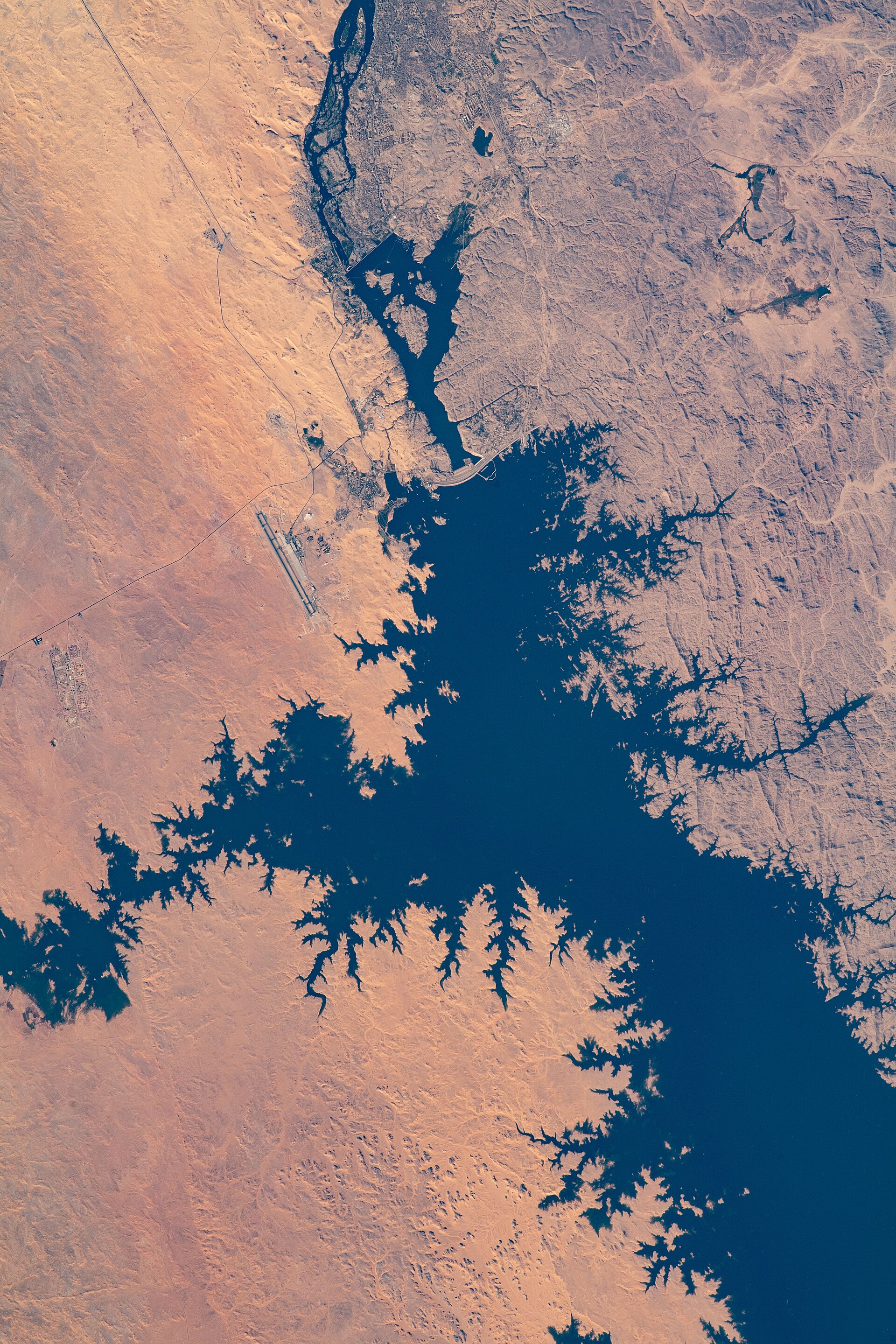
Economic projects connect political power to the practical needs of communities. Waterworks, roads, ports, and canals can make farming more secure and trade less costly, but construction alone does not explain their historical importance. Each project requires labour, resources, decisions about access, and continued maintenance. Benefits and burdens may fall on different people. Ancient irrigation, Roman roads, and the Suez Canal, which opened in 1869, illustrate different forms of this relationship. They show how infrastructure could support settlement and exchange while also strengthening rulers, serving armies, creating debt, or increasing foreign influence.
In the Nile valley, agriculture depended on the river and on the organization of water and land. Canals and embankments helped communities direct water toward fields. Their usefulness depended on repeated work, not on a single act of construction by a celebrated ruler. Connections between the Nile and the Red Sea were attempted at different times in antiquity, creating opportunities for movement between inland Egypt and maritime routes. These earlier waterways were not identical to the nineteenth-century Suez Canal. Distinguishing their routes, dates, and purposes prevents a long history of changing works from becoming the misleading story of one unchanged canal.
Qanats offered a different response to dry conditions. A gently sloping underground tunnel carried groundwater from an elevated source toward cultivated land and settlements. Vertical shafts gave workers access during construction and maintenance. Gravity moved the water without a mechanical pump. Qanats are closely associated with ancient Persia, although scholars debate their earliest development and the routes by which the technology spread. Their value lay in the combination of knowledge and organization: builders had to locate water, maintain the correct gradient, and keep passages usable. A poorly maintained tunnel could undermine the livelihood of the settlement it supplied.
Roman roads joined military and economic purposes. The Appian Way, begun in 312 BCE, connected Rome with southern Italy and became part of a much larger network. Roads helped armies and officials move, but they also carried travellers, messages, and goods. Their effect depended on bridges, drainage, stopping places, and security, as well as the road surface. Building and repairing them required resources drawn from the territories Rome controlled. A road could improve local connections while also making imperial taxation and military intervention easier. Infrastructure was therefore an instrument of rule as well as exchange.
The routes commonly called the Silk Road linked many regional networks rather than forming one road built by one government. Merchants, caravan communities, towns, and rulers helped sustain movement across Asia and toward the Mediterranean. Sea routes joined these overland exchanges. Water supplies, passes, ports, and places to rest mattered as much as the demand for luxury goods. Products were often passed between several groups rather than carried from one end of Eurasia to the other by a single traveller. These networks also transmitted skills, ideas, and diseases, showing that the effects of economic connections extended far beyond the goods recorded in trade.
The Suez Canal created a direct sea passage between the Mediterranean and the Red Sea. Construction began in 1859, and the canal opened in November 1869. Unlike canals that climb between different water levels, it operated as a sea-level passage without locks. It shortened the journey between European ports and the Indian Ocean by avoiding the voyage around southern Africa. Yet its construction involved difficult labour and major financial commitments. The canal's history belongs to Egyptian and global history together: it changed shipping routes while tying Egyptian finances and territory more closely to the interests of international investors and powerful states.
The Egyptian government sold its canal-company shares to Britain in 1875 amid financial pressure. Debt and European intervention then became increasingly important in Egyptian politics, and Britain occupied Egypt in 1882. The canal did not cause every part of that crisis, but its strategic value made control of Egypt especially important to Britain. Comparing it with qanats and Roman roads shows why economic history must ask more than whether a structure worked. Who supplied the labour? Who financed it? Who controlled access and collected revenue? Through 1924, these questions reveal the relationship between useful engineering, unequal power, and the political consequences of development.
 Britannica: Suez Canal
Britannica: Appian Way
 World History Encyclopedia: Qanat
Britannica: Silk Road