 Go Back

Political Life Across Civilizations. Every civilization had to answer the same questions: who rules, who advises, who judges, and who enforces. Pharaonic Egypt answered with one of the longest-lived centralized monarchies in history. The king stood at the top as the living guarantee of order, and beneath him the vizier headed the administration as chief justice, head of the treasury, and overseer of all records. Scribes recorded everything, because a state that could not count its grain could not govern it, while governors called nomarchs administered the provinces. Justice was local and practical, settled by councils of elders and officials rather than by professional lawyers.
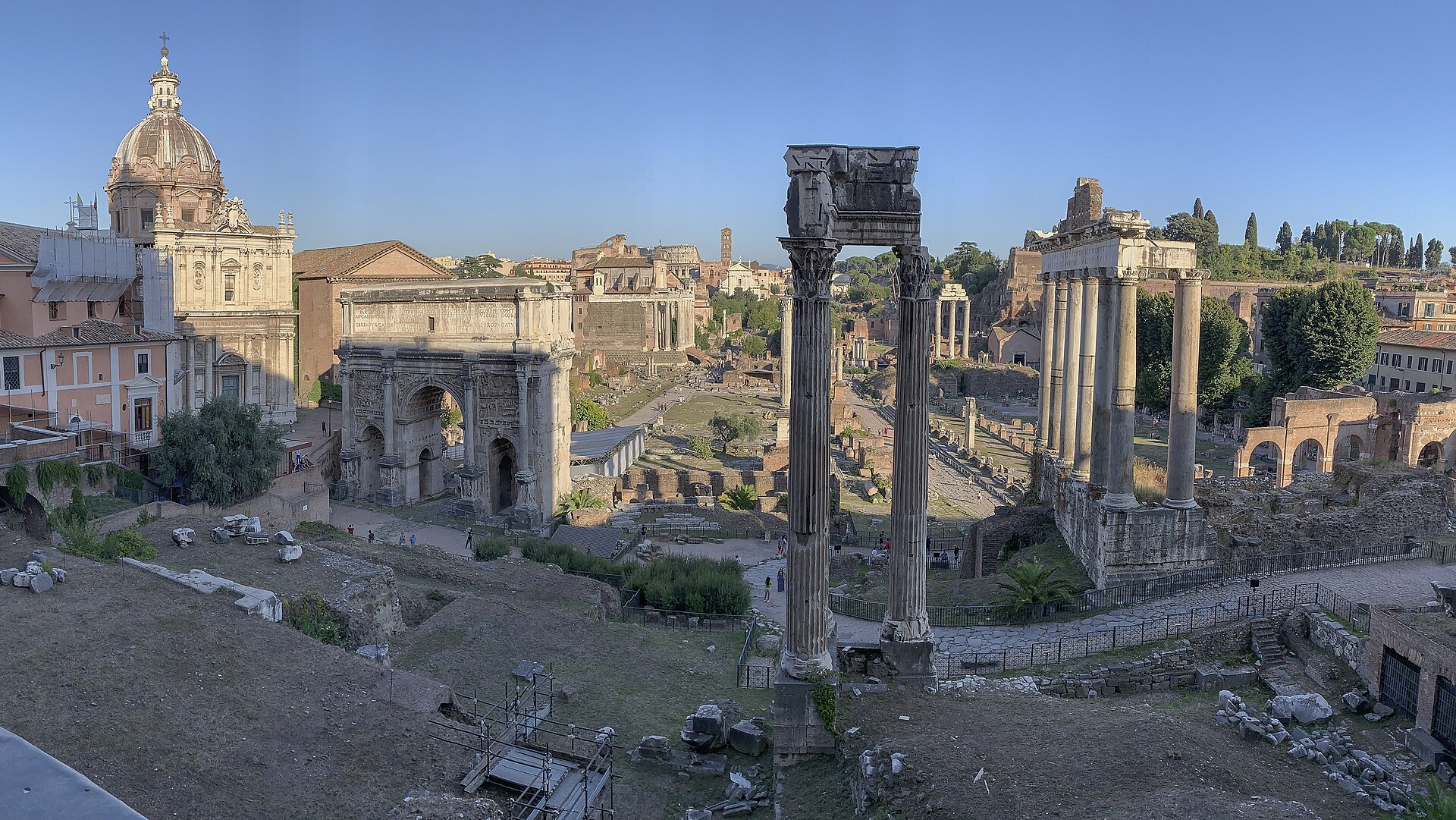
The Greeks invented a radically different answer. Athens, after reforms by Solon, Cleisthenes, and Pericles, was governed by its citizens directly: the Assembly of all adult male citizens voted on war, peace, and laws; a Council of Five Hundred, chosen by lot, prepared business; and huge citizen juries decided court cases. Sparta chose the opposite model, two hereditary kings watched by overseers called ephors and a council of elders, with the whole society organized for military discipline. Rome blended monarchy, aristocracy, and democracy into a republic: two consuls elected yearly held executive power, the Senate of former officials guided policy, and assemblies of citizens passed laws and elected magistrates. When the republic became an empire, one man, the emperor, held these powers together, ruling the provinces through appointed governors.
Islamic civilization developed its own institutions as the caliphate grew from Medina into a world power. The caliph combined political and religious leadership; the vizier emerged under the Abbasids as the head of administration; and the state was organized into diwans, government departments for the army, taxation, and official correspondence, a paperwork empire run from Baghdad. Justice had its own lasting institution: the qadi, the judge, applied the law in open court, and the office spread with Islam from Spain to India. Each system fitted its society, and each left something behind: Egypt's centralized administration, Athens' citizen assembly, Rome's written law, and the Islamic world's qadi courts all still echo in modern government.
The sharpest test of any political system is a crisis, and history preserves remarkable case studies of leaders making decisions under pressure. At Megiddo around 1457 BC, Thutmose III of Egypt faced a coalition of Canaanite kings blocking his road into Asia. The king chose a narrow, dangerous pass through the hills, the route his enemies least expected, caught them unprepared, and broke their army in a single day; the city of Megiddo held out under siege for months more, but Canaan and the road to empire were his. The account of it carved on the walls of his temple at Karnak is one of the oldest detailed battle records in the world. Centuries earlier, Hammurabi of Babylon had answered a different kind of challenge: he gathered the laws of his kingdom into one code, carved on a stone stele, making law itself an act of government.
Alexander the Great decided battles by speed, moving before his enemies believed an army could move. The Quran's account of Joseph shows another model entirely: foreseeing seven years of famine after seven of plenty, he stored Egypt's surplus grain in the good years and distributed it in the bad, turning an economic catastrophe into a managed crisis: a story about planning ahead. In 629 CE, at the battle of Mu'ta, Khalid ibn al-Walid took command of the badly outnumbered Muslim force after its three leaders had fallen; rather than be destroyed, he reorganized the army, fought a skillful retreat, and saved the rest of the force, bringing it back to Medina.
Perhaps the boldest crisis decision came in November 1249, when Sultan al-Salih Ayyub died with the Seventh Crusade already ashore at Damietta and pushing toward Cairo. His wife, Shajar al-Durr, concealed his death, ran the government in his name, signed orders and even had meals carried to his tent as if he lived, holding the state together until the Crusader advance broke down at Al-Mansurah and King Louis IX of France was captured with his retreating army near Fariskur weeks later. She then ruled as sultana in her own right. Across these cases the pattern repeats: leaders who prevail gather information, decide, and carry their people with them. Political life, in every civilization, is where a society's character becomes visible.
 Britannica: Pharaoh
Britannica: Code of Hammurabi
Britannica: Thutmose III
Britannica: Khalid ibn al Walid
 World History Encyclopedia: Athenian Democracy
World History Encyclopedia: Sparta
World History Encyclopedia: Sparta
World History Encyclopedia: Sparta
World History Encyclopedia: Sparta
World History Encyclopedia: Sparta
World History Encyclopedia: Sparta