 Go Back

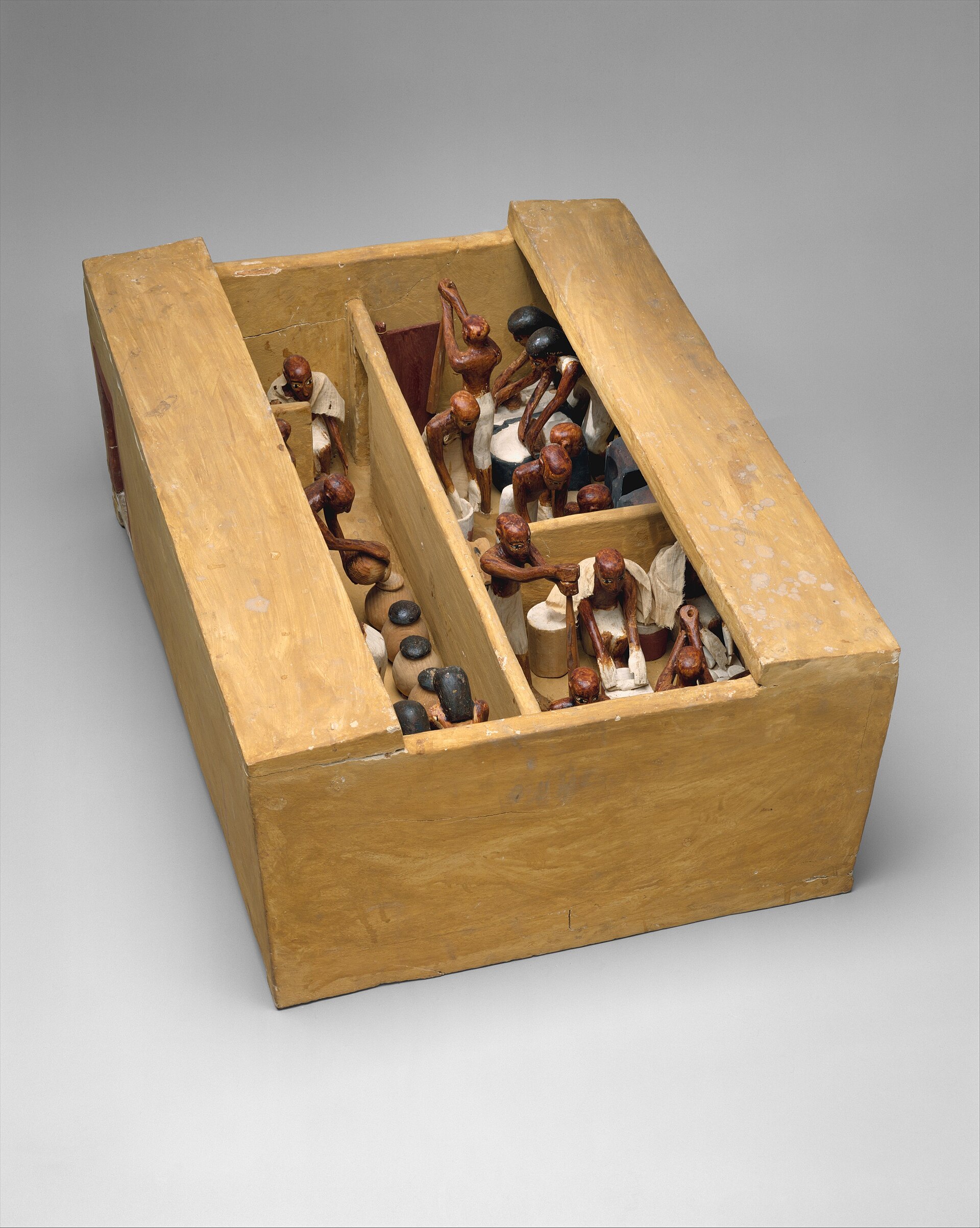
Social Life Across Civilizations. Underneath the kings and battles, every civilization was a society of ordinary people arranged in layers, and the layers tell us who did the work and who enjoyed the wealth. Pharaonic Egypt was a steep pyramid: the king and his court at the top, then priests and high officials, then the scribes whose literacy opened every door, then craftsmen and merchants, and at the base the great mass of peasant farmers who paid for everything with their grain and labor. Ancient Iraq divided its people legally into free men, commoners, and slaves, with different penalties in Hammurabi's code for each.
Greek city-states drew a sharp line between citizens and everyone else. In Athens, citizens voted and held office, resident foreigners called metics traded and paid taxes but could never vote, and slaves did much of the mining and domestic work; in Sparta the entire citizen class lived off the labor of the helots, state-owned serfs bound to the land. Rome's republic was long dominated by a contest between the patrician families and the plebeian majority, who won their rights by threatening to walk out of the city altogether. Roman slavery was vast, but Rome also freed slaves in large numbers, and freedmen could become rich and powerful. Islamic society was organized around the community of believers, the umma, with protected status for Jews and Christians as people of the book; it also produced a striking ladder of mobility, the mamluks, slave soldiers who rose to become generals and then sultans of Egypt.
Family was the foundation everywhere, and marriages were alliances as much as love matches. Egyptians married young, girls around twelve and boys around fifteen, usually in matches arranged by their parents; Egyptian women could own property, make contracts, and run businesses, rights unusual in the ancient world. Greek women of the upper classes were expected to stay out of the public eye, while Spartan women, who could own and inherit property, were famously outspoken. In Rome, women could own property and dispose of it as they saw fit, and aristocratic women managed large households; Islamic law guaranteed women inheritance and property in their own names.
Daily life had its own pleasures. Egyptians played senet, a board game found in tombs from one end of their history to the other, wrestled, raced, and told stories for entertainment. The Greeks turned play into festival: the Olympic games and local contests across the Greek world honored the gods through sport, and Athens staged theater festivals like the Dionysia, with days of tragedies and comedies performed in the Theatre of Dionysus. Romans filled their calendar with public games, races, and shows, and Iraq's cities celebrated the New Year festival when the statues of the gods processed through the streets.
The festivals reveal what each society valued. Egypt's Opet festival carried the god Amun in procession from Karnak to Luxor in a celebration of renewal; Athens' Panathenaea wound up the Acropolis in the procession carved on the Parthenon; Rome's Saturnalia reversed the social order for a week, masters serving slaves. Houses tell the same story at smaller scale: Egyptian homes of mud brick, Roman apartment blocks and country villas, and the inward-looking courtyard houses of Islamic cities.
And sometimes a woman held the whole structure of power herself. Hatshepsut ruled Egypt as pharaoh for twenty years, not as a regent but as king. Zenobia of Palmyra seized Egypt and much of Asia Minor and declared independence from Rome. Bilqis, the Queen of Sheba, is remembered across the region's scriptures and traditions for her fabled visit to Solomon's court. Shajar al-Durr concealed a sultan's death, steered Egypt through the defeat of a crusader invasion, and sat on Egypt's throne. These were exceptions, but the exceptions prove that the social order, however rigid, was human, and could be bent by extraordinary ability.
 Britannica: Hatshepsut
Britannica: Zenobia
 World History Encyclopedia: Egyptian Society
World History Encyclopedia: Games, Sports & Recreation in Ancient Egypt