 Go Back

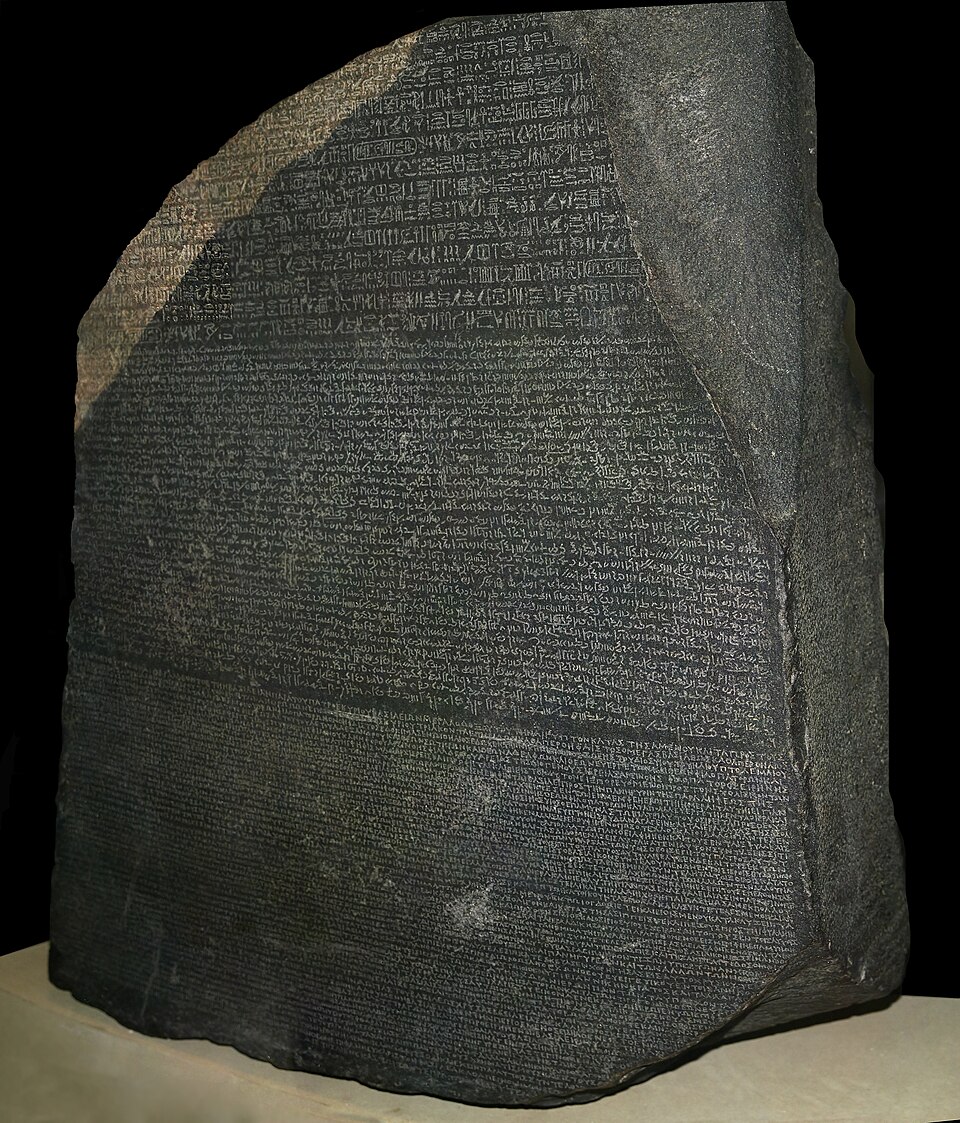
The Study of History & the Rise of Civilizations. History is the study of the human past through evidence. Historians do not simply memorize dates; they ask how we know what happened, and they test claims against sources. The raw material of history comes in several kinds. Written sources include inscriptions on stone and clay, letters, tax records, law codes, king lists, and chronicles. Material sources come from archaeology: buildings, tools, pottery, weapons, jewelry, and even seeds and bones that reveal what people grew and ate. Oral traditions, such as epics sung for generations before being written down, preserve memory but must be read with care, because they mix real events with legend. A careful historian compares sources against each other.
When an Assyrian king boasts that he destroyed a city, and archaeologists find a burned layer in that city's ruins dated to the right years, the two sources confirm each other. When sources disagree, historians ask who wrote each one, when, and why, because every author had a purpose. To organize the past, historians divide time into periods. Prehistory is the long span before writing; history in the strict sense begins when people start keeping written records, which happened first in Sumer and Egypt around 3200-3000 BC. Events are dated BC (Before Christ) or AD (Anno Domini), and modern scholars often use BCE and CE, which count the same years. Timelines let us see which societies existed at the same time: the pyramids of Giza were already ancient when Abraham lived, and Athens was building the Parthenon while Japan was still in its age of rice-farming villages.
A civilization is a complex way of organizing human life, and this course traces four of them: Egypt, Iraq (Mesopotamia), Greece, and Japan. Civilizations share common features, and understanding these features explains why they appeared where they did. The first requirement is a food surplus. When farming produces more grain than farmers themselves eat, some people are freed to become potters, priests, soldiers, scribes, and kings. This is why the earliest civilizations rose along great rivers: the Nile in Egypt, and the Tigris and Euphrates in Iraq, where floodwater made dry land fertile. The second feature is cities, dense settlements where specialization and trade could flourish. The third is government: leaders who organize labor, collect taxes, enforce laws, and lead armies. The fourth is writing, invented first to record grain deliveries and debts, then used for laws, letters, literature, and history itself.
The fifth is organized religion, which explained the world, justified rulers, and bound communities together through shared rituals and temples. Finally come monumental building and specialized art, from pyramids and ziggurats to temples and sculpture, which displayed a society's wealth and beliefs. Civilizations also interact. Mesopotamia and Egypt traded with each other through the Levant; Greece learned writing from the Phoenicians and mathematics from Egypt and Babylon; Japan deliberately imported writing, Buddhism, and government models from China and Korea. No civilization developed in isolation, and no civilization lasts forever: each unit of this course follows its society from rise, through achievement, to decline, and asks what later peoples learned from it. The course also asks why civilizations rise and decline, and the rivers are only the beginning of the answer.
Egypt was protected by deserts and sea, which let one kingdom endure for three thousand years; Iraq's open plain made it rich and invaded in turn by Sumerians, Akkadians, Babylonians, Assyrians, Persians, Greeks, Arabs, and Mongols, so that its history is a story of successive empires; Greece, cut into valleys and islands by mountains, never unified but produced fiercely independent city-states whose rivalry drove both war and creativity; Japan, an island chain protected by the sea yet close enough to learn from China, could choose when to open and when to close, a freedom Egypt and Iraq never had. Geography is not destiny, but it sets the terms on which peoples make their history.
The other great lesson is that civilizations decline from within as much as from without: empires fall when taxes crush the peasants, when elites fight for power, when armies become kingmakers, or when the center can no longer maintain the canals, roads, and trust on which everything rests. Students who learn to see these patterns in Sumer, Egypt, Greece, and Japan are learning to read their own world. Writing itself deserves a place among the marks of civilization, because it changed what humans can remember and therefore what they can build. Before writing, knowledge died with the elders; after it, laws, observations, stories, and accounts accumulated beyond any single memory, and societies could administer kingdoms too large for any king to see.
It is no accident that the first scripts, Sumerian cuneiform and Egyptian hieroglyphs, appeared within centuries of the first cities, or that the earliest texts are mostly lists of grain, labor, and goods: the state was writing's first customer. Only later did writing turn to literature, law, and history, the uses that let civilizations reflect on themselves. Students should also notice what civilization costs: monuments were raised by taxes and labor, cities bred disease and hierarchy, and the freedom of the scribe rested on the toil of the farmer. History honestly told includes both the pyramid and the hands that built it. That double vision, wonder at what humans achieved together and honesty about its price, is the habit this course tries to teach, because a civilization's story, like a student's, is measured not only by its glories but by what it learned.
 Britannica: Historiography
Britannica: Civilization
 World History Encyclopedia: Civilization
 Library of Congress: Getting started with primary sources