 Go Back

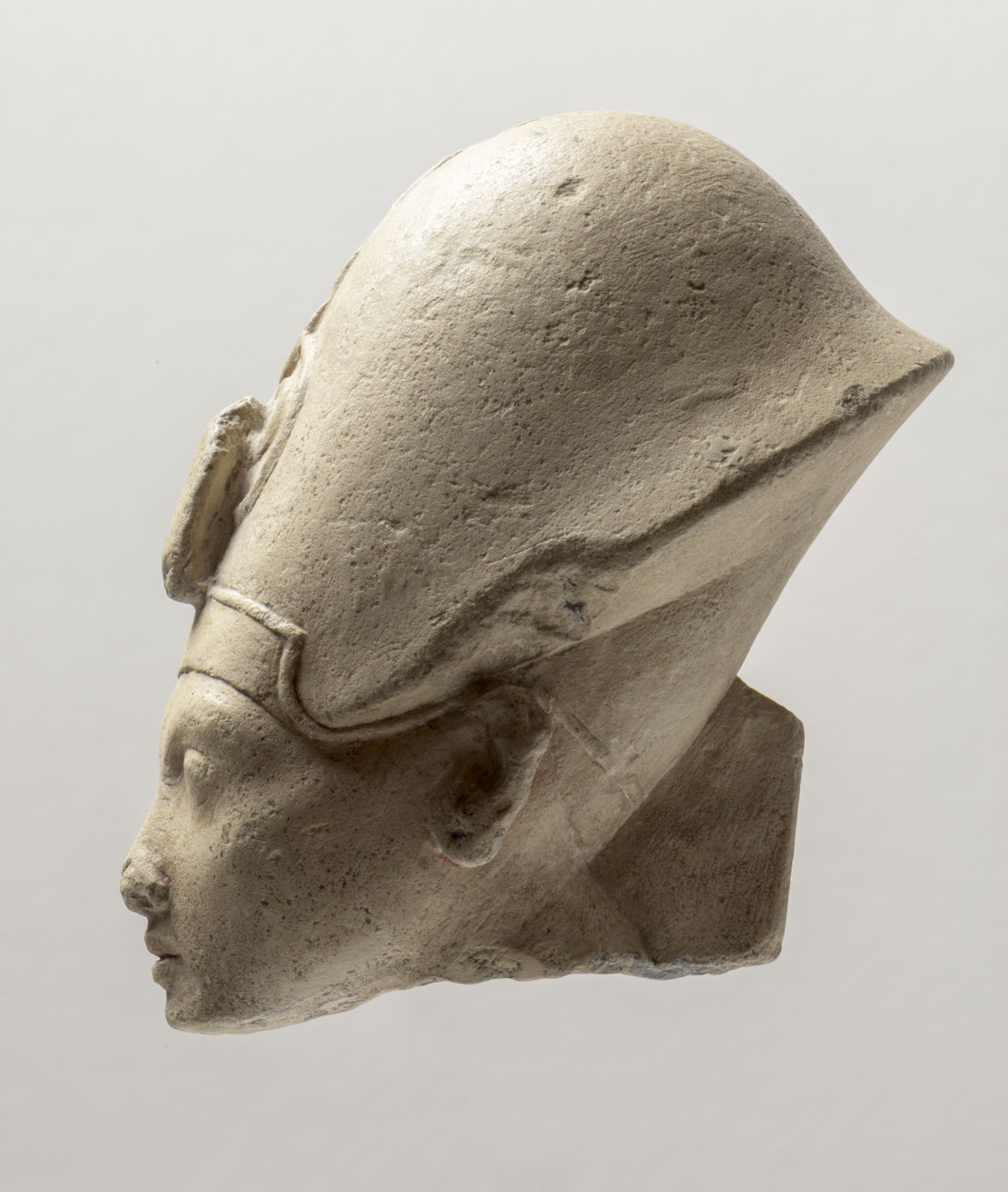
Akhenaten and the Amarna Period. The Amarna Period (c. 1353-1336 BC) was the brief and astonishing chapter of the Eighteenth Dynasty in which Pharaoh Amenhotep IV, who took the name Akhenaten, tried to remake Egyptian religion and art around a single god. In the early years of his reign he promoted the Aten, the visible disk of the sun, above the traditional gods, and in his fifth year he founded an entirely new capital, Akhetaten, known today as Amarna, on a virgin site in Middle Egypt.
Akhenaten's religious program grew steadily more radical. The Aten was worshipped in open-air temples filled with sunlight, praised in the Great Hymn to the Aten as the sole creator who sustains all lands. In the later part of the reign the king ordered the names of Amun and other gods chiseled out of monuments, closing their temples and redirecting their vast revenues to the Aten. Art changed just as dramatically: the so-called Amarna style showed the royal family with elongated faces, heavy hips, and intimate domestic scenes beneath the rays of the Aten, a striking break from the rigid conventions of earlier Egyptian art.
The period is unusually well documented because of the Amarna Letters, a cache of nearly four hundred clay tablets found at the site. These diplomatic letters, written in Akkadian, record exchanges between the Egyptian court and the kings of Babylon, Assyria, Mitanni, and the Hittites, as well as desperate appeals from Canaanite vassal rulers begging for troops. Scholars long blamed Akhenaten for neglecting the empire while rivals such as the Hittite king Suppiluliuma expanded, though modern research suggests the crown remained more active abroad than was once thought.
The revolution did not survive its founder. Akhenaten died around 1336 BC, and after the brief reigns of Smenkhkare and Neferneferuaten, the boy king Tutankhamun restored the old gods and abandoned Amarna. Under Horemheb and the early Nineteenth Dynasty, Akhenaten's monuments were torn down and his name erased from king lists. Yet the Amarna Period remains one of the most debated episodes in Egyptian history, studied as a unique experiment in monotheistic worship, royal propaganda, and artistic freedom.
 World History Encyclopedia: Akhenaten
World History Encyclopedia: Amarna Period of Egypt
 Metropolitan Museum of Art: Art and City under Akhenaten
 UCL Digital Egypt: The Amarna Period