 Go Back

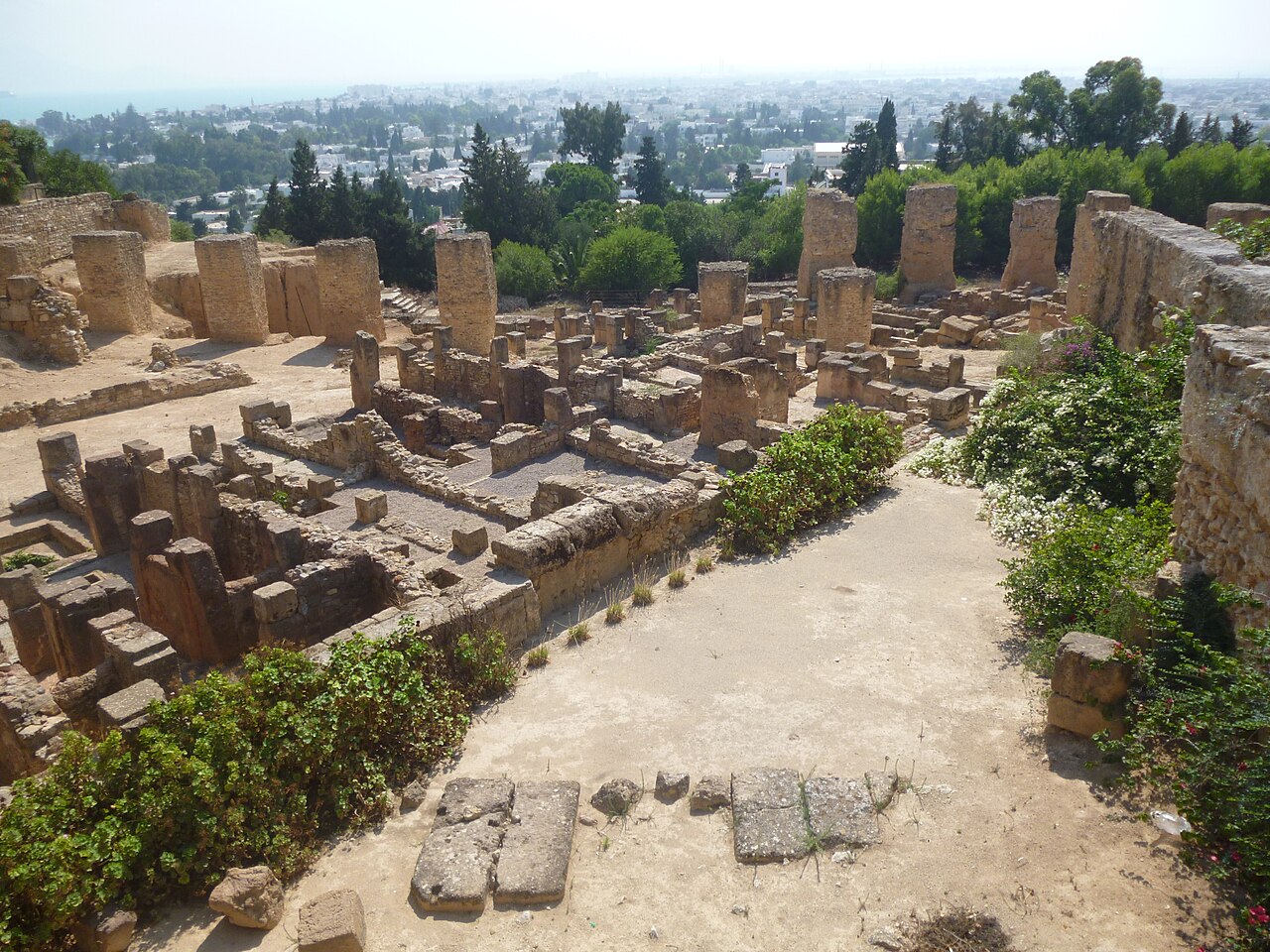
Carthage was a powerful ancient thalassocracy based in modern day Tunisia, founded as a Phoenician trading colony in 814 BCE. Occupying an exceptionally strategic position in the central Mediterranean, it transformed into an economic and military powerhouse that built a sprawling trade empire. Carthage is historically critical because it long dominated the maritime commerce of the western Mediterranean, establishing colonies across North Africa, Spain, and Sicily. They commanded legendary naval fleets and controlled the flow of precious metals, agricultural goods, and luxury items throughout the western world.
Carthage was governed not by kings but by elected magistrates called suffetes, advised by a senate of leading families and watched by a powerful court of a hundred and four judges; Aristotle, who knew the city by reputation, counted its constitution among the best designed of the ancient world. Its people lived in a crowded merchant metropolis of tall houses, workshops, and temples around the Byrsa hill, and its double harbor, one basin for traders and one for warships, held hundreds of docks where the fleets that ruled the western seas were built, supplied, and repaired.
This dominance brought them into a series of catastrophic conflicts with the expanding Roman Republic, known as the Punic Wars. Despite the genius of Hannibal Barca, who famously marched elephants over the Alps to inflict crushing defeats on Roman legions, Carthage could not match Rome's relentless manpower. The Third Punic War ended in 146 BCE with the total destruction of Carthage by Roman forces. The city was completely burned, its surviving citizens were sold into slavery, and its vast territories were absorbed into the Roman Empire.
The empire's wealth had come from farms as much as ships: Carthaginian writers like Mago produced the most respected agricultural manuals of their time, and the fields of North Africa fed the city and supplied its exports. Greek and Roman writers report that the Carthaginians sacrificed children to the gods Baal Hammon and Tanit in a precinct called the tophet; how literally to read those enemy accounts is still debated by archaeologists. Rome refounded the city about a century after the destruction, it grew again into one of the greatest cities of the Roman Empire, and the Punic language lingered in the African countryside for centuries.
 Britannica: Carthage
 World History Encyclopedia: Carthage
 Humanities LibreTexts: 3.2: Ancient Carthage
 UNESCO World Heritage Centre: Archaeological Site of Carthage