 Go Back

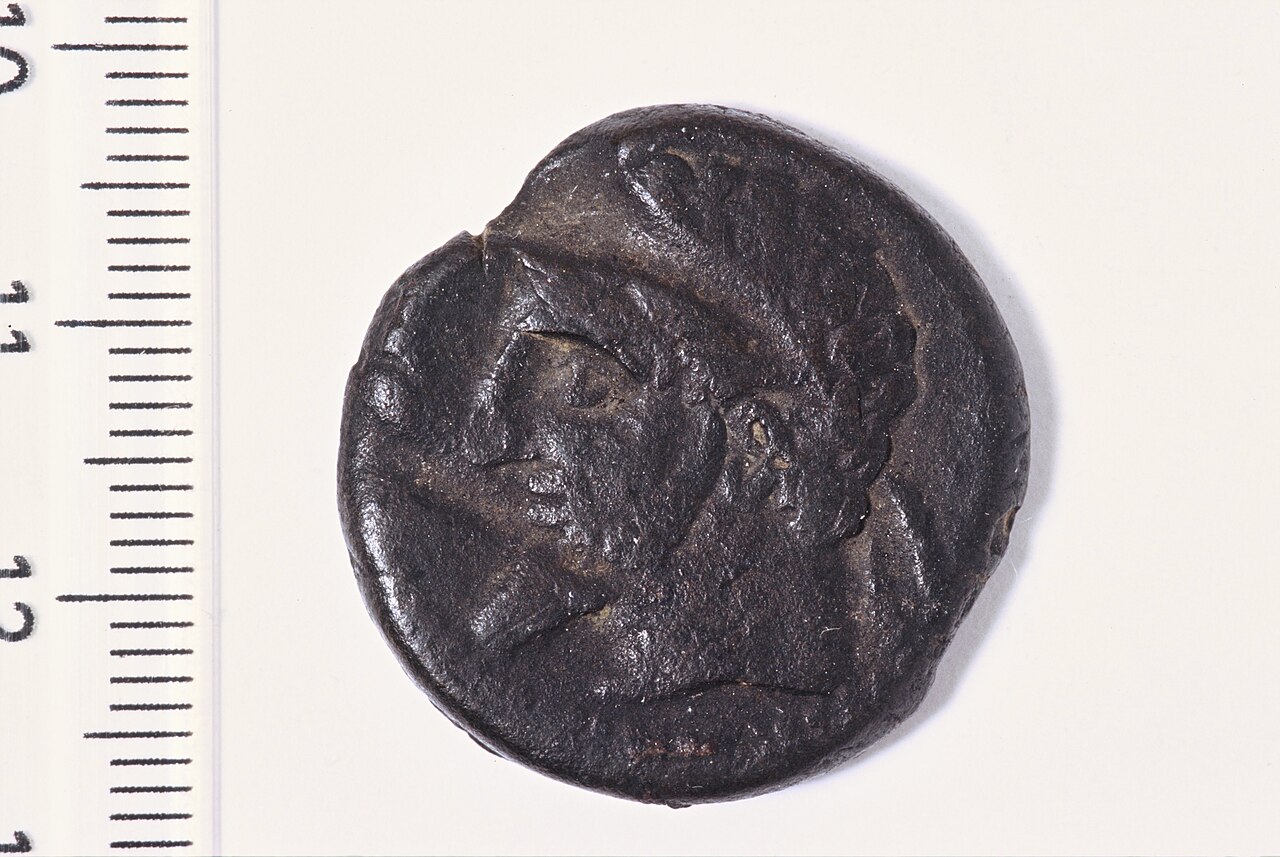
Numidia was an ancient Berber kingdom located in modern day Algeria and parts of Tunisia, flourishing from the 3rd century BCE until its annexation by Rome in 46 BCE. Originally composed of two semi-nomadic confederations, the kingdom was unified under King Masinissa following his strategic alliance with Rome during the Second Punic War.
The Numidians entered world history on horseback: divided between the Massylii of the east and the Masaesyli of the west, their matchless light cavalry fought first for Carthage and then, when the young prince Masinissa changed sides, for Rome. It was Masinissa's horsemen who helped the Roman general Scipio break Hannibal's army at Zama in 202 BCE, and a united Numidian kingdom under Roman favor was his reward.
Numidia is historically important because it proved to be an indispensable regional player in the western Mediterranean. Their legendary light cavalry was widely considered the finest in the ancient world, playing a decisive role in major battles across Europe and North Africa. Under Masinissa's long reign of more than half a century, Numidia rapidly transformed from a loose pastoral society into a settled, urbanized agricultural power whose grain surpluses were exported across the Mediterranean.
However, later dynastic struggles invited aggressive political and military interference from the Roman Senate. The famous Jugurthine War showcased widespread Roman corruption and deep Numidian tactical skill before King Jugurtha was betrayed by his own ally, the Mauretanian king Bocchus, captured, and executed in Rome. The kingdom was permanently broken up into smaller client states and eventually absorbed as a Roman province by Julius Caesar.
The end came through Rome's own civil wars: King Juba I of Numidia backed Pompey against Julius Caesar, and after Caesar crushed him at the battle of Thapsus in 46 BCE, the kingdom was annexed outright. Under Roman rule its old royal city of Cirta, rebuilt as Constantine, and the legionary base at Lambaesis became centers of a prosperous African province whose farmland helped feed Rome, a second life on the ruins of the first.
 Britannica: Numidia
 World History Encyclopedia: The Masaesyli and Massylii of Numidia
 Livius: Numidia - Livius
 UNESCO World Heritage Centre: Dougga / Thugga