 Go Back

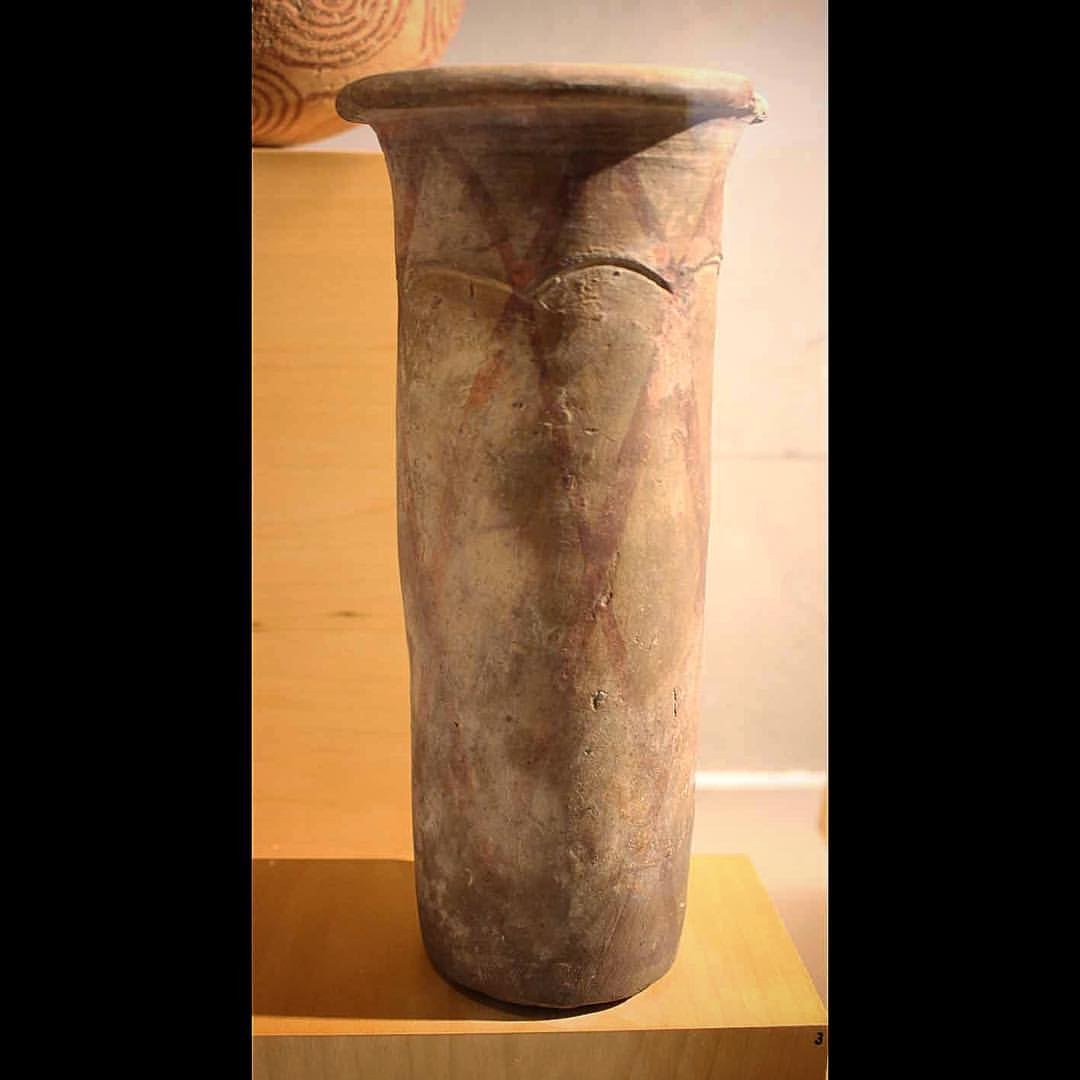
Pre-dynastic Egypt and the Unification. The Predynastic period of ancient Egypt (c. 6000-3100 BC) covers the long centuries in which farming communities along the Nile grew into one of the first territorial states in world history. After the end of the last Ice Age, communities such as the Badarian culture in Upper Egypt began cultivating wheat and barley, herding cattle, and making pottery by about 5000 BC. They were followed by the Naqada culture, which expanded gradually from its heartland around the city of Naqada and developed increasingly sophisticated crafts, long-distance trade, and social ranking.
During the Naqada II and III phases (c. 3500-3100 BC), Upper Egyptian centers such as Hierakonpolis and Abydos became seats of powerful local rulers. Cemeteries show clear differences in wealth, and craftsmen produced fine pottery, stone vessels, and ceremonial palettes carved with images of kingship, war, and animals. Trade brought gold from Nubia, lapis lazuli from distant Afghanistan, and timber and pottery contacts with Mesopotamia and the Levant, and by the end of the period the earliest Egyptian hieroglyphic writing appeared on labels and monuments.
The unification of Egypt was the work of a series of Upper Egyptian kings, known from names such as Iry-Hor, Ka, and Scorpion, who brought the Delta under their control in the late fourth millennium. The process culminated around 3100 BC with King Narmer, whose ceremonial palette shows him wearing the crowns of both Upper and Lower Egypt and smiting his enemies. Later tradition remembered the unifier as Menes, founder of the First Dynasty and of the new capital at Memphis, near the meeting point of the valley and the Delta.
The significance of this period can hardly be overstated. The unification created a single kingdom stretching from the Mediterranean to the First Cataract, governed from one center and held together by writing, taxation, and royal ritual. The institutions, artistic conventions, and religious ideas worked out in these centuries became the foundation of pharaonic civilization, which endured for three thousand years and remains one of the most remarkable achievements of the ancient world.
 World History Encyclopedia: Predynastic Period in Egypt
 Britannica: Menes
Britannica: Ancient Egypt
 UCL Digital Egypt: Naqada