 Go Back

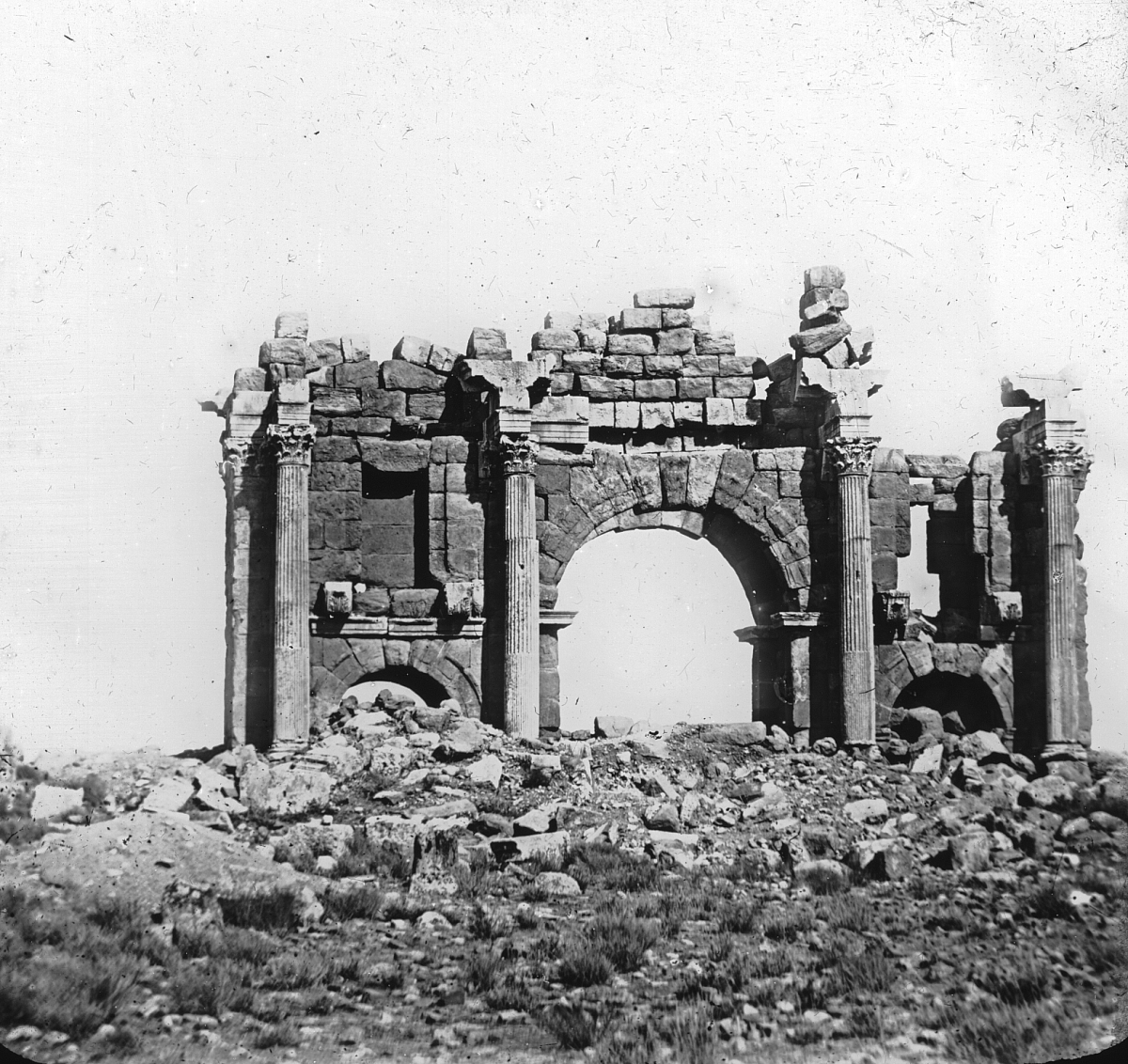
Roman North Africa refers to the vast, wealthy coastal territories of the Mediterranean margin including modern Tunisia, Algeria, Libya, and Morocco under Roman rule from 146 BCE through late antiquity. Known widely as the granary of Rome, this region was vital to the empire because its massive grain yields and olive oil production literally fed the imperial capital. It became one of the most heavily urbanized and prosperous zones of the Roman world, producing breathtaking stone cities like Timgad and Leptis Magna featuring incredible aqueducts, theaters, and mosaics.
The engine of this prosperity was the farm and the workshop. The province of Africa had a specific task in the imperial system: it had to provide Rome with grain, and fleet after fleet loaded with wheat, olive oil, and garum, the prized fish sauce of the Roman table, sailed from African harbors. African red slip pottery became one of the most widely distributed wares in the entire empire, found by archaeologists in most of its major cities, and the region suffered so little during the crises of the third century that its exports only grew.
Its stone cities still stun visitors: Timgad, founded for the emperor Trajan's veterans and laid out with the regularity of a military camp; Leptis Magna, the hometown of the emperor Septimius Severus; and Carthage itself, rebuilt by Rome into one of the five largest cities of the Mediterranean world. The region was also a furnace of early Christianity: it produced the theologian Tertullian, endured the long Donatist schism that split African churches, and gave the world Augustine of Hippo, whose writings shaped Western thought.
Beyond its immense economic weight, the region played a pivotal role in the intellectual and religious evolution of the Roman Empire. The long period of Roman stability was eventually shattered in the 5th century CE when the Vandals crossed the Strait of Gibraltar and conquered the major coastal cities. While the Byzantines briefly reclaimed parts of the region in the 6th century, Roman North Africa was permanently transformed in the 7th century by the sweeping Arab Islamic conquests, which took Carthage in 698 and folded the old Roman coast into a new world.
 Britannica: Africa Vetus
 World History Encyclopedia: North Africa’s Place in the Mediterranean Economy of Late Antiquity
 The Metropolitan Museum of Art: Western North Africa, 1–500 A.D.
World History Encyclopedia: The Splendours of Roman Algeria