 Go Back
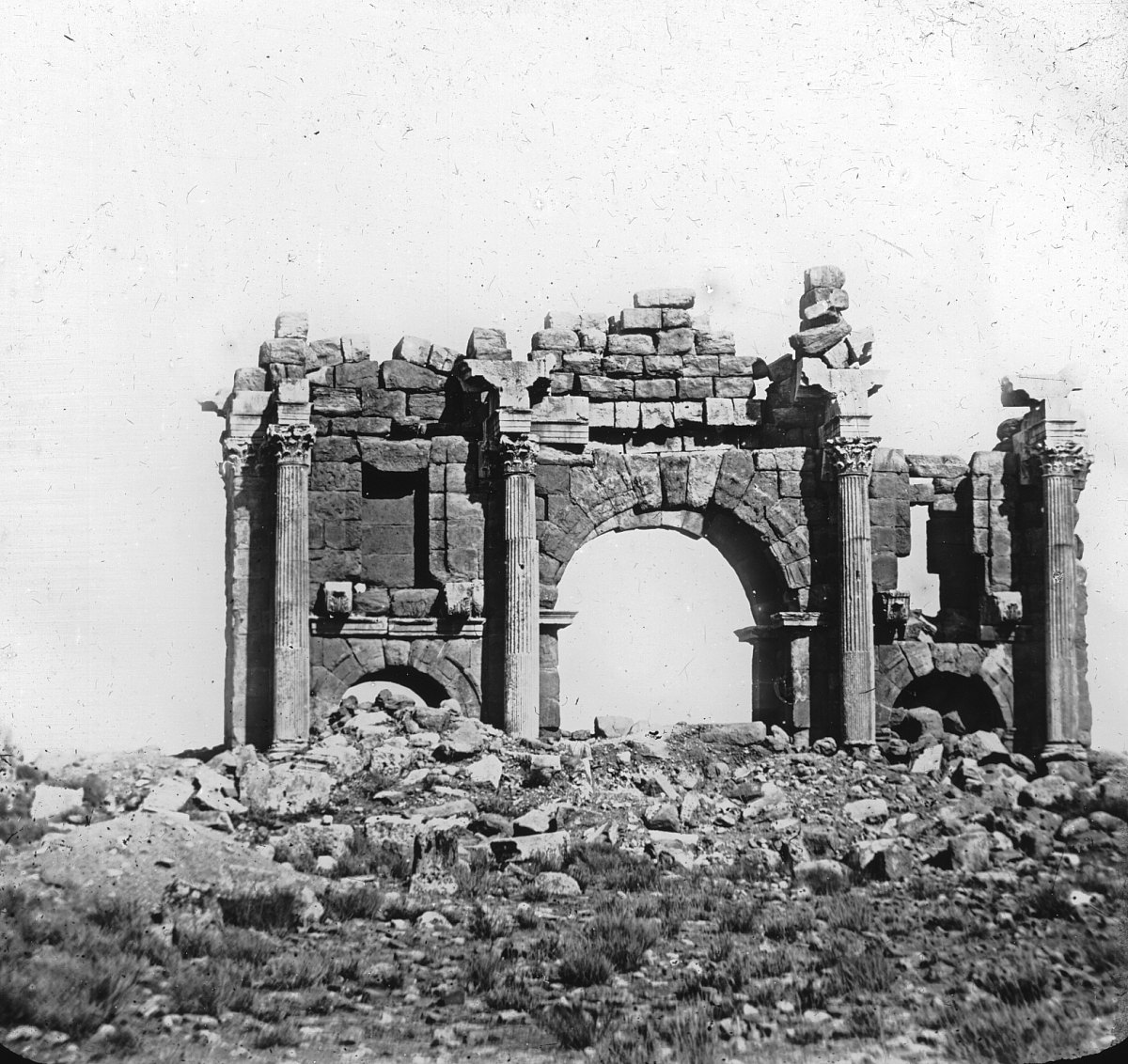
Roman North Africa. Roman North Africa refers to the vast, wealthy coastal territories of the Mediterranean margin including modern Tunisia, Algeria, Libya, and Morocco under Roman rule from 146 BCE through late antiquity. Known widely as the granary of Rome, this region was vital to the empire because its massive grain yields and olive oil production literally fed the imperial capital. It became one of the most heavily urbanized and prosperous zones of the Roman world, producing breathtaking stone cities like Timgad and Leptis Magna featuring incredible aqueducts, theaters, and mosaics.
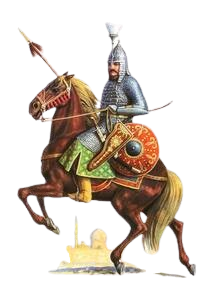
Beyond its immense economic weight, the region played a pivotal role in the intellectual and religious evolution of the Roman Empire, producing world changing figures like the Christian theologian Saint Augustine and the emperor Septimius Severus. The long period of Roman stability was eventually shattered in the 5th century CE when the Vandals crossed the Strait of Gibraltar and conquered the major coastal cities. While the Byzantines briefly reclaimed parts of the region in the 6th century, Roman North Africa was permanently transformed in the 7th century by the sweeping Arab Islamic conquests.