 Go Back

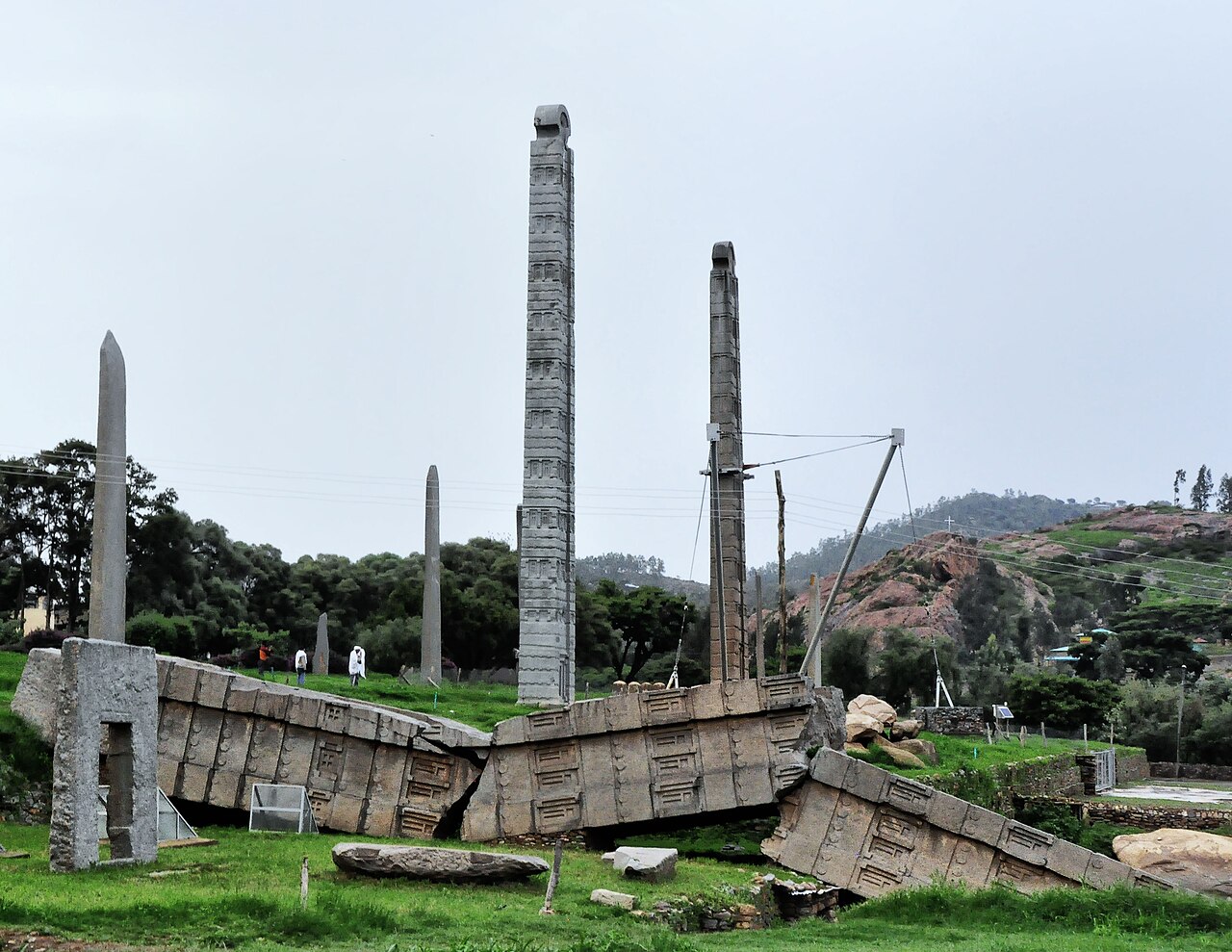
The Kingdom of Aksum was a major trading empire centered in modern day northern Ethiopia and Eritrea that flourished from the 1st to the 8th centuries CE. Perfectly positioned along crucial Red Sea maritime routes, it connected the Roman Empire to India, and a 3rd century Persian writer counted Aksum among the four great powers of the world, alongside Rome, Persia, and China. This state matters immensely because it adopted Christianity as its official religion in the 4th century CE under King Ezana, establishing one of the oldest national churches in human history and issuing its own unique gold coinage.
Its wealth flowed through the port of Adulis, where camel caravans carried gold, ivory, incense, and other treasures of the African interior to exchange for textiles, weapons, and glassware from India and the Roman world, and Aksumite coins have turned up as far away as India and Sri Lanka. Aksum was the first sub Saharan African state to mint its own coinage, and it developed its own script, Ge'ez, which still serves as the liturgical language of the Ethiopian Church today.
Its stone engineering remains breathtaking: the royal cemetery holds towering granite stelae carved to resemble multi story palaces, and one fallen example measures 33 meters and 520 tonnes, the largest single stone ever transported anywhere in antiquity. Aksum reached its absolute zenith by projecting power across the Red Sea to rule parts of the Arabian Peninsula, most notably under King Kaleb in the 6th century, whose armies, backed by long standing ties to Byzantium, governed Yemen until the Sasanian Persians arrived in 570.
In the mid 4th century, Ezana's armies had also sacked Meroe, capital of the fading kingdom of Kush, clearing Aksum's path to dominate the region. However, the kingdom began a slow decline in the 7th century as the newly emerging Islamic caliphates gained control of Red Sea trade routes, effectively isolating Aksum economically. Environmental degradation and climate shifts further eroded their agricultural output. The capital was eventually abandoned, and the political center shifted south into the Ethiopian highlands, setting the stage for the medieval Zagwe dynasty.
 Britannica: Aksum
 World History Encyclopedia: Kingdom of Axum
 Humanities LibreTexts: 11.1: Kingdom of Aksum
 UNESCO World Heritage Centre: Aksum