 Go Back

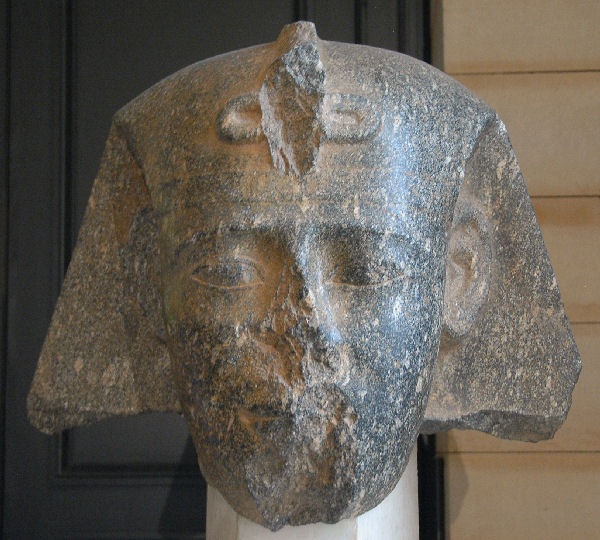
The Saite Dynasty and the Late Period. The Late Period of ancient Egypt (664-332 BC) began when Psamtik I, ruler of Sais in the western Delta, shook off Assyrian control and reunited the country, founding the Twenty-sixth Dynasty. With the help of Greek and Carian mercenaries he secured his throne, opened Egypt to foreign merchants, and presided over a deliberate revival of the art, texts, and monuments of Egypt's Old and Middle Kingdom past, an archaizing style that gave the age its distinctive polished look.
The Saite century was prosperous and outward-looking. Necho II began a canal linking the Nile to the Red Sea, an ancestor of the Suez Canal, and according to Herodotus he sent Phoenician sailors on a voyage that circled the whole of Africa. The Greek trading city of Naukratis flourished in the Delta, connecting Egypt to the Mediterranean world. Militarily the dynasty was less fortunate: Necho's victory over Judah at Megiddo was followed by a crushing defeat at the hands of the Babylonian king Nebuchadnezzar at Carchemish in 605 BC, ending Egyptian ambitions in Asia.
In 525 BC the Persian king Cambyses invaded, defeated Pharaoh Psamtik III at Pelusium, and made Egypt a province of the Persian Empire, the Twenty-seventh Dynasty. Persian rule was resented and repeatedly shaken off: Egyptians under Amyrtaeus, then the native Twenty-ninth and Thirtieth Dynasties of Nepherites, Nectanebo I, and Nectanebo II, ruled independently for some sixty years, rebuilding temples and defending the country until the Persians returned in 343 BC. Nectanebo II, who fled to Nubia, was the last native pharaoh of Egypt.
The second Persian period was short. In 332 BC Alexander of Macedon entered Egypt without a fight, was welcomed as a liberator, and founded Alexandria before marching east. After his death his general Ptolemy took Egypt and began three centuries of Greek rule. The Late Period is remembered as the final flowering of native Egyptian statehood: an age when Egypt was wealthy, militarily active, and deeply conscious of its own ancient past, even as foreign empires closed in from every side.
 Metropolitan Museum of Art: Egypt in the Late Period
 Livius: 26th Dynasty (Saites)
 Cambridge University Press: Egypt of the Saite Pharaohs
 Egypt Ministry of Tourism and Antiquities: Late Period