 Go Back

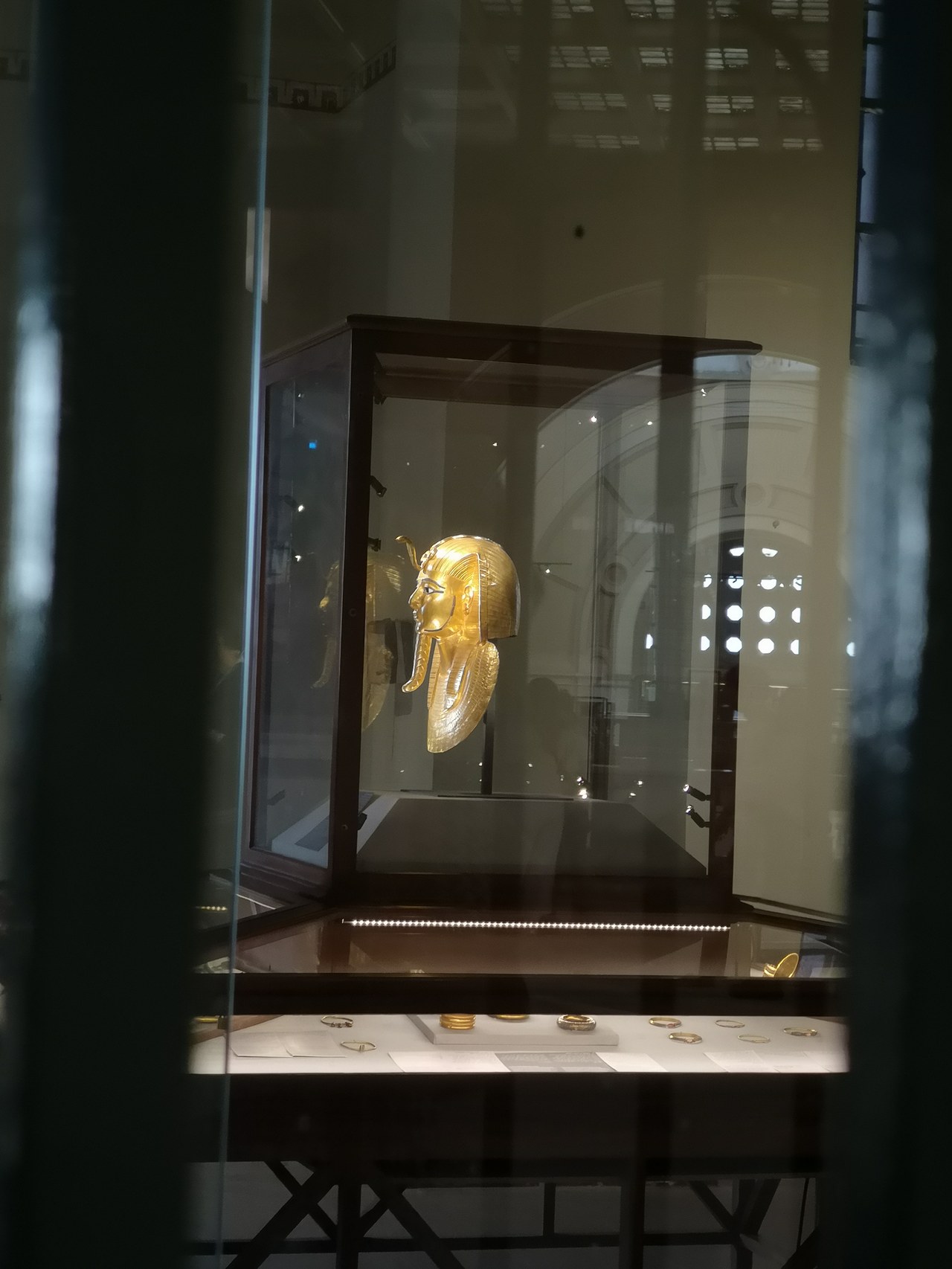
The Third Intermediate Period and the Libyan Dynasties. The Third Intermediate Period (c. 1069-664 BC) followed the death of Ramesses XI and the end of the New Kingdom, and it was defined above all by division. Smendes founded the Twenty-first Dynasty ruling from Tanis in the Delta, while in the south the High Priests of Amun at Thebes, beginning with Herihor and Pinedjem, governed Upper Egypt as a semi-independent theocracy that nominally recognized the northern kings.
From about 945 BC Egypt came under the rule of Libyan dynasties, descended from Meshwesh and Libu warriors who had settled in Egypt over generations. Shoshenq I, founder of the Twenty-second Dynasty at Bubastis, reunited the country and in 925 BC campaigned in Palestine, appearing in the Hebrew Bible as Shishak, the king who plundered the treasures of Jerusalem. His successors, including Osorkon I and Osorkon II, presided over a stable kingdom, but authority gradually splintered as local Libyan chiefs and a rival Twenty-third Dynasty claimed royal titles in different cities.
In the western Delta, Tefnakht of Sais built the Twenty-fourth Dynasty and pushed south, but his expansion provoked the rising Kingdom of Kush to the south. The Kushite king Piye marched north around 728 BC and recorded his conquest of all Egypt on a great victory stela. His brother Shabaqa then established the Twenty-fifth Dynasty, and for nearly a century Kushite pharaohs such as Taharqa ruled both Nubia and Egypt, reviving pyramid building and supporting the temples.
Kushite rule collided with the expanding Assyrian Empire. Assyrian armies under Esarhaddon and Ashurbanipal invaded Egypt, drove out Taharqa and his successor Tanutamani, and sacked Thebes in 663 BC, carrying off enormous booty. The Assyrians withdrew, leaving their client Psamtik of Sais to found the Twenty-sixth Dynasty. The Third Intermediate Period thus forms a bridge between the New Kingdom and the Late Period: an age of political fragmentation, foreign dynasties, and shifting capitals, during which Egyptian religion, art, and temple life nonetheless remained remarkably alive.
 Metropolitan Museum of Art: Egypt in the Third Intermediate Period
 UCL Digital Egypt: Third Intermediate Period
 Egypt Ministry of Tourism and Antiquities: Third Intermediate Period
 Oxford Research Encyclopedias: The Third Intermediate Period in Egypt