 Go Back

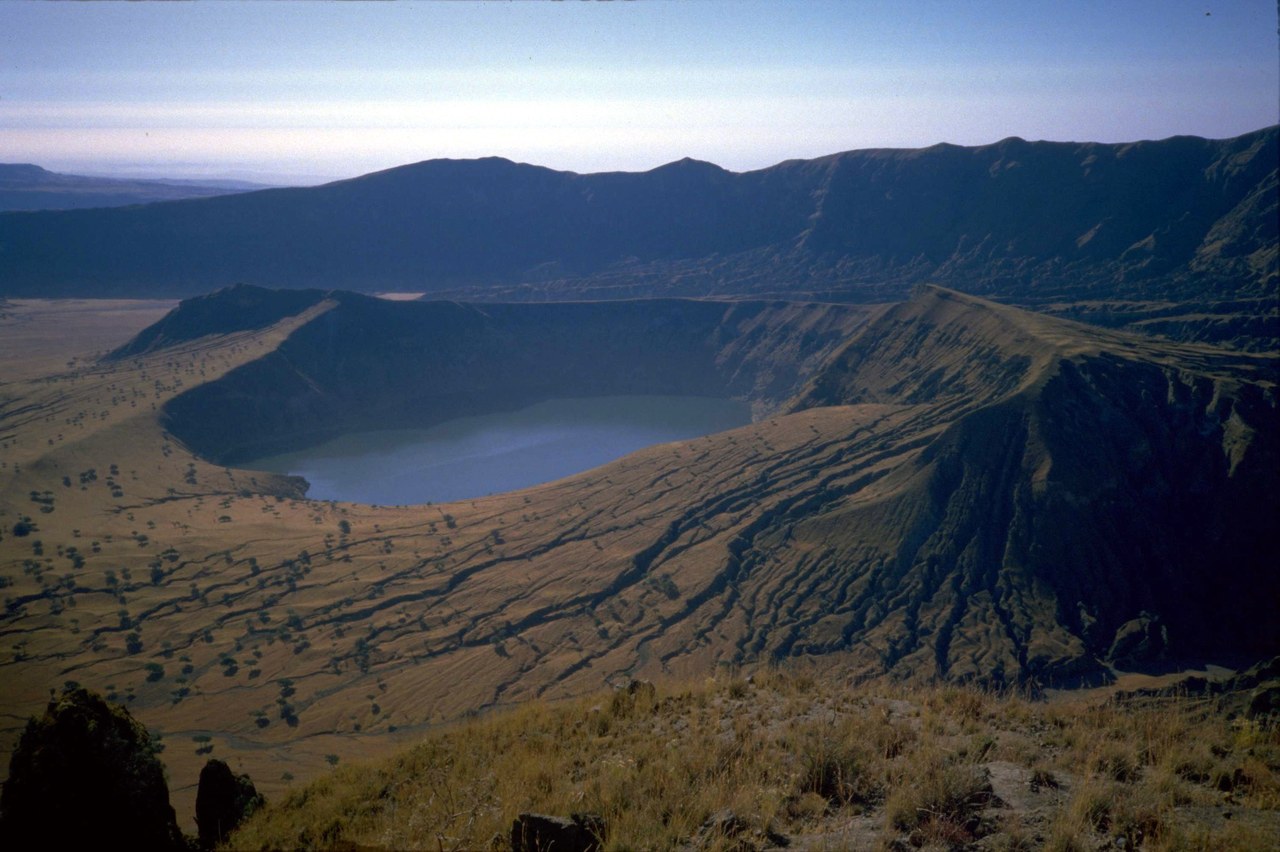
The Daju and Tunjur Kingdoms. The Daju and Tunjur kingdoms (c. 1200-1650) were the successive powers that ruled Darfur, the western Sudanese region between the Nile and Lake Chad, before the rise of the famous Keira sultanate. The Daju, a people of the Jebel Marra mountains, are remembered in Darfur tradition as the earliest historical kings of the region. Their rulers built stone-faced palaces and strongholds in the mountains, the ruins of which can still be seen, and they controlled the desert-edge trade routes linking the Nile valley with the lands to the west.
According to the traditions collected by historians, the Daju kings were overthrown by the Tunjur, a people of mixed origins who migrated into Darfur from the northwest. The Tunjur ruled from mountain capitals such as Uri and Turra in Jebel Marra, and they developed ties with the Islamic world: Tunjur sultans corresponded with Muslim rulers, built mosques, and adopted the title of sultan, while governing a population of farmers and cattle herders through a court of titled officials.
The Tunjur in turn gave way in the seventeenth century to the Keira dynasty of the Fur people. Tradition credits a leader named Sulayman Solong, remembered as the founder of the Fur sultanate, with defeating the last Tunjur king and establishing Keira rule around 1650. Under the Keira sultans, Darfur became a major Muslim state trading with Egypt, but the memory of the earlier kingdoms was carefully preserved in Fur royal ceremonies and in the genealogies that linked the new dynasty to its predecessors.
The Daju and Tunjur kingdoms matter because they reveal the deep roots of statehood in the Sudanese Sahel. Long before the better-documented sultanates, mountain and desert peoples of Darfur were building fortified capitals, organizing kingdoms, and joining the caravan networks of the Sahara and the Nile. Their ruined strongholds in Jebel Marra, and the traditions that preserve their names, are among the few witnesses to five centuries of history in one of Africa's least-known regions.
 Wikipedia: Tunjur Kingdom
Wikipedia: Daju Kingdom
 University of Michigan Press (Fulcrum): Darfur in the Age of Stone Architecture
 NYU Press: Darfur: Historical Introduction