 Go Back

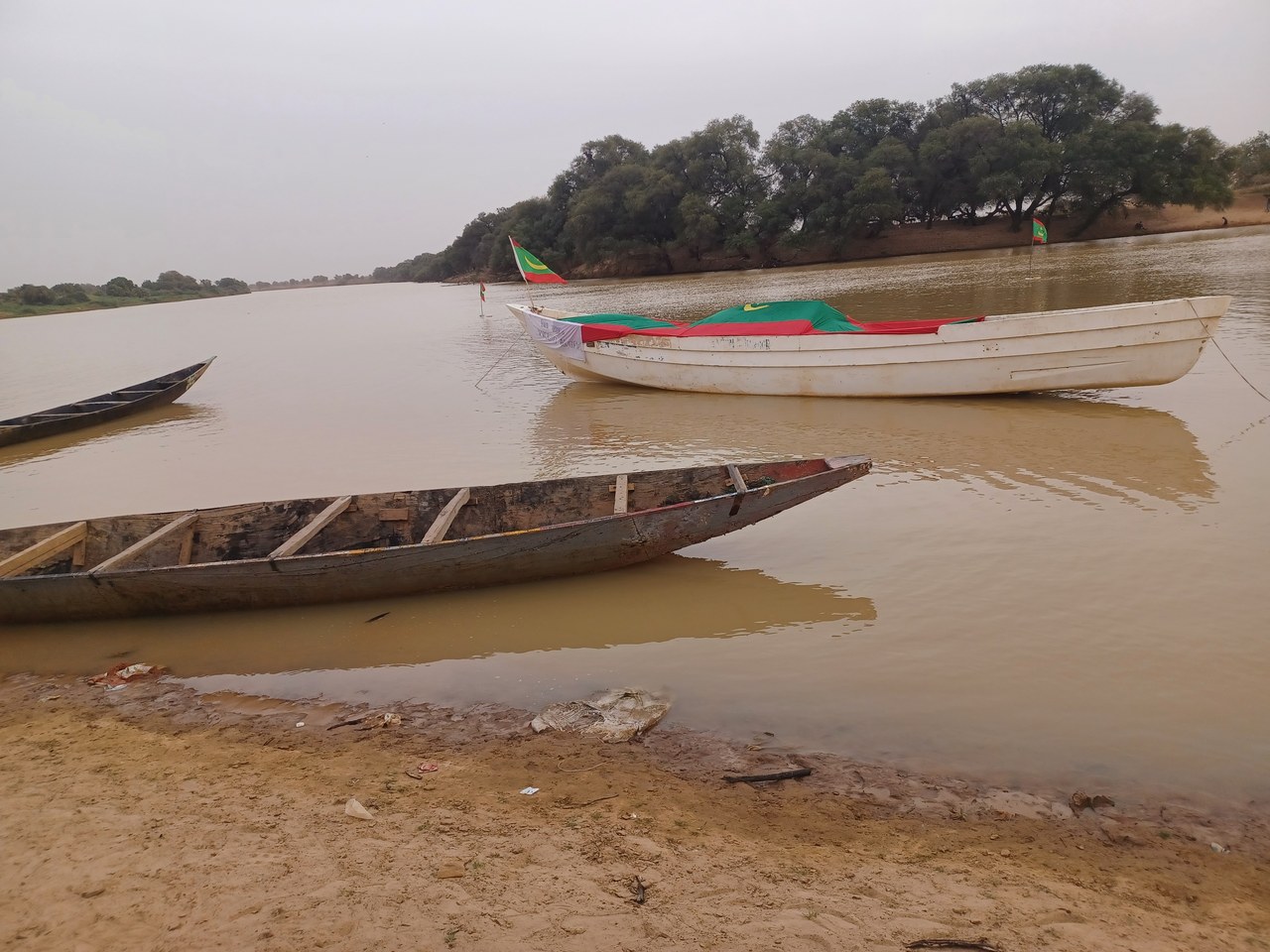
The Kingdom of Takrur. The kingdom of Takrur (c. 800-1286) was one of the earliest known states of West Africa and the first in the region whose rulers embraced Islam. It lay in the middle valley of the Senegal River, in the land the Fulani call Futa Toro, and Arabic geographers such as al-Bakri described it as a powerful kingdom whose people were black Muslims, remarkable at a time when Islam had barely crossed the Sahara. Takrur's merchants traded gold, brought from the Bambuk fields further south, for salt and goods carried by desert caravans.
The kingdom's defining moment came in the eleventh century. Around 1030 its king, War Jabi, accepted Islam and made it the religion of his court and people, one of the first royal conversions in sub-Saharan Africa. When the Almoravid movement arose among the Sanhaja of the western Sahara, Takrur became one of its earliest allies; King War Jabi's son joined the Almoravids in their campaigns, and Takruri soldiers fought in the armies that conquered Morocco and crossed into Spain. Arabic sources of the period sometimes used the name Takrur so broadly that it stood for the whole of the Western Sudan.
Takrur remained a significant power into the thirteenth century, controlling the river trade and ruled by the Manna dynasty, but the rise of the Mali Empire ended its independence. Sundiata's successors expanded west toward the Senegal, and by about 1286 Takrur had been absorbed into Mali, its lands becoming the empire's western provinces. Centuries later the region re-emerged under Fulani rule, and the old name survived in Arabic writing as a word for the people of the Sudan.
Takrur matters out of proportion to the scanty records it left. It shows that organized kingdoms with Muslim courts existed in West Africa centuries before the famous empires of Mali and Songhai, and it stood at the meeting point of the river, the gold fields, and the desert routes that made West African trade possible. Historians still debate its exact borders and history, but its place among the founding states of the Western Sudan is secure.
 Wikipedia: Takrur
 Brill Encyclopaedia of Islam: Takrur
 Yale University Press: The Search for Takrur
 Journal of African History: Takrur: The History of a Name