 Go Back

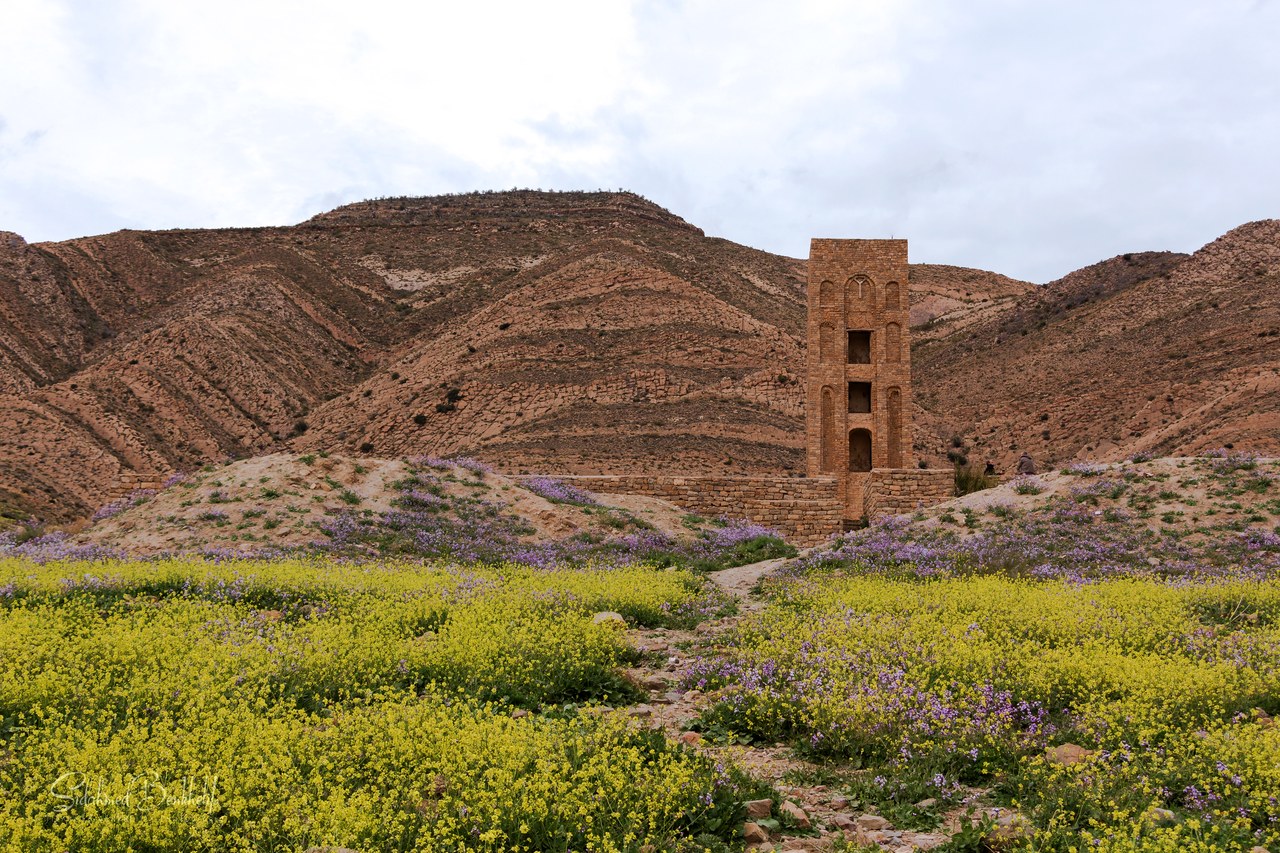
The Zirid and Hammadid Dynasties. The Zirid and Hammadid dynasties (973-1152) were Berber ruling houses of the Sanhaja confederation who governed Ifriqiya and the central Maghreb, roughly modern Tunisia and eastern Algeria, between the age of the Fatimids and that of the Almohads. The Zirids rose as Fatimid governors: when the Fatimid caliphs moved east to their new conquest of Egypt in 973, they left their trusted Sanhaja commander Buluggin ibn Ziri to rule Ifriqiya in their name, and his descendants soon behaved as independent sovereigns.
The Zirid century saw both splendor and catastrophe. From their base at Kairouan the Zirid amirs built palaces and patronized learning, and the dynasty's great royal cities included al-Mansuriyya and, later, Mahdia on the coast. In 1049 the Zirids finally broke with the Fatimids and transferred their allegiance to the Abbasid caliph. The Fatimids answered by unleashing the Arab Bedouin tribes of the Banu Hilal and Banu Sulaym on Ifriqiya. The Hilalian migrations transformed the countryside, accelerated the Arabization of the Maghreb, and shattered Zirid power; Kairouan was sacked in 1057 and the Zirids withdrew to their coastal cities.
The western branch of the family fared better. In 1007 a split had given the central Maghreb to the Hammadids, relatives of the Zirids, who built two of the most remarkable fortified cities of the medieval Islamic world: Ashir and, from 1007, the Qalaa of the Banu Hammad, a mountain capital whose ruined mosque tower and palace complex are now a World Heritage site. The Hammadids prospered on trade and diplomacy until they too were weakened by the Hilalian tribes and finally absorbed by the Almohads in 1152.
Together the two dynasties carried Berber political power to its height in the medieval Maghreb. They defended the region against the Zanata rivals of the west and the Normans of Sicily, who briefly seized Mahdia from the Zirids in 1148. Their era bridges the age of the caliphates and that of the great Berber empires, and their surviving monuments at Kairouan, Mahdia, Ashir, and the Qalaa remain among the finest witnesses of medieval North African civilization.
 Metropolitan Museum of Art: The Maghrib, 1000-1400 A.D.
Museum With No Frontiers: Zirid and Hammadid Dynasties
 Oxford Handbook of Topics in History: Ifriqiya and the Central Maghreb