 Go Back

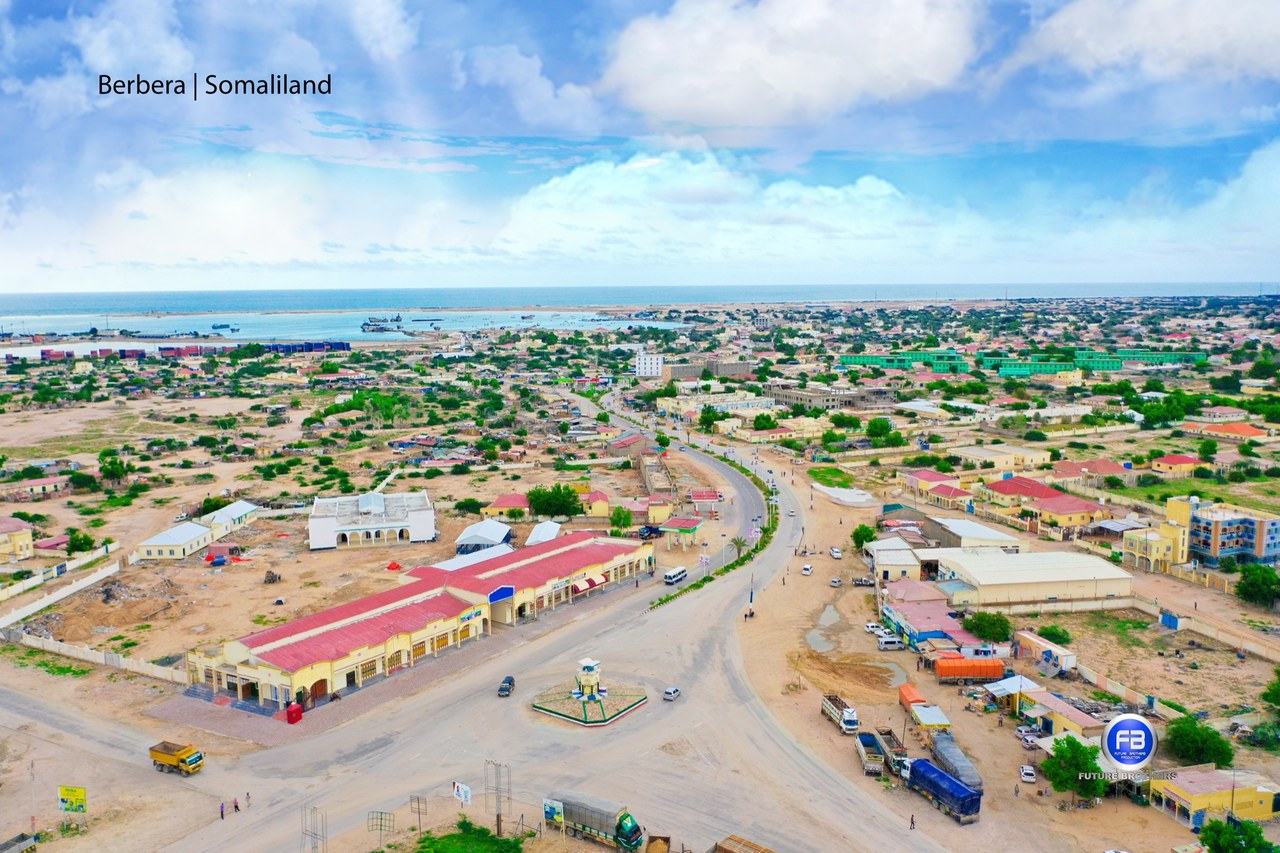
British Somaliland. British Somaliland, established in 1884, was the British protectorate on the southern shore of the Gulf of Aden, created to supply the port of Aden with meat. In 1884-86 Britain signed treaties of protection with the Somali clans of the north coast, establishing a territory centered on the port of Berbera. British rule was deliberately light: the protectorate was governed cheaply, through the clans and their elders, and for years the interior was left largely to itself.
The protectorate's quiet was shattered by the long war against Muhammad Abdullah Hassan, the leader the British called the Mad Mullah. From 1899 his dervish movement, based in the interior, fought the British, Italians, and Ethiopians in a twenty-year struggle that became legend in Somali memory. Four British expeditions failed to catch him until 1920, when the new Royal Air Force bombed his strongholds from the air, one of the first campaigns of its kind, and the movement collapsed; the Sayyid died later that year.
After 1920 the protectorate settled into modest development: Berbera's trade, a small administration, the first schools, and a Somali police force. Taxes and customs from the caravans and the coast kept the territory solvent, and the camel constabulary policed an interior still governed, in practice, by the clans and their elders.
By the mid 1920s British Somaliland stood as one of the empire's cheapest and most lightly ruled possessions: a coaling port, a hinterland of pastoral clans, and an administration that had learned, at the cost of twenty years of war, to leave the interior to itself. The memory of the dervish struggle, and of the Sayyid's poetry, ran deep in Somali life.
 World History Encyclopedia: British Somaliland
 Wikipedia: British Somaliland
 Routledge: British Somaliland: An Administrative History
Source #4