 Go Back

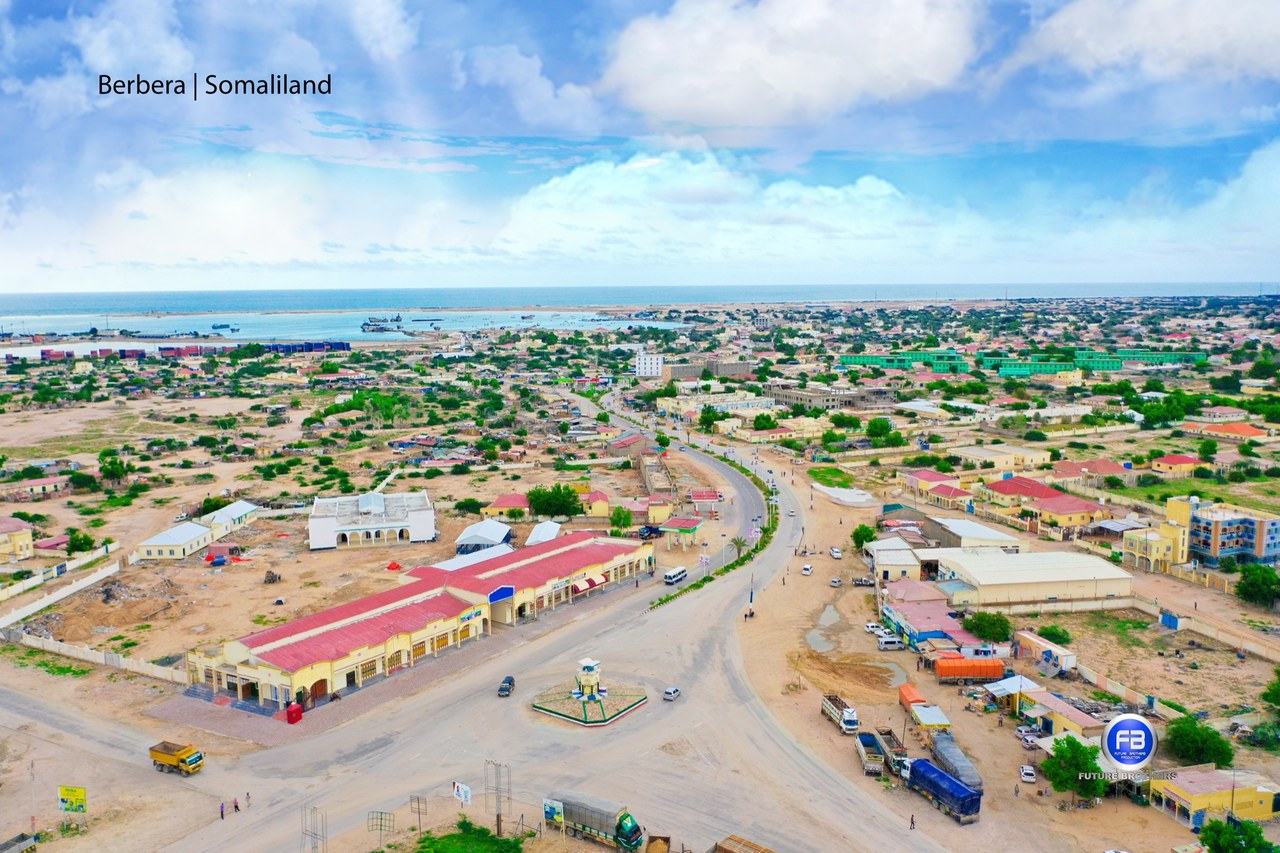
British Somaliland. British Somaliland (1884-1960) was the British protectorate on the southern shore of the Gulf of Aden, created to supply the port of Aden with meat. In 1884-86 Britain signed treaties of protection with the Somali clans of the north coast, establishing a territory centered on the port of Berbera. British rule was deliberately light: the protectorate was governed cheaply, through the clans and their elders, and for years the interior was left largely to itself.
The protectorate's quiet was shattered by the long war against Muhammad Abdullah Hassan, the leader the British called the Mad Mullah. From 1899 his dervish movement, based in the interior, fought the British, Italians, and Ethiopians in a twenty-year struggle that became legend in Somali memory. Four British expeditions failed to catch him until 1920, when the new Royal Air Force bombed his strongholds from the air, one of the first campaigns of its kind, and the movement collapsed; the Sayyid died later that year.
After 1920 the protectorate settled into modest development: Berbera's trade, a small administration, schools, and a Somali police force. In the Second World War Italy briefly occupied the territory in 1940 before British forces retook it in 1941. After the war, nationalist feeling grew with the Somali Youth League, and Britain prepared the protectorate for independence. On 26 June 1960 British Somaliland became independent, and five days later it united with the former Italian Somaliland as the Somali Republic.
The protectorate's story did not end there. When Somalia collapsed in 1991, the north revived its old colonial identity and declared itself the Republic of Somaliland, restoring the independence of 1960. Though unrecognized internationally, Somaliland has governed itself since, making the legacy of the British protectorate a live question in the Horn of Africa to this day.
 World History Encyclopedia: British Somaliland
 Wikipedia: British Somaliland
 Routledge: British Somaliland: An Administrative History
Government of Somaliland: History