 Go Back

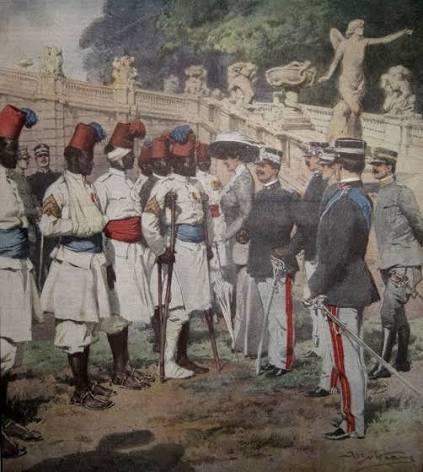
Italian Colonization of the Horn of Africa began with Eritrea, which Italy pieced together from Red Sea ports and highlands in the late 19th century, naming it its first colony in 1890. Asmara, once a mere highland hamlet, became the colonial capital in 1900, rebuilt as a planned modern city on the plateau and served by the Eritrean Railway. Flush with imperial ambition, Italy then invaded Ethiopia in 1895, only to suffer at Adwa in 1896 the most famous defeat a European power ever suffered in Africa, leaving Ethiopia proudly independent and Italy deeply humiliated.
Italy also took Italian Somaliland along the Horn's eastern coast, and in 1911 to 1912 it seized Libya from the Ottomans. Its rule in the Horn was authoritarian and racially stratified, and its ambitions never rested: fascist Italy under Mussolini vowed to avenge Adwa.
Eritrea itself was transformed in those decades. Italian settlers, soldiers, and clerks filled Asmara's planned streets, the railway climbed from Massawa to the highland capital, and Eritrean soldiers, the ascari, became the backbone of Italy's colonial army, fighting in Libya and Somalia as well as at home.
As of the mid 1920s Italy's African empire remained confined to Eritrea and the Somali coast, and the memory of Adwa still rankled. After Mussolini seized power in 1922, fascist Italy vowed to avenge the defeat and restore Roman glory on the Horn, a threat Ethiopia, admitted to the League of Nations in 1923, watched with growing alarm. The borders, resentments, and memories of resistance from those first colonial decades would shape the Horn far beyond the colonial period.
 World History Encyclopedia: Italian Colonialism in Eritrea
 Humanities LibreTexts: 9.4: Colonial Empires
 Britannica: Italian Somaliland