 Go Back

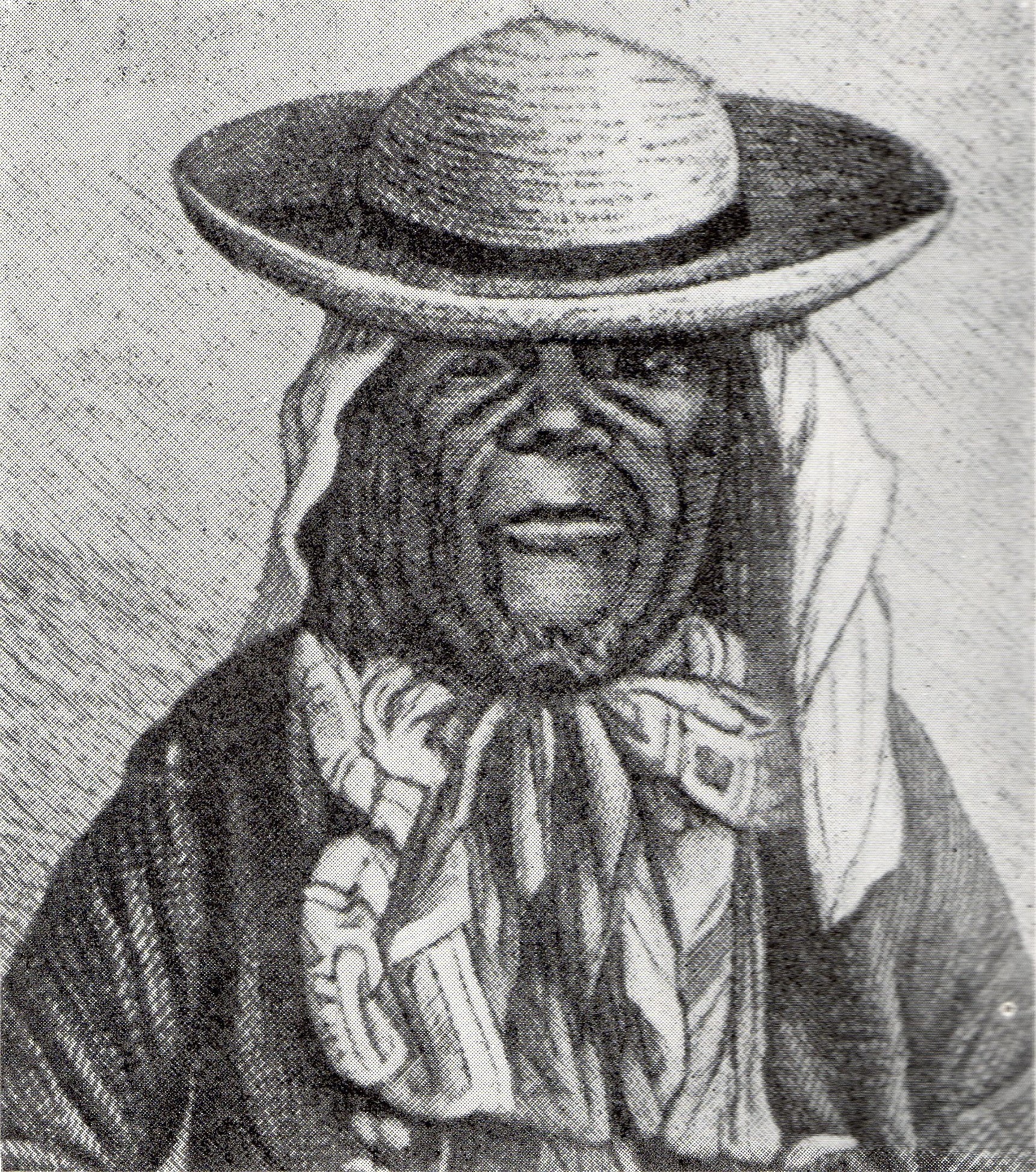
Msiri and the Yeke Kingdom. The Yeke kingdom of Katanga, in the southeast of the modern Democratic Republic of the Congo, was a powerful African state in the late nineteenth century. Its founder, Msiri, a trader from the far side of the lake country, built in a single generation a realm that controlled the trade in ivory, copper, and guns between two oceans. It matters because its fate, decided in one violent encounter in 1891, delivered the copper lands of Katanga to empire.
Msiri came west in the 1850s from the country of the Nyamwezi, the great caravan traders of what is now Tanzania, carrying goods and firearms. Settling among the Sanga people at a hilltop stockade called Bunkeya, he traded, married, and fought his way to supremacy, subduing chiefs of the old Lunda empire and gathering warriors and craftsmen from every people of the region. His capital became a fortified court of thousands, ringed by villages, fields, and foundries.
The kingdom's wealth rested on trade and tribute. Bunkeya's smiths worked the famous copper crosses of Katanga, and its caravans carried ivory and copper east to the Swahili coast and west to Angola, returning with cloth, beads, and above all guns. Msiri ruled with a reputation for terror as well as wealth, and his court, where the heads of enemies were displayed on poles, both awed and horrified the European travelers who began to arrive in the 1880s.
Those travelers came for Katanga's minerals. In December 1891 an armed expedition of King Leopold's Congo Free State under Captain Stairs reached Bunkeya and demanded that Msiri fly the Free State flag. Msiri refused, and the talks broke down. What followed on 20 December 1891 is still disputed: the expedition's officers said the young Captain Bodson shot Msiri in self-defense, while the king's people remembered an unarmed ruler cut down at a parley. Msiri died, his son Masuka fell beside him, and Bodson himself died of his wounds. The Free State flag rose over Bunkeya ten days later. His successor, Mukanda Bantu, submitted to colonial rule and worked with the Free State, even as Yeke accounts challenged the idea that submission had been voluntary. Colonial authority grew through local alliances as well as force.
 Royal Museum for Central Africa: The Yeke and the Congo Free State
 Wikipedia: Msiri
Wikipedia: Yeke Kingdom