 Go Back

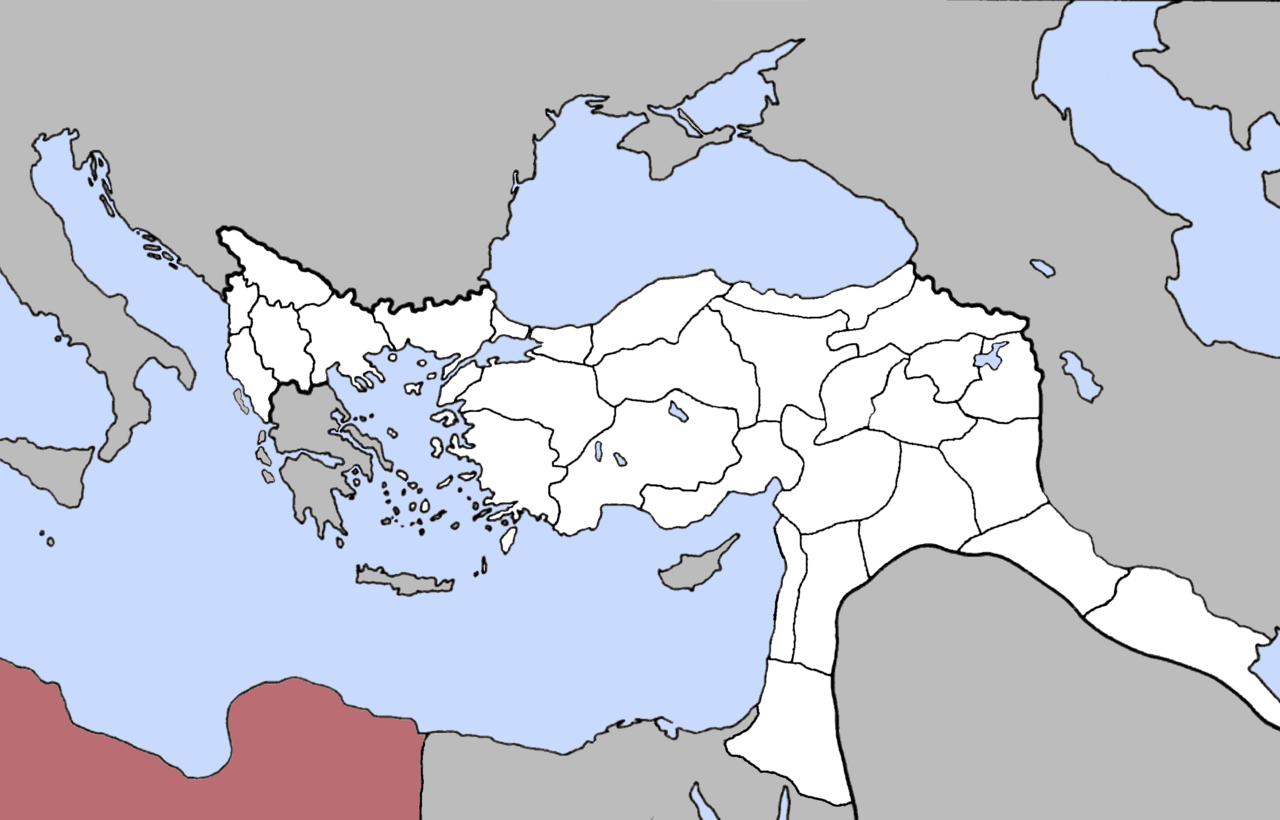
Ottoman North Africa refers to the autonomous regencies of Algiers, Tunis, and Tripoli established along the Maghreb coastline following the 16th century conquests. The Ottomans arrived almost by invitation: Algiers accepted Sultan Selim's suzerainty in 1517 under the corsair brothers Aruj and Hayreddin Barbarossa, and Tunis entered Ottoman rule under Suleiman the Magnificent in 1534, leaving Morocco, which fought the Ottomans off, as the one Maghreb state outside the empire.
Governed by local military elites, janissaries, and corsair captains, these coastal enclaves operated with near total independence from the distant sultan in Istanbul, who was content with tribute and naval support. The arrangement made the empire a Mediterranean superpower: Hayreddin Barbarossa, commanding the Ottoman fleet, smashed a Christian alliance at Preveza in 1538 and ruled the western sea for a generation.
This era matters because it turned the Barbary Coast into a naval force that shaped Western Mediterranean trade and grew rich on state sponsored privateering and maritime tolls, while the regency cities, Algiers above all, blossomed with mosques, palaces, and one of the most cosmopolitan ports of the age. Over time each regency settled into its own ruling order: elected deys in Algiers, and hereditary dynasties in Tunis and Tripoli. The wider empire's sea power framed everything: the Ottoman navy, built to titanic scale under Suleiman, dominated the Mediterranean until its defeat at Lepanto in 1571, and its slow waning from the 17th century left the regencies increasingly on their own.
Reliance on corsair raids, however, repeatedly triggered naval blockades and military intervention by European nations and the young United States, while internal corruption, economic isolation, and declining naval supremacy eroded stability through the late 18th century. The era of Ottoman control ended abruptly in the 19th century: France invaded Algiers in 1830, beginning a wave of European colonial expansion that would swallow all of North Africa.
 Britannica: History of North Africa
 World History Encyclopedia: Ottoman Empire
 Humanities LibreTexts: 4.3: The Ottoman Empire
 The Metropolitan Museum of Art: The Greater Ottoman Empire, 1600–1800