 Go Back

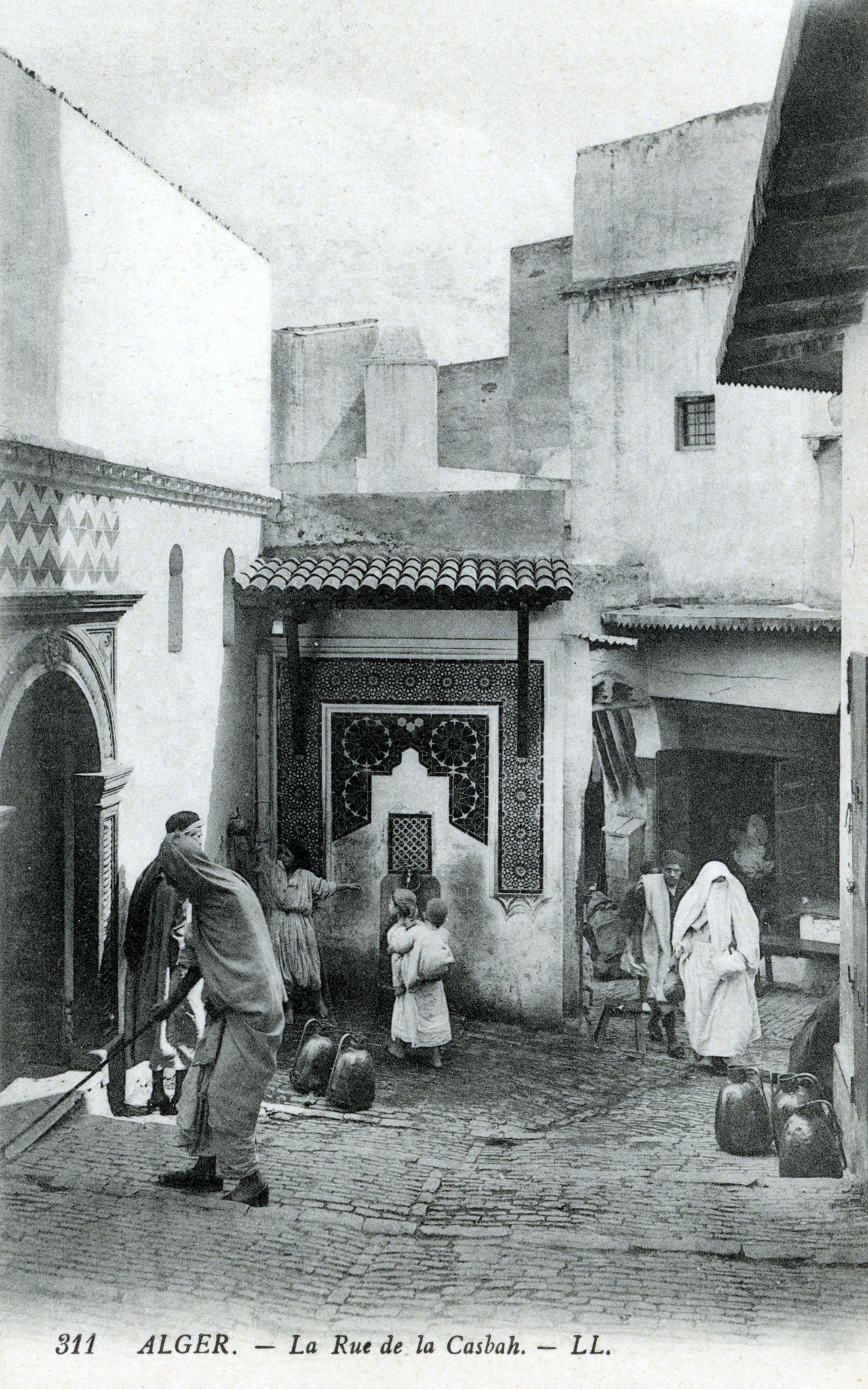
The Algerian War. The Algerian War (1954-1962) was the bitter struggle that ended 132 years of French rule in Algeria and became one of the defining conflicts of the age of decolonization. Algeria was no ordinary colony: a million European settlers, the colons or pieds-noirs, held its best land, and France declared Algeria to be France itself. Algerian Muslims, denied equal rights, had risen before, and the massacre of thousands at Setif in 1945, after victory in Europe, convinced many that only force would win freedom.
On 1 November 1954 the National Liberation Front, the FLN, launched its uprising with coordinated attacks across the country. The war that followed was fought in the mountains and the cities alike. The FLN's army, the ALN, waged guerrilla war from the djebel, while in Algiers the Battle of the Casbah in 1956-57 brought bombings, mass arrests, and systematic torture by French paratroopers into the world's headlines. France poured half a million soldiers into Algeria and resettled two million villagers into camps, yet could not destroy the rebellion.
The war shook France to its foundations. In 1958 the colons and the army, fearing abandonment, rose in Algiers and brought down the Fourth Republic, returning Charles de Gaulle to power. De Gaulle slowly concluded that Algeria must go; when diehard generals tried to stop him with a putsch in 1961 and the secret OAS waged a campaign of terror, he pressed on. In March 1962 the Evian Accords ended the war, and Algeria became independent on 5 July 1962.
The cost was immense: hundreds of thousands of Algerians dead, and a million colons who fled to France, along with many Algerian harkis abandoned to brutal reprisals. In Algeria the FLN built a one-party state on the memory of liberation, and the war's legacy still shapes Algerian identity and Franco-Algerian relations today.
 Wikipedia: Algerian War
 Fondation Charles de Gaulle: La guerre d'Algerie
 UQAM: The Algerian War
 Wiley International Encyclopedia of Revolution: Algerian War of Independence