 Go Back

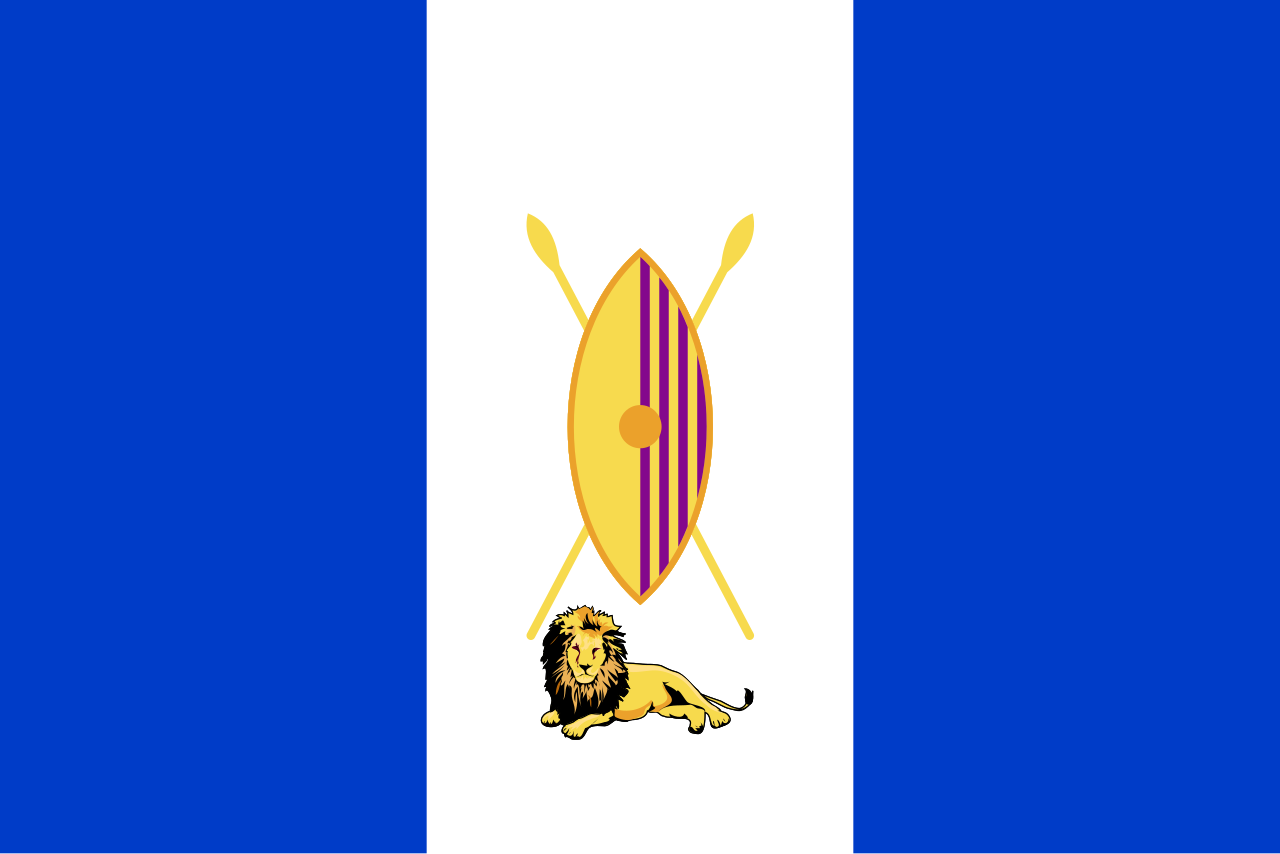
The Buganda Kingdom was a powerful, highly centralized state on the northern shores of Lake Victoria in modern day Uganda. Founded in the late 14th century among the Bantu speaking Ganda people, it expanded rapidly from the 18th through the 19th century until it stood as the largest and most powerful kingdom in the entire region. It matters because its disciplined government made it the model African state in European eyes, and because its fierce sense of identity has shaped Uganda's politics ever since.
At its head ruled an absolute monarch, the kabaka, who governed through an efficient bureaucracy: the chiefs of conquered lands ruled as his personal appointees, not hereditary lords, so loyalty flowed straight to the throne. Buganda built a formidable navy of war canoes that commanded Lake Victoria, a network of broad, well kept roads, and a sizable standing army.
The 19th century brought new faiths and new pressures: under Kabaka Mutesa I, Muslim traders and then Christian missionaries arrived at the kabaka's court, competing for converts, and after his death in 1884 the kingdom split into politico religious factions. Britain declared a sphere of influence in 1894, and the Buganda Agreement of 1900 made the kingdom a protectorate, one whose Ganda officials became pillars of the British administration across East Africa.
Under the protectorate the kingdom kept its throne, its parliament, and much of its land, and Ganda agents and clerks carried British administration deep into the interior. By the mid 1920s the young Kabaka Daudi Chwa II reigned under a council of regents, and Buganda's separate identity, its dynasty, its capital at Mengo, and its pride as the model kingdom of East Africa, remained as strong as ever.
 UNESCO World Heritage Centre: Tombs of Buganda Kings at Kasubi
 The Metropolitan Museum of Art: Tombs of Buganda Kings at Wamala and Kasubi, Uganda
 UNESCO: Where the spirits dwell: the Tombs of Buganda Kings in Uganda
 UNESCO: Barkcloth making in Uganda - UNESCO Intangible Cultural Heritage