 Go Back

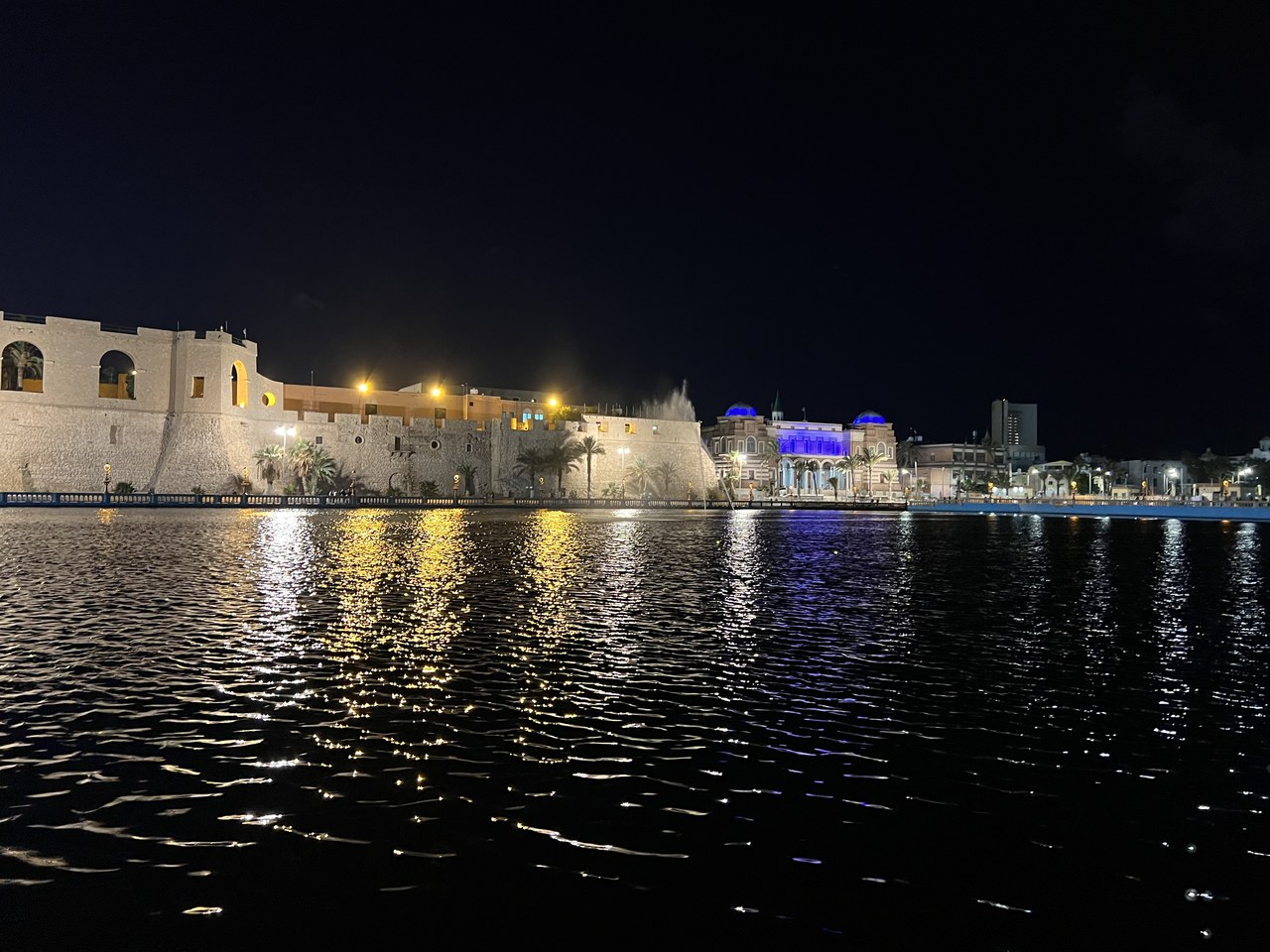
Italian Libya. Italian colonial rule in Libya, begun in 1911, was born of invasion. In 1911 Italy, hungry for empire, declared war on the Ottoman Empire and landed troops in Tripoli, claiming the Ottoman provinces of Tripolitania and Cyrenaica. The conquest was far harder than Rome expected: Libyan resistance, led above all by the Sanusi religious order, tied down Italian armies for years, and Italy's effective control long extended little beyond the coast.
The conquest stalled after the First World War. Italy had promised the Libyans a parliament and citizenship in the Legge Fondamentale of 1919, but the agreements collapsed, and from 1922 the new Fascist regime resolved to reconquer the interior. In Cyrenaica the guerrilla bands of the Sanusi order, led by the veteran teacher Omar Mukhtar, met Italian columns with hit and run war from the mountains of the Gebel Akhdar.
In Tripolitania the resistance of the coastal towns crumbled sooner, and by 1924 Italian authority reached into the Gebel and toward the Fezzan; but Cyrenaica still burned. The 'reconquest' had become a grinding colonial war, waged with aircraft and armored cars against a resistance that would not break, and its cost in Libyan lives, in emptied wells, slaughtered flocks, and burned villages, was already staggering.
More than a decade after the landings of 1911, Italy's empire in Libya remained unfinished: a conquered coast, a contested interior, and a people whose refusal made the colony one of the bloodiest projects of the age. The names of the Sanusi lodges, and of Omar Mukhtar above all, became, and remain, symbols of Libyan nationhood.
 World History Encyclopedia: Italian Colonialism in Libya
 Wikipedia: Italian Colonization of Libya
 Settler Colonial Studies: Terra Promessa: Migration and Settler Colonialism in Libya
Cambridge University Press: Italy's Fourth Shore and Decolonization, 1911-1950