 Go Back

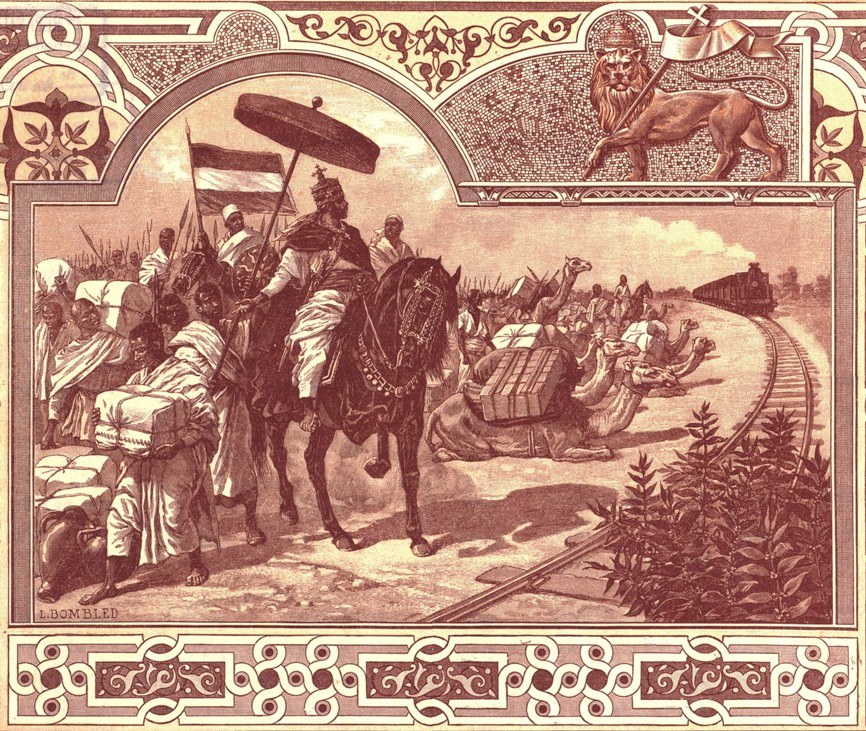
The Italo-Ethiopian Wars. The Italo-Ethiopian Wars (1895-1937) decided whether Africa's oldest independent state would survive the age of empire. Italy, newly united and eager for colonies, had seized Eritrea on the Red Sea and in 1889 signed the Treaty of Wuchale with the Ethiopian emperor Menelik II. The Italian text of the treaty made Ethiopia an Italian protectorate; the Amharic text did not. When Menelik repudiated the Italian version, war followed.
The First Italo-Ethiopian War ended in a stunning African victory. In 1895-96 Italian columns advanced from Eritrea into the highlands, and on 1 March 1896 Menelik's great army, some one hundred thousand strong, destroyed the invaders at the Battle of Adwa. It was the most decisive defeat of a European power by an African state in the whole colonial era. Italy recognized Ethiopian independence, and Adwa became a beacon of pride for Africans and people of African descent across the world.
Forty years later Mussolini sought revenge and empire. In October 1935 Italian armies invaded Ethiopia from Eritrea and Somalia in the Second Italo-Ethiopian War. This time the invaders brought aircraft, tanks, and poison gas, used against soldiers and civilians alike, while the League of Nations failed to stop them. Emperor Haile Selassie's armies were overwhelmed, Addis Ababa fell in May 1936, and Italy proclaimed its East African empire, though Ethiopian patriots fought on in the mountains.
Italian rule lasted only five years. In 1941 British and Commonwealth forces, alongside Ethiopian resistance fighters, liberated the country and restored Haile Selassie. Ethiopia emerged as a founding member of the United Nations, its independence vindicated twice over. Adwa remains a national holiday and a symbol of African resistance, while the memory of the occupation and its atrocities still shapes Ethiopia's view of its past.
 World History Encyclopedia: Italo-Ethiopian Wars
 Wikipedia: Second Italo-Ethiopian War
 Treccani: Guerra italo-etiopica
 U.S. Office of the Historian: The Italo-Ethiopian War, 1935