 Go Back

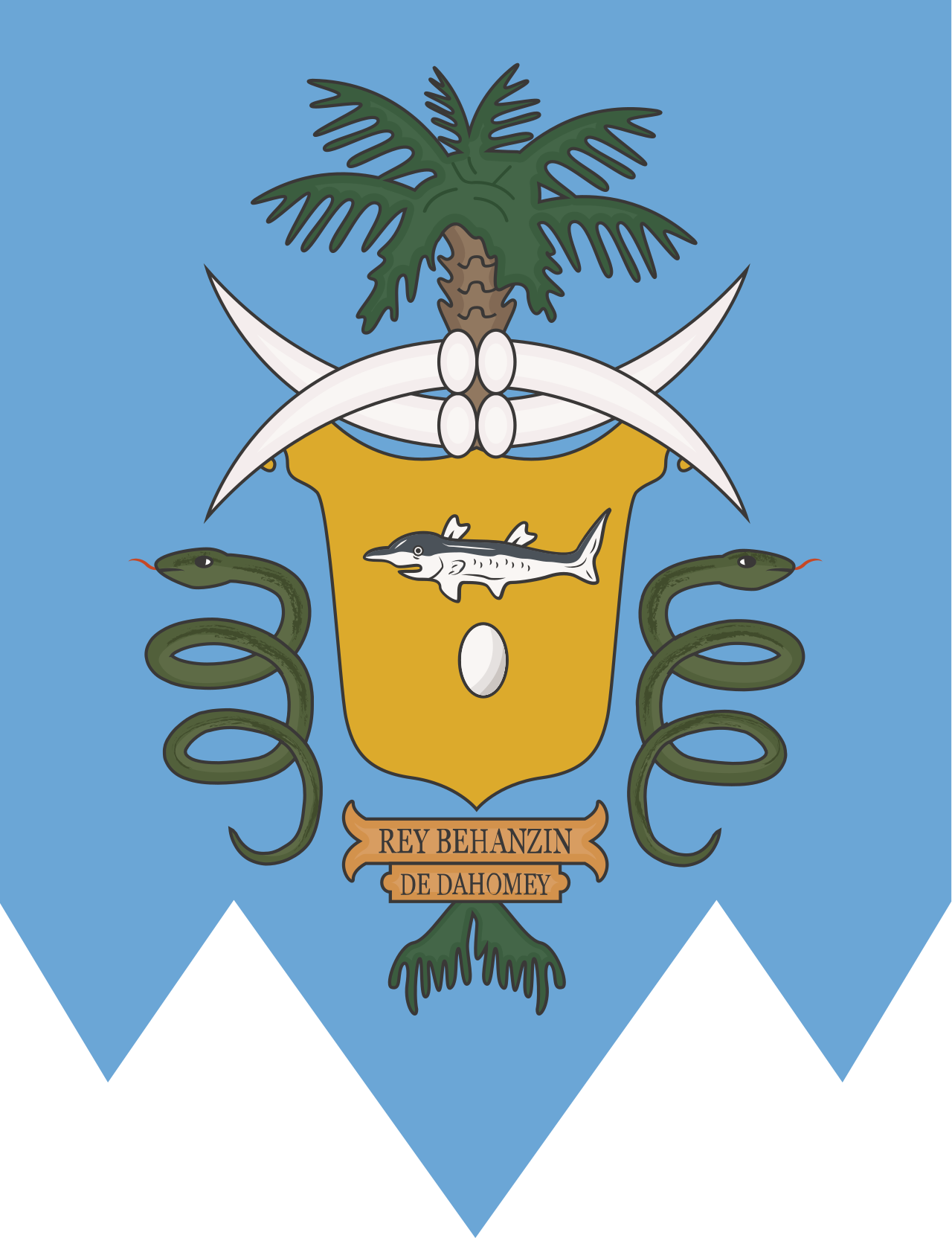
The Kingdom of Dahomey was a highly militarized Fon state in what is now the Republic of Benin, flourishing from about 1600 until 1894, with its palace capital at Abomey. Born a small dependency of the coastal kingdom of Allada, it seized its independence in the 17th century under King Wegbaja and then, under King Agaja in the early 18th century, conquered Allada and the great slave port of Ouidah, commanding the coast Europeans called the Slave Coast.
Dahomey matters deeply to world history for its absolute, centralized monarchy and its most famous institution: the elite corps of women soldiers Europeans nicknamed the Dahomey Amazons, the Mino, who guarded the king, led his armies, and were feared across the region. The kings ran the state with remarkable discipline, counting their people and palm trees in regular censuses and monopolizing foreign trade.
For two centuries the kingdom's economy turned on war and the slave trade: Dahomey's armies raided deep into the interior, and its kings sold captives at Ouidah in exchange for guns and goods, even as they paid grudging tribute to the Oyo Empire until shaking it off in the early 19th century. Under King Ghezo, who reigned from 1818, the kingdom pivoted toward palm oil as the Atlantic slave trade waned, and its wealth showed in the bas relief adorned palaces of Abomey.
The end came from France: after disputes over the coast, French columns fought their way inland and captured Abomey in 1894, exiling the last independent king, Behanzin. Dahomey became a French colony, but its memory lives on in Benin, in the restored palaces of Abomey, and in the global fame of its women warriors.
 Britannica: Dahomey
 Humanities LibreTexts: 1.4: West Africa, 1300 – 1800AD
 UNESCO World Heritage Centre: Royal Palaces of Abomey
 PBS: Wonders of the African World - Episodes - Slave Kingdoms - Wonders