 Go Back

The Kingdom of Rwanda. The kingdom of Rwanda (c. 1600-1961) was one of the most centralized and enduring states of the African Great Lakes region. According to tradition, the kingdom was founded by Gihanga, the ancestor of the Nyiginya royal line, and over the centuries the Tutsi kings, the mwami, extended their rule over the hills of modern Rwanda. By the eighteenth and nineteenth centuries, under warrior kings such as Yuhi IV Gahindiro and Kigeli IV Rwabugiri, Rwanda had grown into a powerful military state dominating its neighbors.
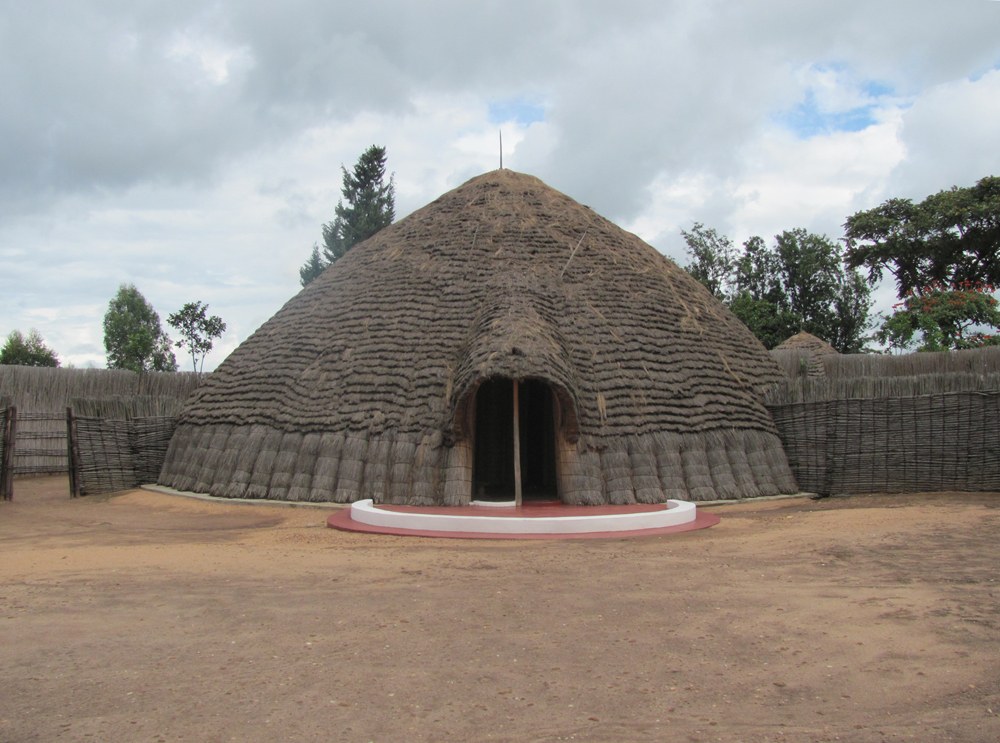
Rwandan society was organized around kingship, cattle, and clientship. The mwami was a sacred ruler, guarded by elaborate court ritual, and below him the people were ordered into lineages of Tutsi, Hutu, and Twa, bound together by the cattle clientship called ubuhake, in which a patron granted cattle in return for service. Armies of warriors, drawn from lineages across the kingdom, raided for cattle and defended the realm, while royal capitals moved among the hill courts, the most famous being Nyanza, with its great thatched royal palace.
European rule transformed and hardened the old order. Germany claimed Rwanda in the 1890s, and after the First World War Belgium ruled it together with Burundi as Ruanda-Urundi. The colonizers governed through the mwami and the Tutsi chiefs, and their rule, and later their favoritism toward one group and then the other, sharpened the divisions of Rwandan society. In 1959, as independence approached, a Hutu revolution overthrew the monarchy amid massacres of Tutsi, and the kingdom was abolished in 1961.
The legacy of the kingdom still shapes Rwanda. The social divisions codified under the monarchy and the colonial state fed the tragedies that followed, culminating in the genocide of 1994. Yet the old kingdom also left Rwanda its language, its unity as a nation, and symbols of statehood, from the royal drums to the palace at Nyanza, that Rwandans still claim as their heritage.
 Wikipedia: Kingdom of Rwanda
 Britannica: Kingdom of Rwanda
 English Historical Review: Antecedents to Modern Rwanda: The Nyiginya Kingdom
 Routledge: The Abanyiginya Kingdom