 Go Back

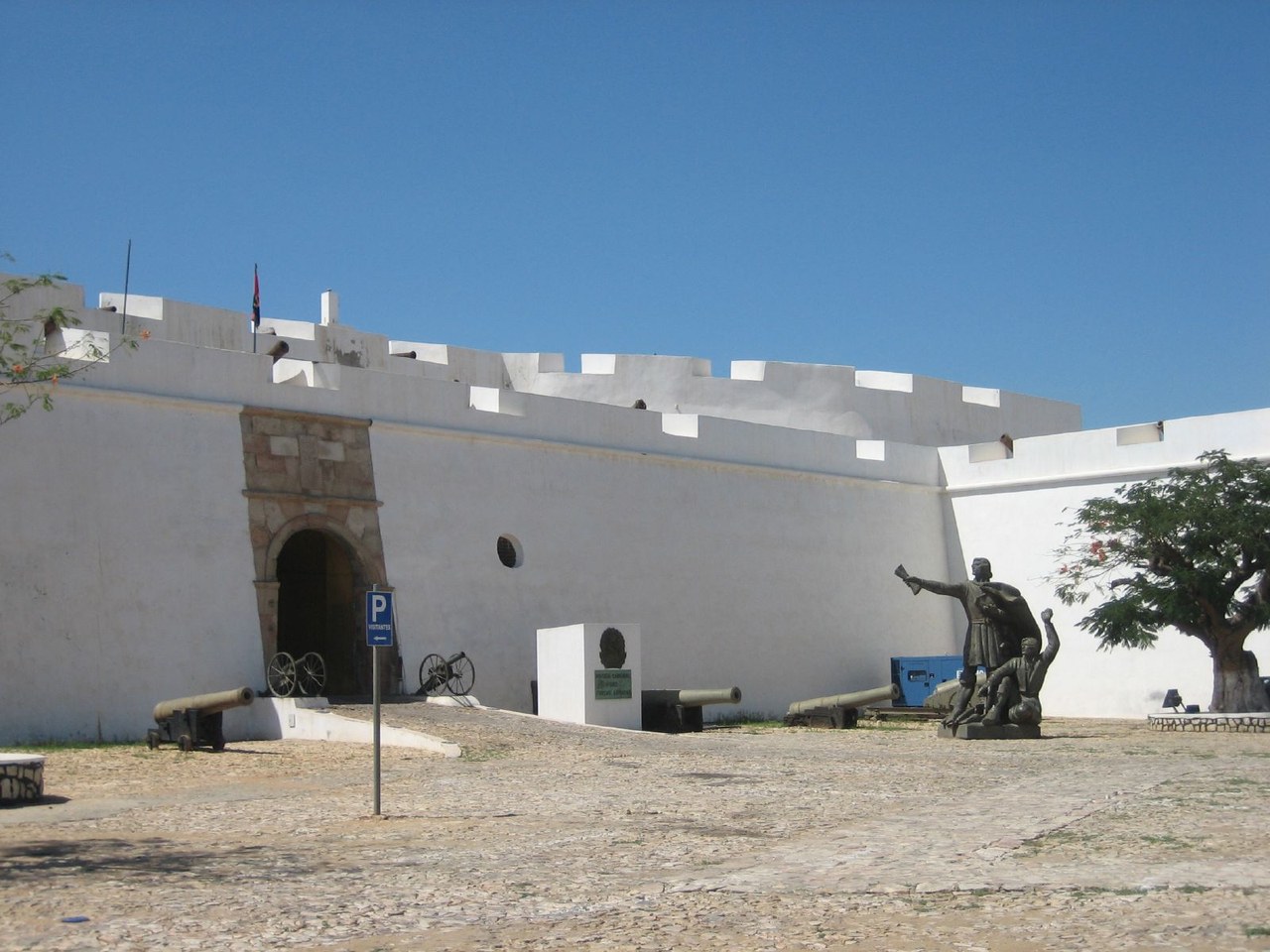
Portuguese Angola and Mozambique. The Portuguese colonies of Angola and Mozambique were the oldest and among the last European possessions in Africa. Portugal's presence dated to the late fifteenth century, when its ships reached the Kongo coast and the Swahili ports, and by 1575 Paulo Dias de Novais had founded Luanda, the base from which Portugal slowly pushed into the Angolan interior. In Mozambique, Portuguese rule spread from coastal towns such as Mozambique Island and Sofala up the Zambezi valley, where settlers held vast prazo estates.
For centuries the colonies rested on the slave trade. Angola became the largest single source of enslaved Africans carried across the Atlantic, above all to Brazil, and the trade devastated the peoples of the interior while enriching merchants and the coastal towns. When the Atlantic slave trade was finally suppressed in the nineteenth century, Portugal turned to territorial conquest: after the Berlin Conference it fought a series of campaigns to occupy the interior, crushing the kingdoms and peoples of Angola and Mozambique by the early twentieth century.
Twentieth-century rule was built on forced labor and settler privilege. African farmers were compelled to grow cotton and to work on plantations and roads, the labor drafts of Mozambique sent workers to the mines and estates of neighboring territories, and the scandal of contract labor shipped to the cocoa islands of Sao Tome drew international protest. Portugal kept education for Africans minimal, ruled through appointed administrators, and encouraged white settlement in the highlands of both colonies.
By the mid 1920s Portugal's 'pacification' campaigns had finally subdued the peoples of the interior, from the Ovimbundu of the Benguela plateau to the Barue of the Zambezi valley, whose great rising was crushed in 1917. Lisbon spoke of a civilizing mission, but Angola and Mozambique remained what centuries had made them: export economies worked by coerced African labor, among the oldest European possessions on the continent.
 Oxford Research Encyclopedias: Portuguese Colonialism in Africa
 Encyclopedia.com: Portugal's African Colonies
 Kawa African History: Portuguese Rule in Angola and Mozambique
 Cambridge History of Africa: Angola and Mozambique, 1870-1905