 Go Back
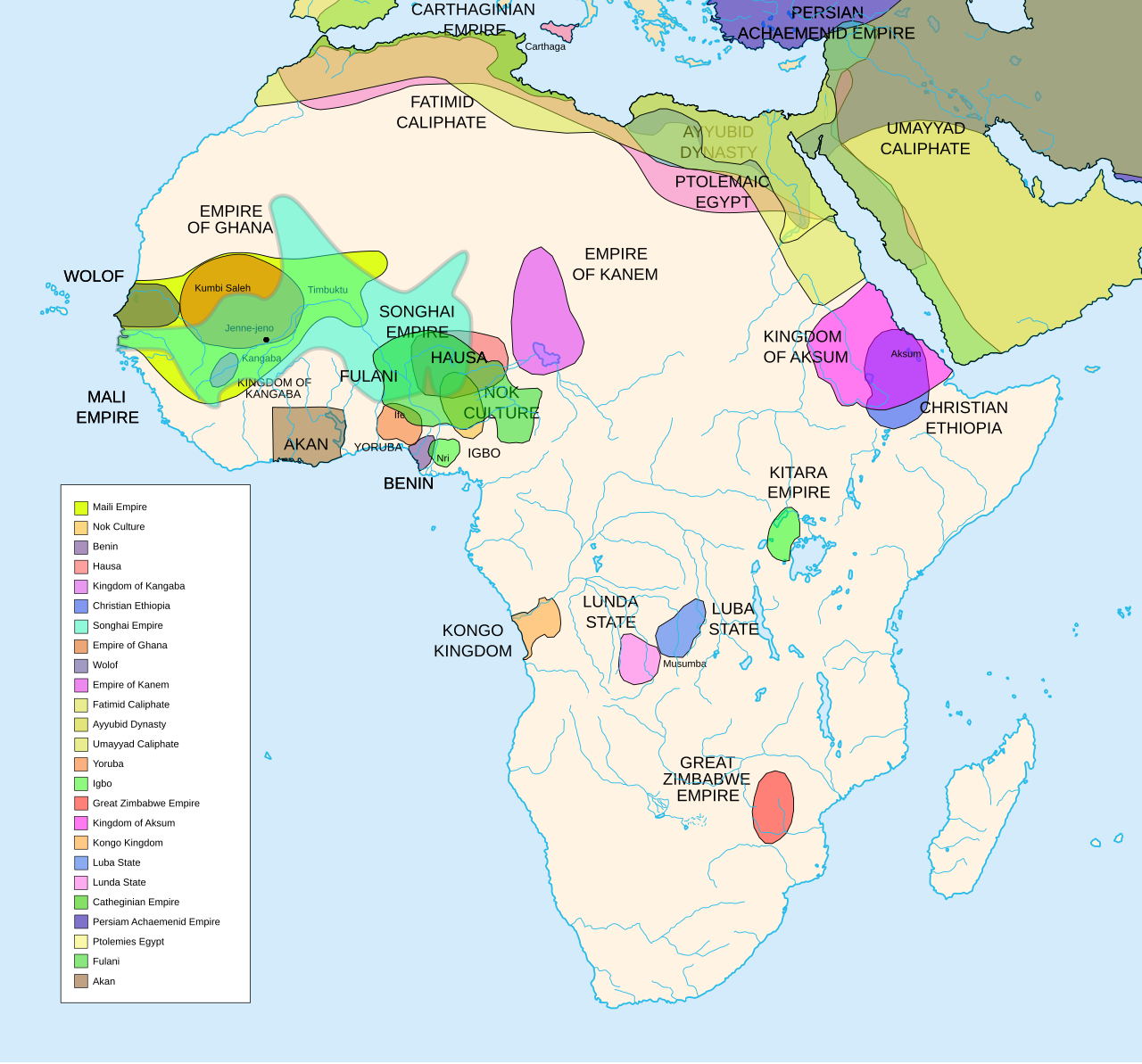
The Scramble for Africa. The Scramble for Africa was the rapid, aggressive invasion, occupation, and annexation of the African continent by Western European powers between 1881 and 1914. Formalized at the Berlin Conference of 1884–1885, European nations drew arbitrary international borders without regard for indigenous ethnic, linguistic, or political realities. This event is historically monumental because it transformed Africa from a continent composed primarily of sovereign native empires into a collection of foreign colonial possessions in under three decades.
Driven by industrial needs for raw materials, national prestige, and strategic rivalries, powers like Britain, France, Germany, Belgium, and Portugal used advanced artillery, repeating rifles, and steamships to systematically conquer African states. Indigenous resistance movements were crushed across the continent, with brutal colonial regimes extracting immense wealth through forced labor and economic exploitation. By 1914, only Ethiopia and Liberia retained their independence, leaving a lasting legacy of economic disruption and geopolitical fragmentation across the continent.