 Go Back

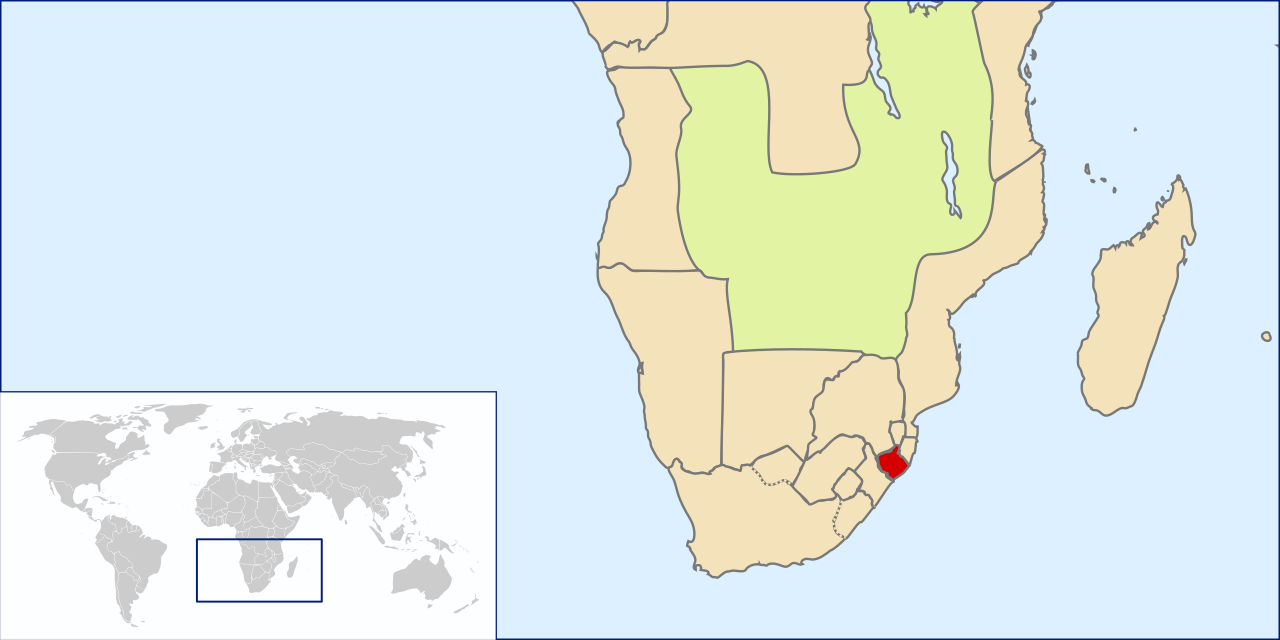
The Zulu Kingdom was a dominant military state that emerged in Southern Africa in the early 19th century under King Shaka Zulu, who ruled from 1816 to 1828. Born the exiled son of a minor Nguni clan chief, Shaka rose in the army of the Mthethwa, then returned to claim his father's throne and forge the small Zulu clan into the terror and admiration of a subcontinent. The kingdom matters because its rise reshaped the demography of half of southern Africa and its soldiers wrote one of the most famous chapters of resistance to European conquest.
Shaka revolutionized African warfare: he replaced the throwing spear with the short stabbing spear, the iklwa, paired with a large ox hide shield for close combat, and perfected the buffalo horns formation, the isiCwe, in which veteran chest and encircling horns enveloped and destroyed the enemy. Society itself was militarized, organized into age regiments, and royal expeditions marched yearly to seize cattle and tribute.
The shock waves traveled far: peoples fleeing Zulu power scattered north across the Drakensberg in the great upheaval called the Mfecane, the crushing, seeding new kingdoms as far as Zimbabwe, where Shaka's rival Mzilikazi founded the Matabele state, and beyond. After Shaka's assassination by his brother Dingane in 1828, the kingdom faced the Boers and then the British, its kings ruling from the royal kraal at Ulundi.
The end came in the Anglo Zulu War of 1879: King Cetshwayo's warriors annihilated a British column at Isandlwana, the worst defeat ever inflicted on a modern army by an African force, and held the line at Rorke's Drift the same night, but British reinforcements took Ulundi and divided the kingdom. Zululand was absorbed into South Africa in 1910, yet the Zulu remain South Africa's largest nation, and Shaka's name still commands the imagination of the world.
 Britannica: KwaZulu
 World History Encyclopedia: What made Zulu regiments so feared across Africa?
 BBC: BBC World Service
Britannica: Zulu