 Go Back

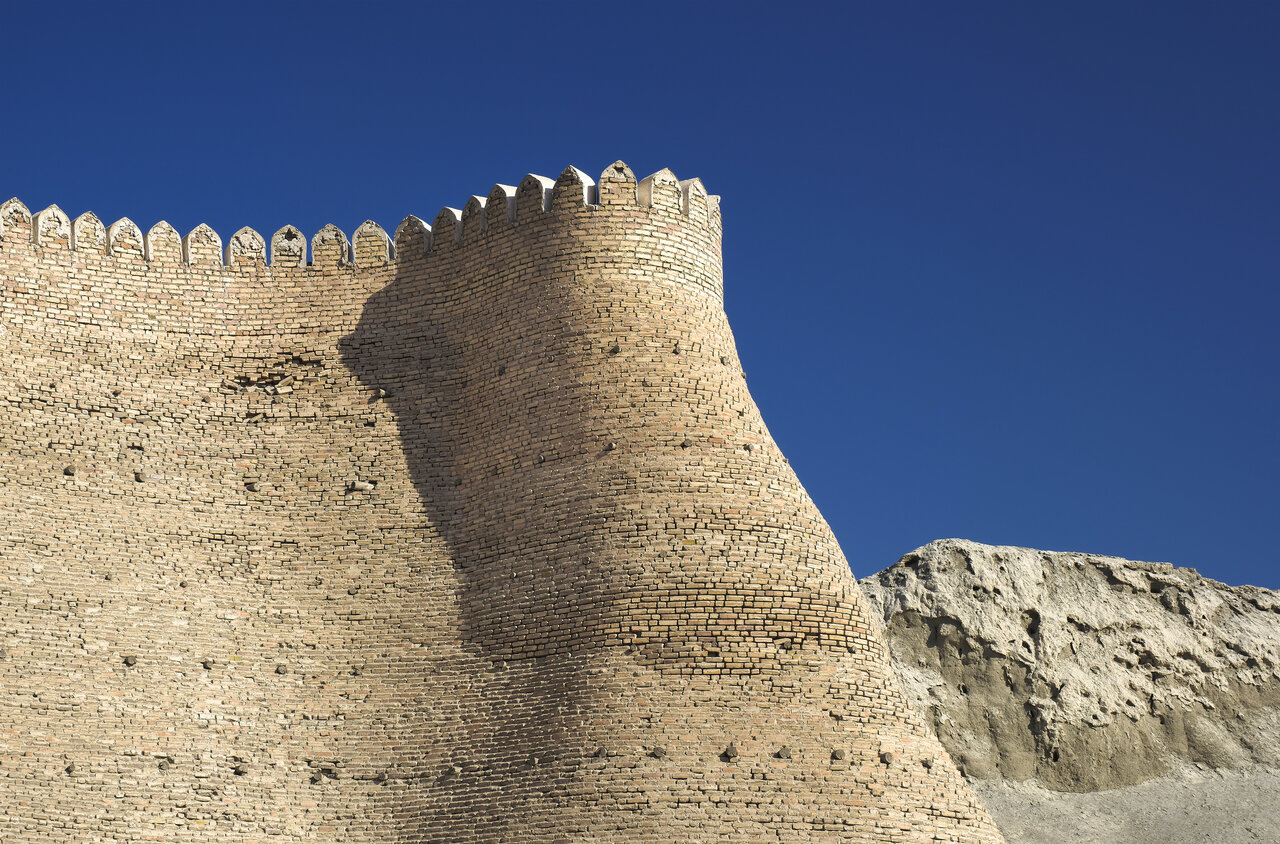
The Emirate of Bukhara. The Emirate of Bukhara (1785-1920) was the last Central Asian state of the ancient city of Bukhara, ruled by the Uzbek Manghit dynasty. When the Janid khanate collapsed, the Manghit ataliq Muhammad Rahim murdered his rivals and took the throne; his successors assumed the religious title emir, ruling Bukhara's shrunken territories - the Zeravshan valley, Samarkand (lost and partly recovered), and vassals toward the Pamirs - as a staunchly Sunni, Persian-speaking court.
Nineteenth-century Bukhara was famous and notorious in equal measure: its medressas - hundreds of them - still drew students from across the Islamic world; its bazaars traded astrakhan, cotton and slaves; and its emirs - above all the capricious Nasrullah Khan (r. 1827-1860), the 'Butcher Emir' - executed British envoys (Stoddart and Conolly, 1842, in the shadow of the Ark fortress) and ruled through fear, while the court glittered with poetry and intrigue.
Russia closed in: after taking Samarkand (1868), Russia made Emir Muzaffar a vassal, annexing half the emirate; the remainder survived as a protectorate, its emirs - isolated, reactionary, contemptuous of the reforming Jadid intellectuals Bukhara itself produced - drifting into the 20th century as a museum-piece despotism under Russian guarantee.
In 1920 the last emir, Alim Khan, fled before the Red Army's assault on the Ark; the short-lived Bukharan People's Soviet Republic was absorbed into the Soviet Union, and its lands divided between Uzbekistan and Tajikistan. Bukhara's emirate left the city's matchless medieval core - the Kalyan minaret, the Ark, the Lab-i Hauz - intact, a monument to the world Russia ended.
 Britannica: Bukhara
 Encyclopaedia Iranica: Manghits
Encyclopaedia Iranica: Bukhara: Khanate Period