 Go Back

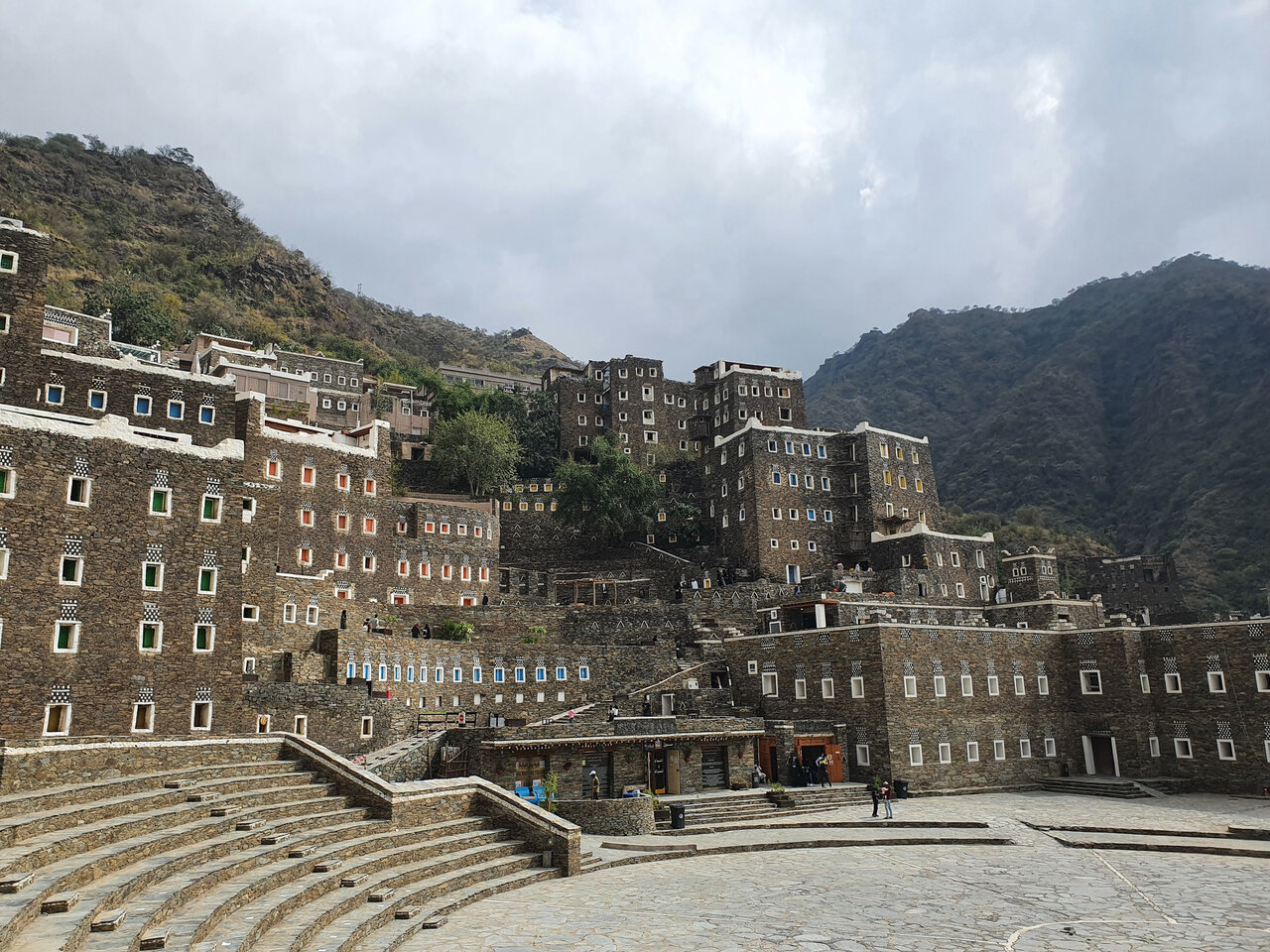
The Idrisid Emirate of Asir. The Idrisid Emirate of Asir, founded in 1909, was a short-lived theocratic state on the Red Sea coast of southwestern Arabia. Its founder, Muhammad ibn Ali al-Idrisi - a descendant of the Prophet through the Idrisids of Morocco, educated in Fez at the Sanusi order's feet - raised the tribes of Asir in revolt against Ottoman rule from 1909, and by 1911 his fighters held the Tihama coast and its ports, with Italy's quiet support.
In the First World War the emir threw in his lot with Britain: subsidized as an ally of the Arab Revolt, his forces besieged Ottoman garrisons and held the coast, and at the war's end the Idrisid state - recognized by Britain - controlled Asir from the Hejaz border to Yemen, its capital at Sabya. But the emir had two giants for neighbors: Imam Yahya of Yemen to the south and Abd al-Aziz ibn Saud, the rising master of Najd, to the north - and both coveted Asir.
The end came slowly. Al-Idrisi's death in 1920 left his state to minors and feuding uncles, and the emirate's quarrels invited its neighbors in: Imam Yahya of Yemen pressed Asir's southern districts, while Abd al-Aziz ibn Saud, fresh from destroying the Rashidi emirate of Hail in 1921, drew the emir's own family into his orbit. By 1924 the Idrisid state was still standing, and Britain still dealt with it as a government, but its room to maneuver between Sanaa and Riyadh was visibly shrinking.
The Idrisids' experiment mattered beyond its years: it was a revival, in the twentieth century, of the old Arabian imamate tradition - a sayyid of the Prophet's house raising the tribes in his own name - and its fate would help decide where the frontier between Yemen and the rising Saudi power was drawn.
 Britannica: Asir
Britannica: History of Arabia
Britannica: Saudi Arabia