 Go Back

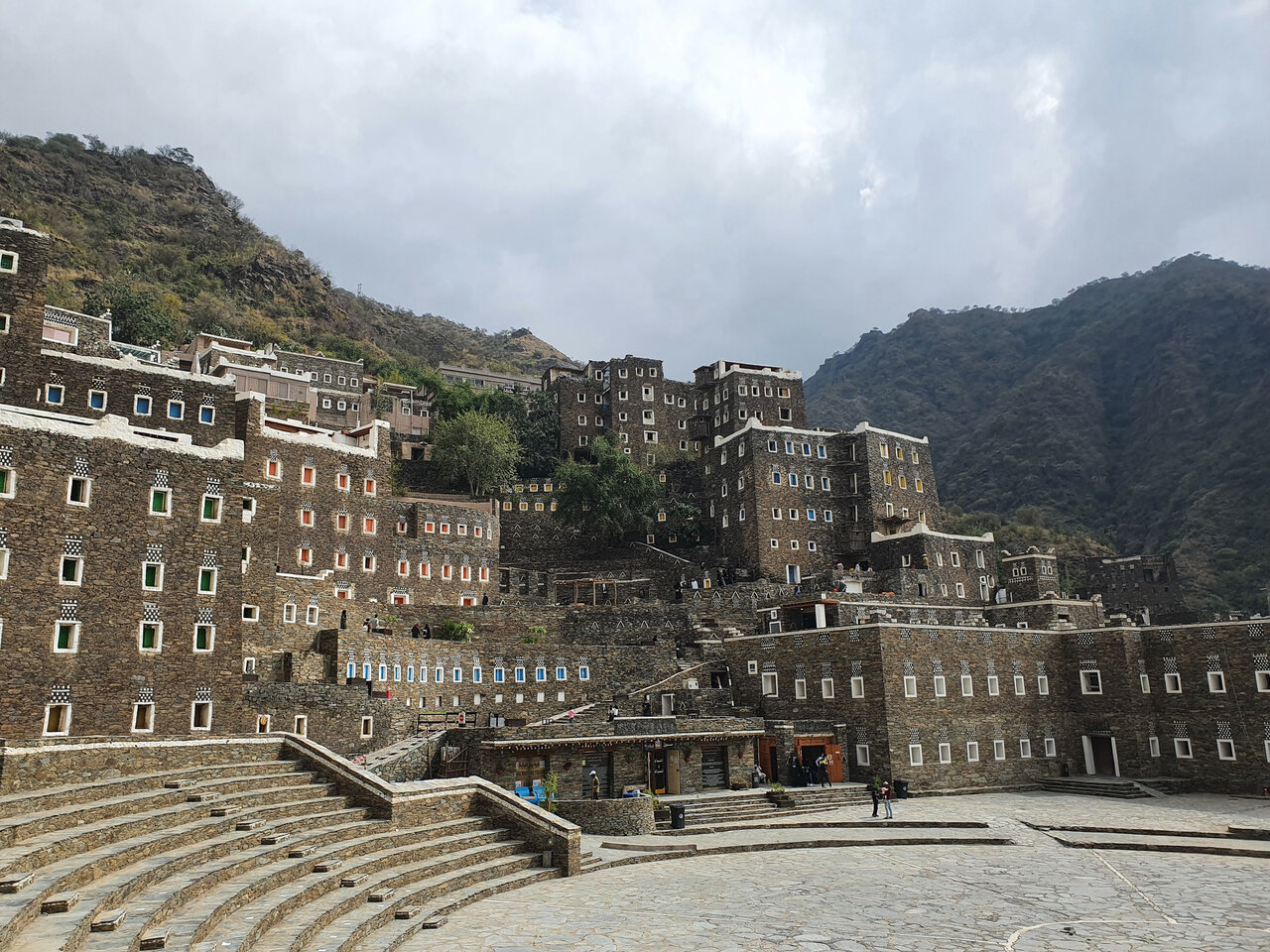
The Idrisid Emirate of Asir. The Idrisid Emirate of Asir (1909-1934) was a short-lived theocratic state on the Red Sea coast of southwestern Arabia. Its founder, Muhammad ibn Ali al-Idrisi - a descendant of the Prophet through the Idrisids of Morocco, educated in Fez at the Sanusi order's feet - raised the tribes of Asir in revolt against Ottoman rule from 1909, and by 1911 his fighters held the Tihama coast and its ports, with Italy's quiet support.
In the First World War the emir threw in his lot with Britain: subsidized as an ally of the Arab Revolt, his forces besieged Ottoman garrisons and held the coast, and at the war's end the Idrisid state - recognized by Britain - controlled Asir from the Hejaz border to Yemen, its capital at Sabya. But the emir had two giants for neighbors: Imam Yahya of Yemen to the south and Abd al-Aziz ibn Saud, the rising master of Najd, to the north - and both coveted Asir.
The end came in stages. Al-Idrisi's death in 1920 left minors and family feuds; Ibn Saud's pressure tightened through the 1920s; in 1926 the emir accepted Saudi protection, and in 1930 the emirate was absorbed outright - its last scion's 1932 revolt crushed - while Yemen and Saudi Arabia fought the brief war of 1934 over the spoils, settled by the Treaty of Taif, which gave Asir to Saudi Arabia.
The Idrisids' quarter-century was a footnote with a long afterlife: Asir's incorporation fixed Saudi Arabia's southwestern border, the Yemeni claims it left behind resurfaced in later border wars, and the emirate remains a rare example of an early-20th-century revival of the Prophet's-descendant imamate tradition in Arabia.
 Britannica: Asir
Britannica: History of Arabia
Britannica: Saudi Arabia