 Go Back
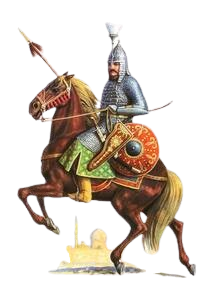

The Joseon Dynasty (Korea). The Joseon Dynasty was a highly stable, deeply Confucian kingdom that ruled the entire Korean peninsula for over five hundred years, from 1392 to 1897. Founded by the brilliant general Yi Seong-gye, the state completely heavily modeled its bureaucracy and strict social hierarchy entirely on neighboring Ming Dynasty China. This era is historically vital because it completely solidified modern Korean cultural identity and heavily promoted a highly educated scholar official class. Their absolute greatest king, Sejong the Great, famously invented Hangul, the incredibly logical and completely unique Korean alphabet.
The kingdom suffered through incredibly devastating, massive invasions by the Japanese in the late 16th century and the Manchus in the 17th century. To completely protect their deeply battered society, Joseon completely isolated itself from the outside world, earning the famous nickname the Hermit Kingdom. This strict isolationism eventually left them completely vulnerable to the aggressive, rapidly modernizing imperial powers of the 19th century. After decades of heavy foreign interference and deeply violent internal power struggles, the weakened state was completely annexed by the heavily militarized Japanese Empire in 1910.