 Go Back

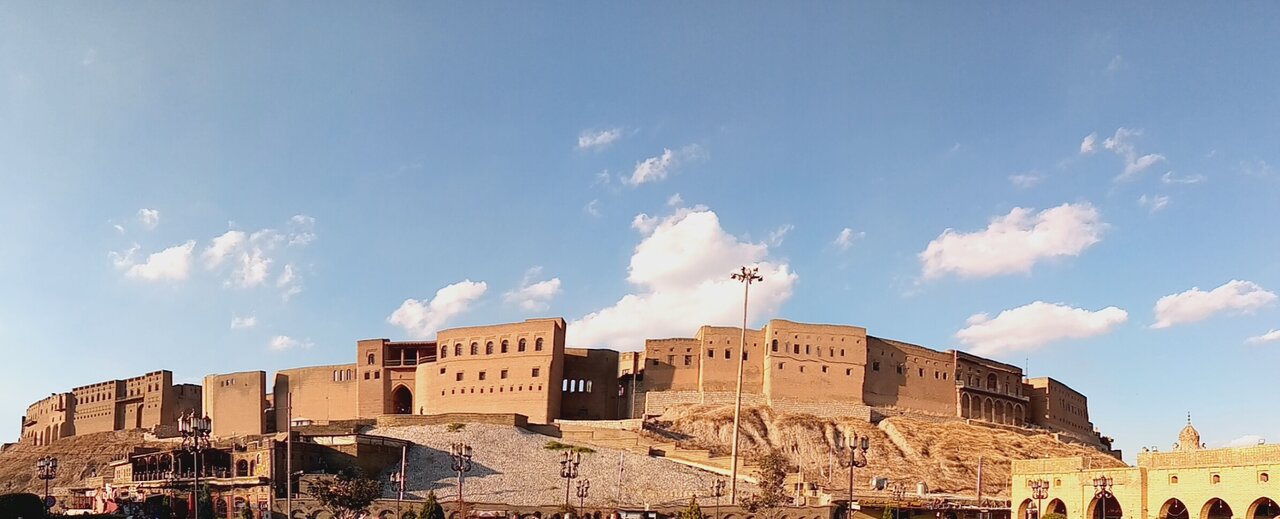
The Kurdish Emirates. The Kurdish emirates (16th-19th centuries) were the semi-independent principalities of Kurdistan, the mountain lands between the Ottoman and Persian empires. When Sultan Selim I defeated the Safavids at Chaldiran (1514), the Kurdish beys chose Ottoman suzerainty - brokered by the scholar-negotiator Idris Bitlisi - in return for hereditary rule: for three centuries, emirates like Bitlis, Hakkari, Bahdinan (Amadiya), Soran, Baban and Bohtan governed themselves, paid tribute and soldiers when it suited them, and warred with each other and the empires on their own account.
The emirates produced a genuine Kurdish high culture. Bitlis under the Sharif khans built its citadel-town and patronized the great Sharafnama (1596), Sharaf Khan Bidlisi's history of the Kurdish dynasties - the first national history of the Kurds. Hakkari and Bahdinan sheltered scholars, dervish orders and the Yezidi communities; the Baban emirs built Sulaymaniyah (1784) into a capital of Kurdish poetry; and the emirs' courts kept Kurdish - in the Hawrami and Kurmanji tongues - a language of letters.
The 19th century destroyed them. Bedr Khan Beg of Bohtan's empire-building - his conquests across Hakkari and the 1843 massacres of the Nestorian Christians - provoked Ottoman intervention (1847) and his exile; the Soran emirate of the 'Blind Emir' Muhammad Pasha of Rawandiz had already been crushed (1836); and the Baban emirate fell in 1850. The Tanzimat state absorbed Kurdistan into directly ruled provinces, leaving leadership to the religious sheikhs - Naqshbandi and Qadiri - whose revolts (1880, and later Barzan and Shaykh Said) replaced the emirs'.
The emirates' memory - self-rule, the Sharafnama's claim to a Kurdish nation, the lost capitals - fed the Kurdish nationalism that emerged precisely from their ruins, and underlies Kurdish politics in Turkey, Iraq, Syria and Iran today.
 Britannica: Kurd
 Encyclopaedia Iranica: Bedir Khan
Encyclopaedia Iranica: Studies of Modern Kurdish History