 Go Back

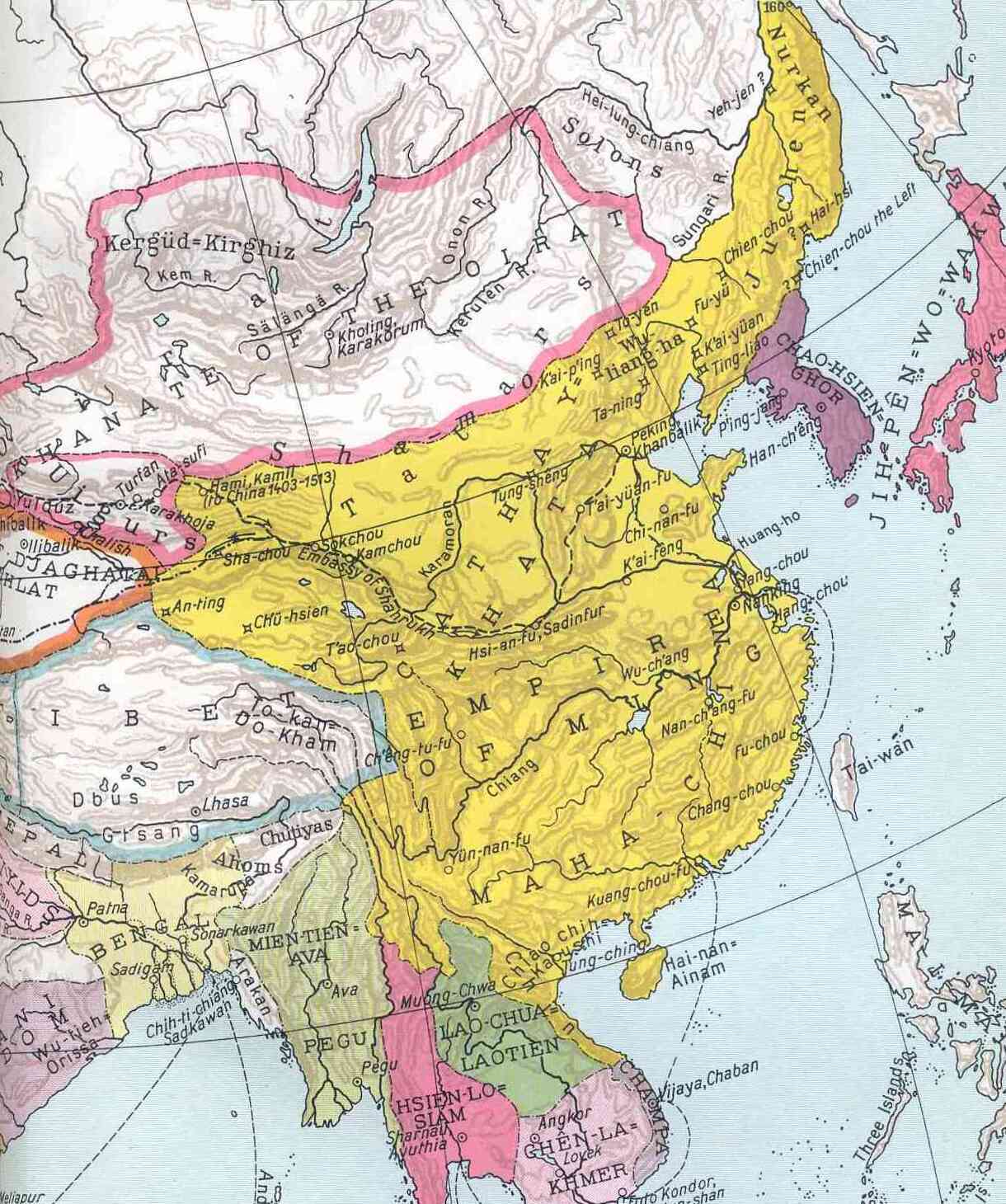
The Ming Dynasty. The Ming Dynasty was a highly conservative, deeply isolationist Chinese empire that ruled from 1368 to 1644, directly following the expulsion of the Mongols. Founded by a poor peasant turned rebel leader, the dynasty strictly reinstated traditional ethnic Chinese cultural norms and the deeply rigid Confucian civil service system. This era is historically famous for undertaking massive construction projects, completely rebuilding the Great Wall of China into the massive stone structure seen today and constructing the magnificent Forbidden City in Beijing.
During the early 15th century, the Ming famously funded the incredible treasure voyages of Admiral Zheng He, projecting massive naval power completely across the Indian Ocean. However, later emperors abruptly burned the fleet and heavily restricted all international trade to focus strictly on internal stability. This intense isolationism eventually led to severe technological stagnation. The dynasty slowly crumbled under the weight of massive government corruption, disastrous famines, and endless peasant rebellions, allowing the northern Manchu tribes to easily breach the Great Wall and seize the capital.