 Go Back

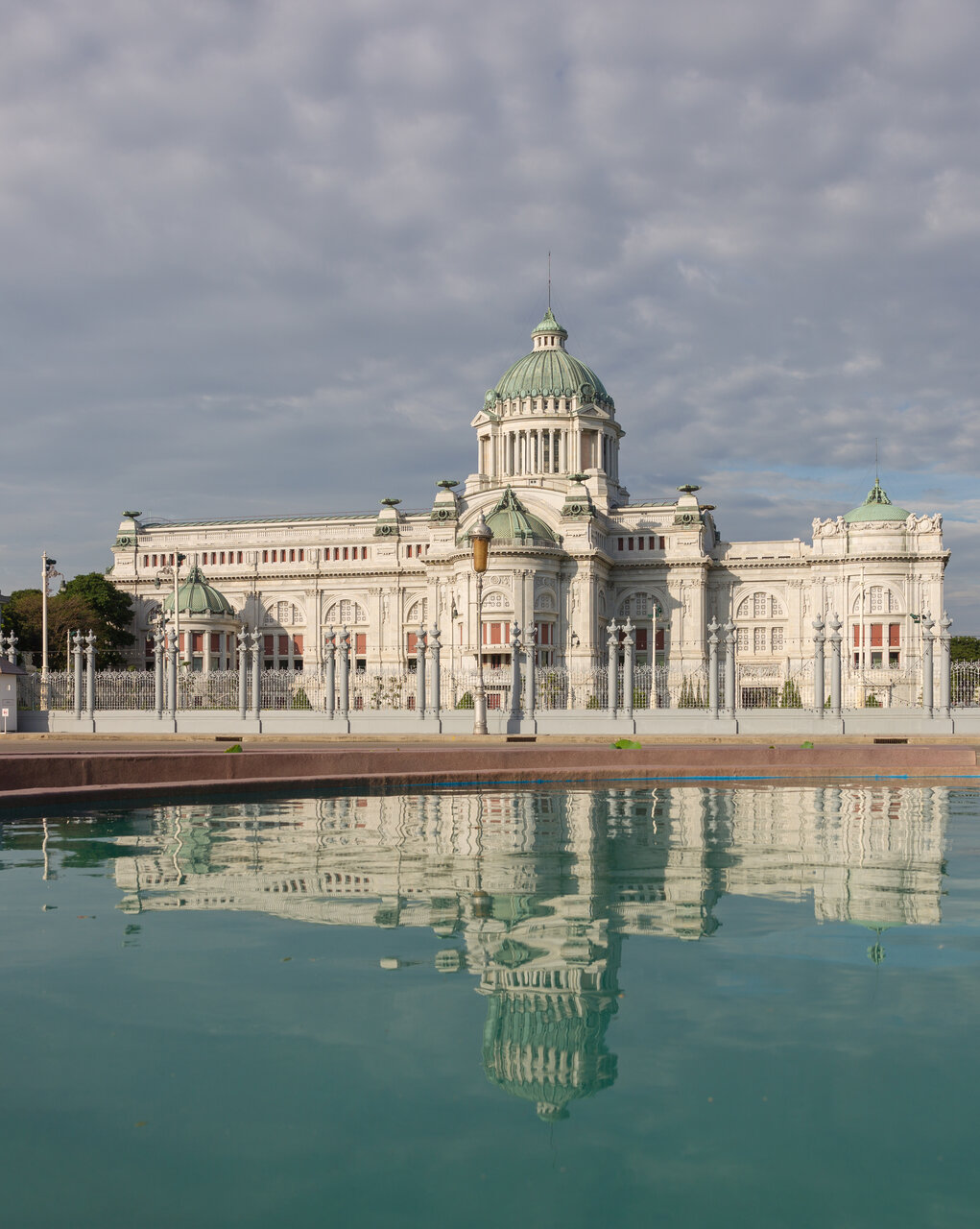
The Modernization of Siam. Siam's nineteenth- and early twentieth-century modernization under the Chakri kings Mongkut (Rama IV) and Chulalongkorn (Rama V) made it the only Southeast Asian state never colonized. Mongkut - the scholarly monk-king who had studied English, Latin and astronomy during his 27 years in the monkhood - opened the kingdom deliberately: treaties with Britain (the Bowring Treaty, 1855) and the Western powers fixed low tariffs and extraterritoriality but bought peace, while he hired Western advisers, reformed the calendar and court, and patronized a Buddhist revival.
His son Chulalongkorn (r. 1868-1910) carried reform to the bone: he abolished slavery and the corvee by stages, created ministries, a salaried bureaucracy and a conscript army on Western models, built railways, telegraphs and modern law codes, sent princes to Europe, and centralized the kingdom's outlying tributaries under royal commissioners - while surrendering, with bitter calculation, the periphery to save the core: Laos to France (1893), the Cambodian provinces (1907), the four Malay states to Britain (1909).
The strategy worked: Siam's kings made themselves indispensable to the balance between British Burma and French Indochina, modernized just enough to be treated as civilized, and kept their throne. Bangkok was transformed - Dusit palaces, tramways, the royal temples restored - and a Western-educated elite of princes and commoners staffed the new state.
The price was a contradiction: absolute monarchy had modernized the country, and modernization had created the very classes - officers, officials, Western-educated commoners - who wanted a share of power. Vajiravudh (Rama VI, who became king in 1910) answered with royal nationalism: he founded the paramilitary Wild Tiger Corps to bind the army to the throne, wrote and staged patriotic pageants, brought Siam into the First World War on the Allied side in 1917, and founded Chulalongkorn University in his father's name - but his extravagance and his favorites strained the treasury and alienated the officers the reforms had trained. By 1924 the modernized kingdom faced the questions its own success had raised.
 Britannica: Chulalongkorn
Britannica: Chakkri Dynasty
Britannica: History of Thailand