 Go Back
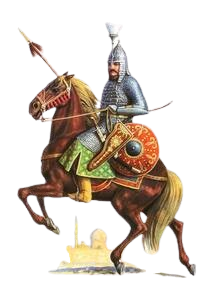
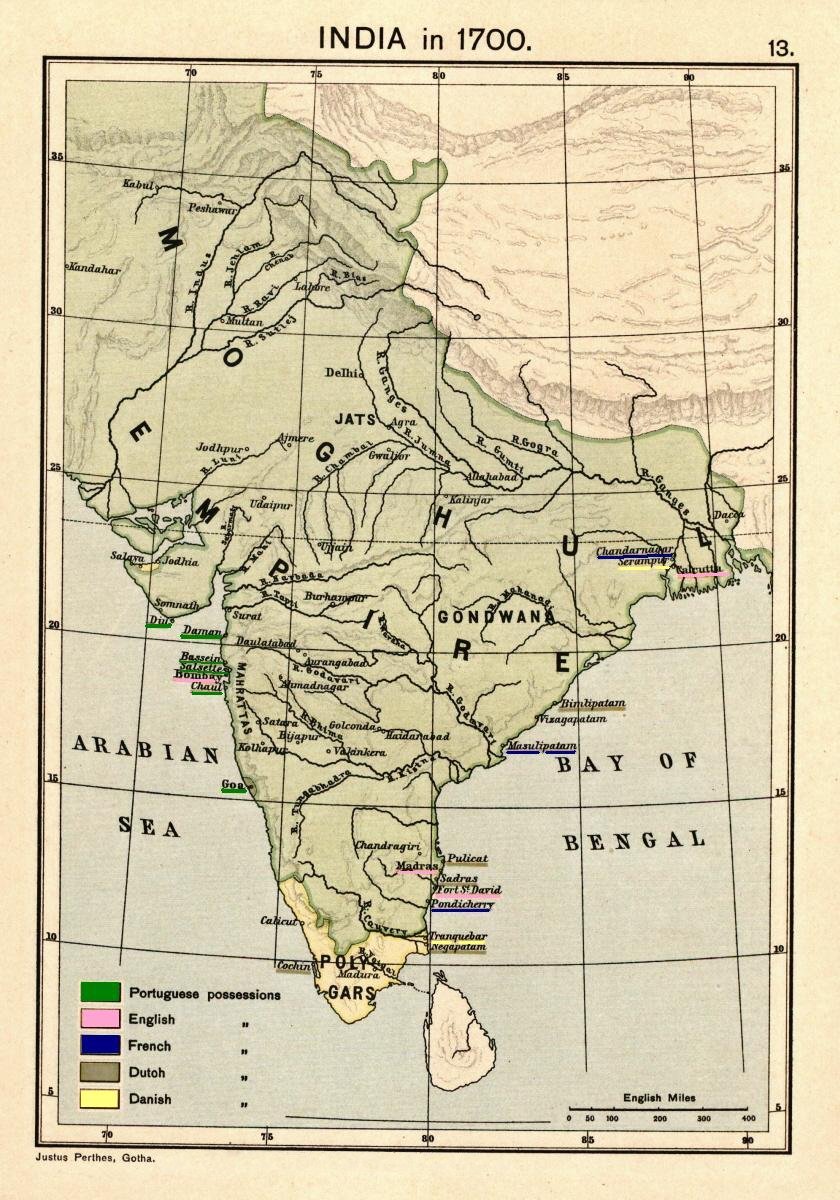
The Mughal Empire. The Mughal Empire was a magnificent Islamic state that ruled over nearly the entire Indian subcontinent from 1526 to 1857. Founded by Babur, a direct descendant of Genghis Khan and Timur, the empire combined Persian cultural refinement with local Indian traditions. This civilization matters deeply because it produced an incredible golden age of Indo-Islamic architecture, most famously culminating in the breathtaking Taj Mahal. They also established a highly efficient, centralized administrative system and an enormous economy that accounted for nearly a quarter of global manufacturing.
The empire reached its absolute territorial peak in the late 17th century under the deeply conservative Emperor Aurangzeb. However, his endless, exhausting wars in southern India and his harsh religious policies completely alienated his Hindu subjects and drained the imperial treasury. After his death, the empire rapidly decentralized as regional governors essentially became independent kings. The central Mughal authority eventually withered away to nothing, leaving a chaotic power vacuum that was quickly exploited by local powers and, ultimately, British corporate interests.