 Go Back

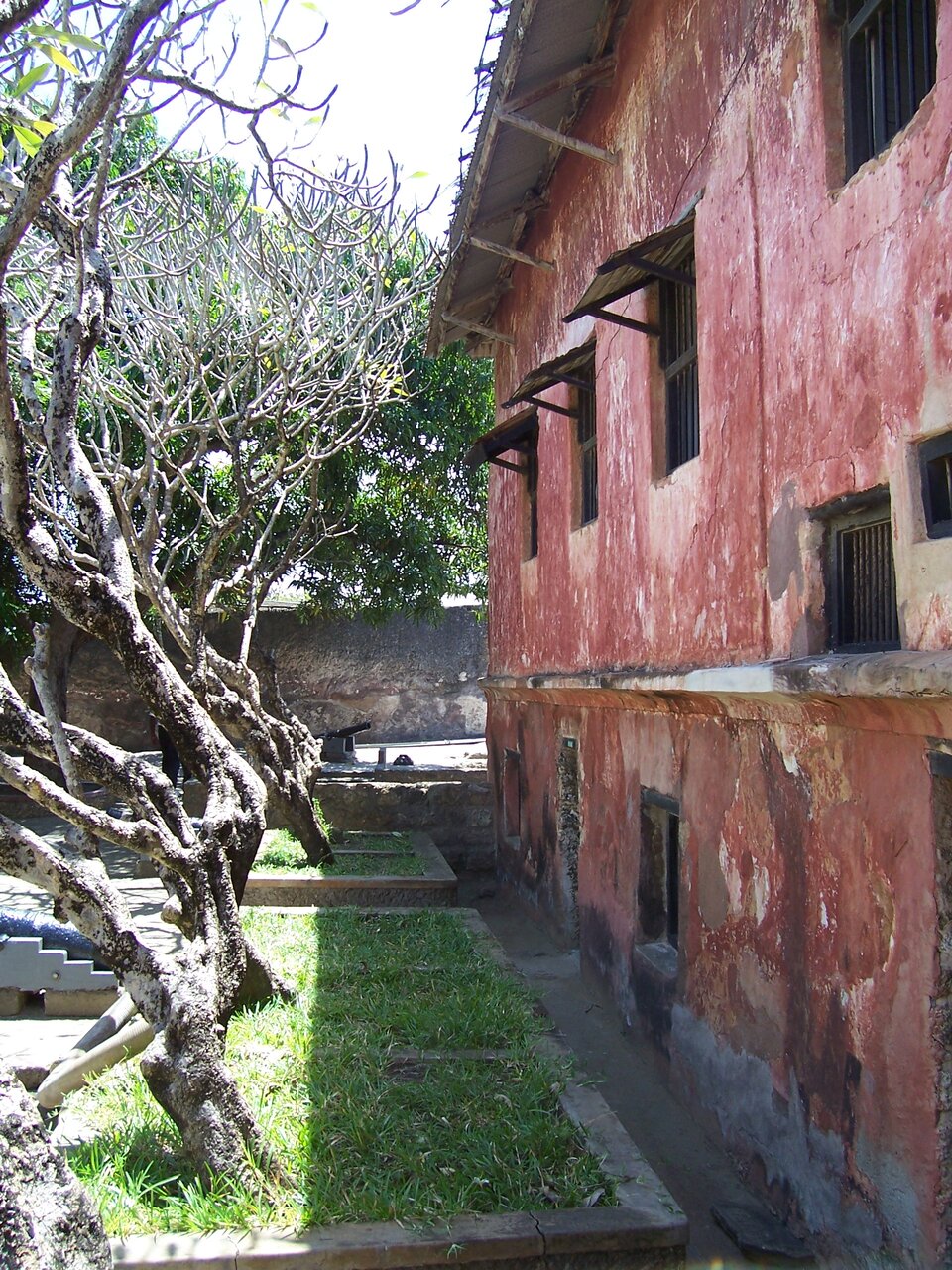
The Omani Empire. The Omani Empire (1698-1856) made Oman the greatest maritime power of the western Indian Ocean. After expelling the Portuguese from Muscat (1650), the Ya'rubi imams took the war overseas: in 1698 an Omani fleet stormed Fort Jesus and drove Portugal from Mombasa, beginning Oman's long rule over the Swahili coast. Under the Al Bu Said dynasty - founded 1744 and reigning in Oman to this day - the sultanate grew rich on Gulf trade, dates, and the sea.
The empire's architect was Sayyid Said bin Sultan (r. 1806-1856), 'Said the Great': he made a treaty of commerce with the United States (1833) - America's first with an Arab state - and with Britain and France; built a navy of East-Indiamen that sailed to Zanzibar, Bombay and beyond; and progressively shifted his court to Zanzibar, the clove island he and his Omani Arab settlers transformed into the clove capital of the world and the hub of the East African ivory and slave trades. By 1840 Zanzibar, not Muscat, was his capital, and his writ ran from the Makran coast to Lake Tanganyika.
Omani Zanzibar was a cosmopolitan Arab-Swahili court: Stone Town's carved doors and palaces (the Beit al-Ajaib, 'House of Wonders') rose in Said's reign, alongside the brutal engine of its wealth - the slave markets and caravan routes deep into Africa, which British pressure slowly, and only late, closed down.
At Said's death in 1856 his sons split the empire - Thuwaini taking Muscat and Oman, Majid taking Zanzibar and the coast - under British arbitration. Both lines continued: the Zanzibar sultanate until the 1964 revolution, and the Al Bu Said of Muscat, whose descendant sultans - Said bin Taimur, then Qaboos and Haitham - rule Oman today, heir to the only non-European overseas empire of the 19th century.
 Britannica: Oman
Britannica: Al Bu Sa'id dynasty
Britannica: Hejaz