 Go Back

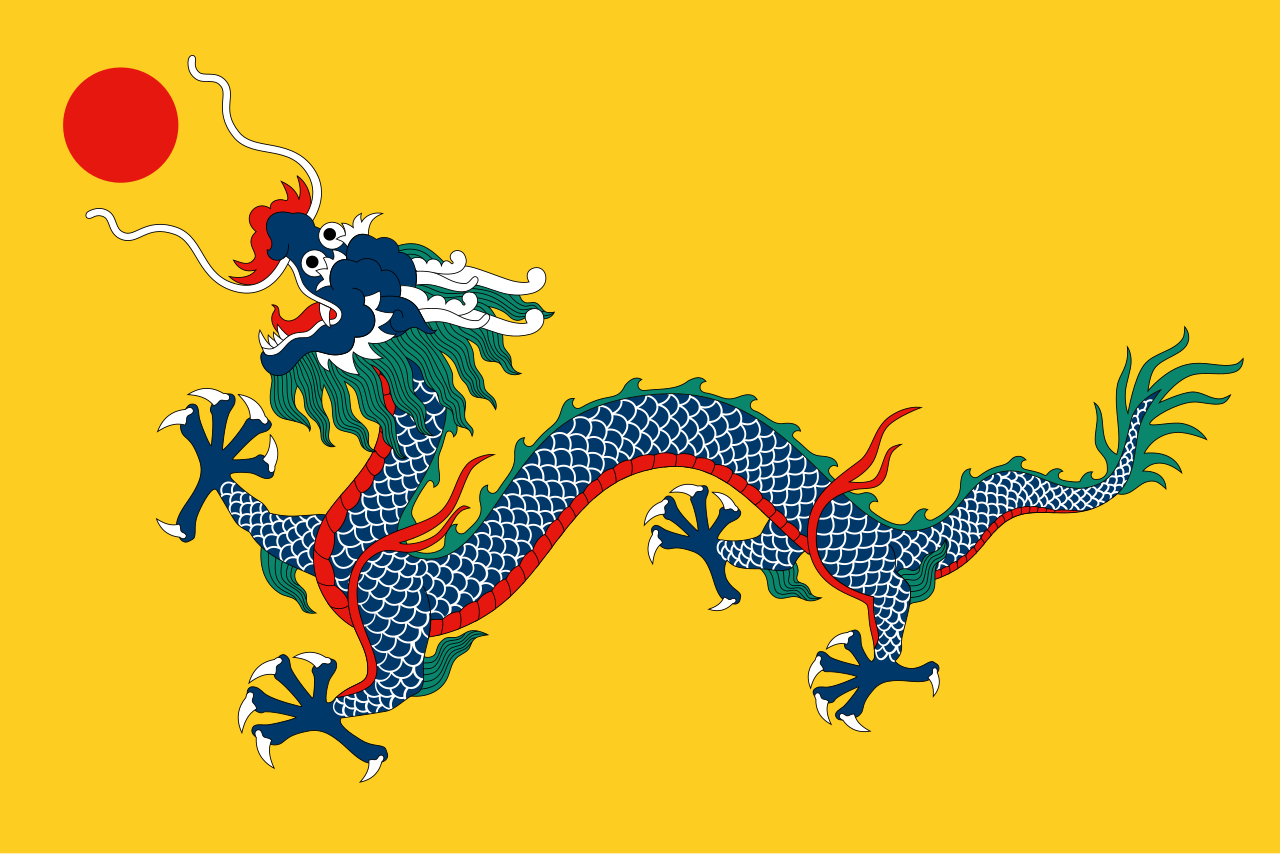
The Qing Dynasty. The Qing dynasty (1644-1912) was China's last imperial dynasty - and its largest. Founded by the Manchus, a people of the northeast whose leader Nurhaci had unified the Jurchen tribes into the Later Jin state in 1616, the Qing seized Beijing in 1644 when the Ming general Wu Sangui opened the Great Wall's Shanhai Pass to them, then ground down forty years of resistance to complete the conquest of China by 1683.
Under three extraordinary long-lived emperors the Qing reached its zenith. The Kangxi Emperor (r. 1661-1722) consolidated the empire and patronized Confucian scholarship; the Qianlong Emperor (r. 1735-1796) pushed its frontiers deep into Central Asia, destroying the Dzungar Khanate and adding Xinjiang, Mongolia, and Tibet. At its height the Qing ruled the most territory of any dynasty in Chinese history - in 1790 the fourth-largest empire the world had yet seen - and the most people: over 400 million.
The nineteenth century brought collapse from without and within. Defeat in the Opium Wars forced China open to unequal treaties, foreign treaty ports, and the 'century of humiliation'; the Taiping Rebellion (1850-1864) and other revolts killed more than 20 million people; and defeat by Japan in 1895 showed that even Asia no longer feared the dragon throne. Reform came too late and too slowly.
The end came in 1911-1912: the Xinhai Revolution swept the provinces, and in February 1912 the last emperor - the child Puyi - abdicated, ending not just a dynasty but two thousand years of Chinese monarchy. The Republic of China took over an empire the Qing had assembled, and modern China's borders are still essentially the ones the Manchu emperors drew.
 Britannica: Qing dynasty
 Humanities LibreTexts: 12.4: The Qing Dynasty
 Smarthistory: Qing dynasty (1644–1911), an introduction
 Smithsonian Institution: Qing dynasty (1644–1911)