 Go Back

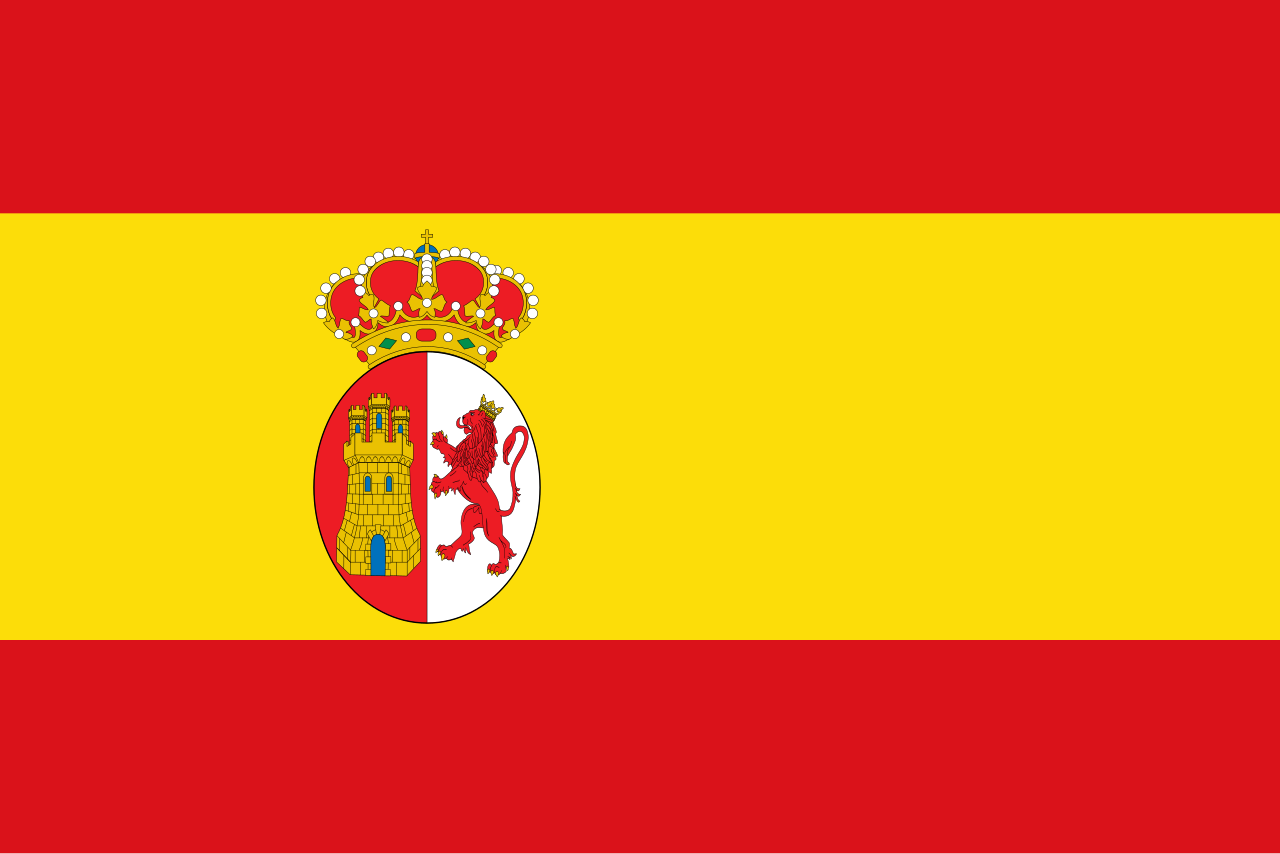
The Spanish East Indies. The Spanish East Indies - Spain's Asian empire, centered on the Philippines - lasted 333 years, from 1565 to 1898, the longest European colonial rule in Southeast Asia. Ferdinand Magellan had reached the islands in 1521 and died at Mactan; the conquest itself began in 1565, when Miguel Lopez de Legazpi sailed from Mexico, took Cebu, and in 1571 founded Manila as the capital. The whole archipelago was named for King Philip II of Spain.
The Philippines were ruled from across the Pacific: for over 250 years the islands belonged to the Viceroyalty of New Spain, governed from Mexico City, and were tied to America by the Manila galleon - the great annual ships that crossed the Pacific between Manila and Acapulco for two and a half centuries, carrying Mexican silver east and Chinese silk, porcelain, and spices west, in one of history's first truly global trade routes.
Spanish rule was thin - a small Spanish population ruling through friars and local chiefs - but its cultural impact was enormous: it converted most of the islands to Catholicism, built towns and universities, and welded hundreds of scattered chiefdoms into a single colony. The colony was even a financial drain on Spain, kept alive by an annual silver subsidy from Mexico.
The end came in 1896-1898: a Philippine revolution rose against Spain, and then the United States defeated Spain in the Spanish-American War. By the Treaty of Paris of December 1898, Spain sold the Philippines to the United States for twenty million dollars. Three centuries of Spanish rule ended - and the Filipinos, who had already proclaimed their independence, found themselves fighting a new colonizer instead.
 Britannica: Philippines - Spanish Colonization, Culture, Trade
 World History Encyclopedia: Colonial Government in the Spanish Empire
World History Encyclopedia: Manila Galleon
Britannica: Manila galleon