 Go Back

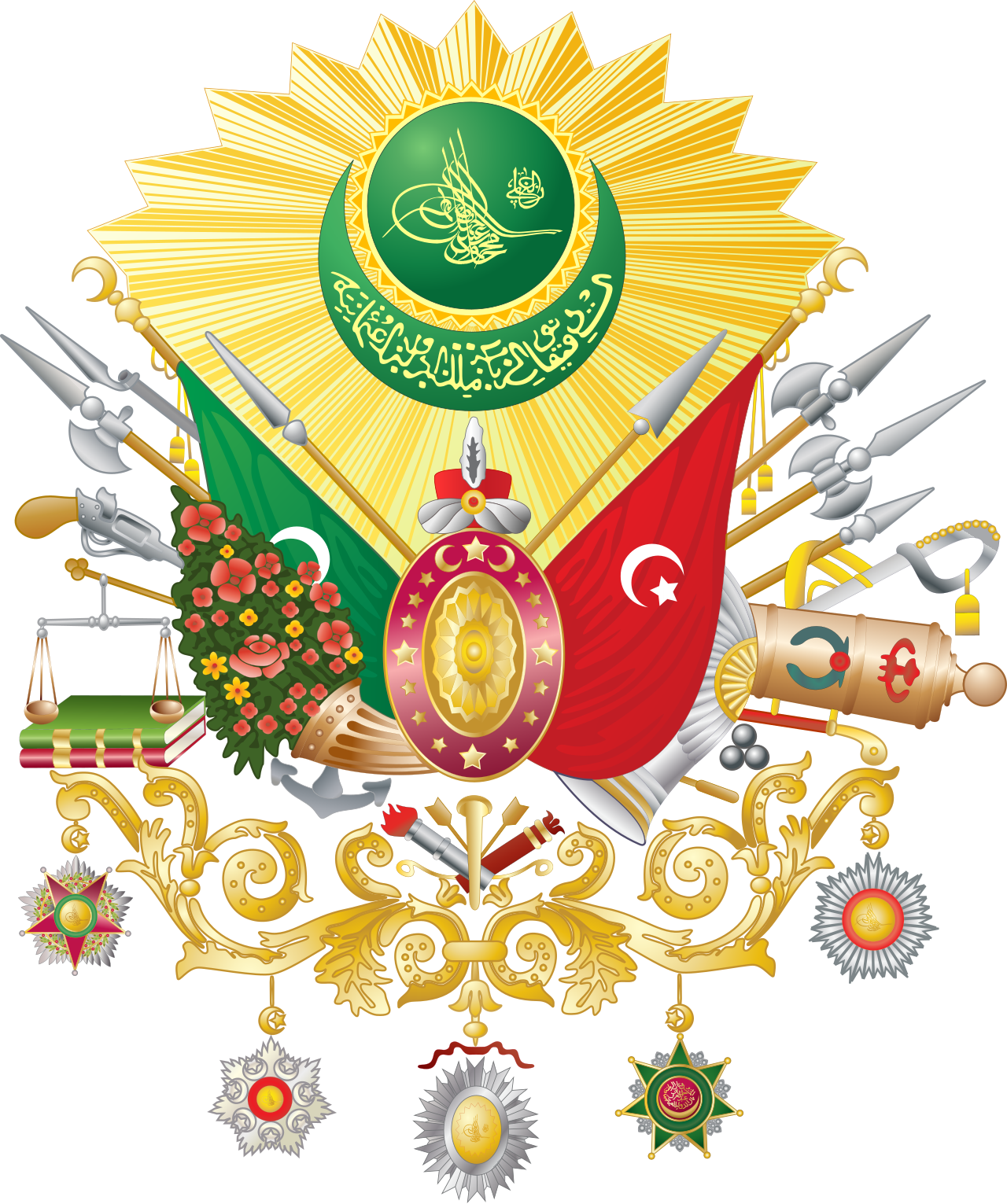
The Tanzimat Era. The Tanzimat Era was a period of intense, sweeping modernization reforms in the Ottoman Empire that lasted from 1839 to 1876. Driven by a desperate need to survive mounting European pressure and internal nationalist uprisings, Ottoman bureaucrats attempted to completely overhaul the state apparatus. This era matters immensely because it introduced profound changes like a modern postal system, telegraph networks, and a secular legal code heavily inspired by French law. Most importantly, the government officially guaranteed equality before the law for all subjects regardless of their religion.
These massive reforms successfully centralized power and modernized the military, but they completely failed to stop the steady loss of imperial territory in the Balkans. The intense financial cost of these new institutions, combined with constant warfare, forced the empire to borrow heavily from European banks, eventually leading to a humiliating state bankruptcy. The era culminated in the drafting of the very first Ottoman constitution in 1876. However, the new sultan quickly suspended the constitution and the parliament, returning the empire to absolute autocratic rule.