 Go Back

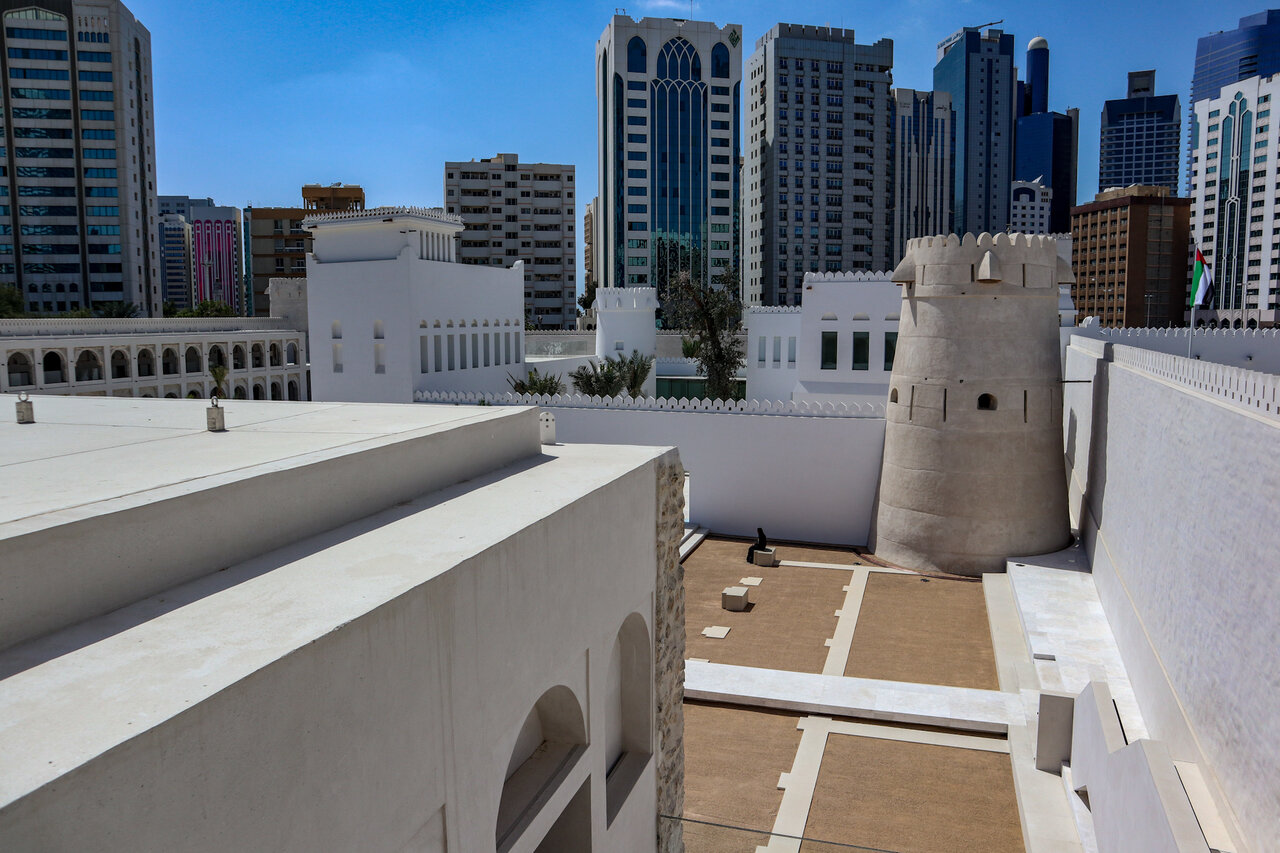
The Trucial States. The Trucial States (1820-1971) - the sheikhdoms of the lower Gulf that became the United Arab Emirates - take their name from the maritime truces Britain imposed on the 'Pirate Coast'. Through the 18th century the Qawasim confederation of Ras al-Khaimah and Sharjah dominated Gulf shipping and fought a long, ambiguous war - piracy to the British, legitimate maritime struggle to the Qawasim - with the East India Company, which destroyed Ras al-Khaimah's fleet in 1819.
In 1820 the sheikhs of the coast - the Qawasim of Sharjah and Ras al-Khaimah, the Bani Yas of Abu Dhabi and Dubai, and the other small sheikhdoms - signed the General Maritime Treaty with Britain, renouncing plunder and slavery at sea; the Perpetual Maritime Truce of 1853 made the peace permanent, and the sheikhdoms became the 'Trucial States'. In 1892 they accepted exclusive British protection of their foreign relations, leaving internal rule to the sheikhs - the Al Qasimi, Al Nahyan, Al Maktoum, Al Nuaimi, Al Mualla and Al Sharqi houses that rule the emirates still.
For a century the truce coast lived quietly on pearling - the great seasonal fleets of Dubai and Abu Dhabi - fishing and entrepot trade, until the cultured-pearl collapse of the 1930s devastated the economy. Then came oil: Abu Dhabi's first exports (1962) and Dubai's (1969) began the transformation; Dubai under the Al Maktoum had already built itself into the Gulf's trading port.
When Britain announced its withdrawal (1968), the seven sheikhdoms negotiated union: on 2 December 1971 six formed the United Arab Emirates under Sheikh Zayed of Abu Dhabi - Ras al-Khaimah joined in 1972. The Trucial treaty-system had lasted 150 years; its successor state turned the pearling coast into one of the richest countries on earth.
 Britannica: United Arab Emirates
Britannica: History of the United Arab Emirates
Britannica: Ras al-Khaimah