 Go Back

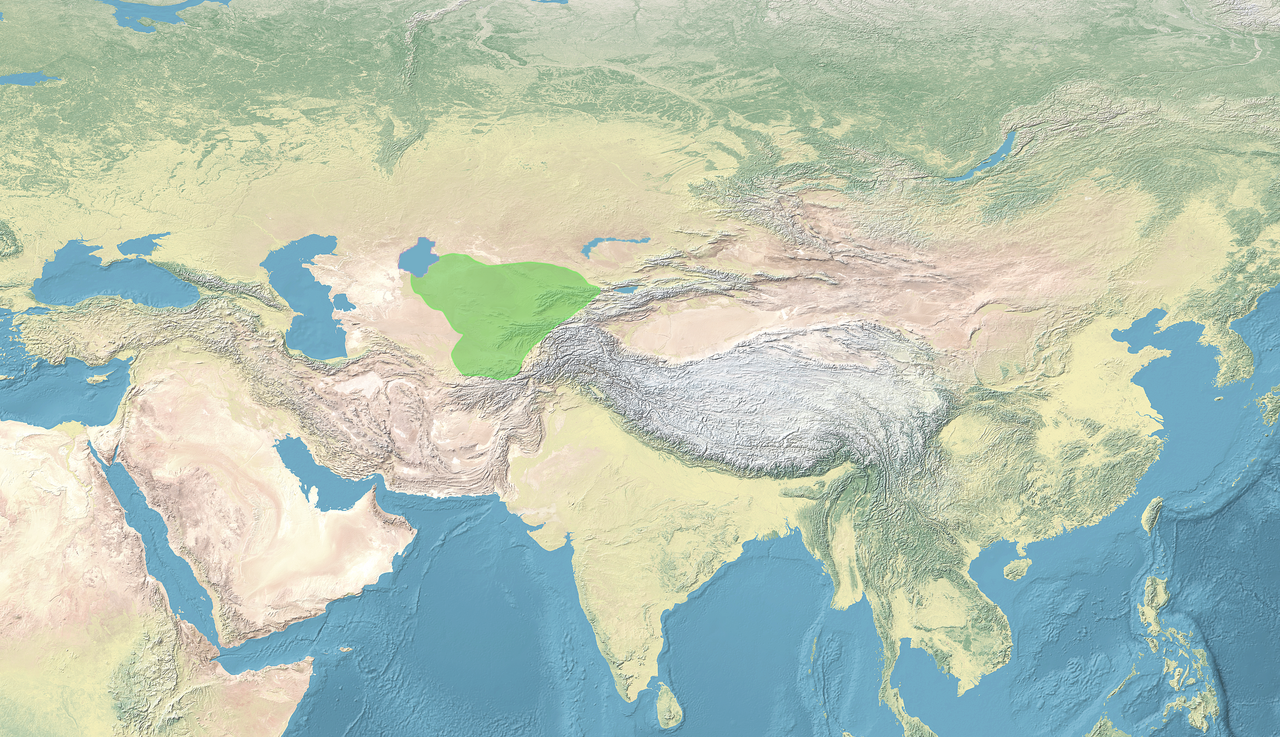
The Uzbek Khanate. The Uzbek Khanate was the power that remade Central Asia at the close of the Timurid age - and its successor states, the khanates of Bukhara, Khiva, and Kokand, ruled the oases of Turkestan until the Russian Empire swallowed them in the 19th century. The Uzbeks were steppe nomads of the Golden Horde's successor world, welded into a khanate in the 15th century by the Chinggisid prince Abu'l-Khayr. His grandson Muhammad Shaybani led them to empire: in 1500-1501 he conquered Transoxiana - Samarkand, Bukhara, Tashkent, and Balkh - from the last Timurids, founding the Khanate of Bukhara.
Under the Shaybanids and their successors the Janids (from 1599), Bukhara - made the permanent capital by Abdullah Khan II in 1562 - gave its name to the state, ruling Transoxiana's ancient cities of Samarkand, Tashkent, and Balkh. In 1740 the conqueror Nader Shah overran the khanate; after his death the Manghit clan seized power, and in 1785 Shah Murad replaced the khanate with the Emirate of Bukhara - its rulers taking the title emir since, not being descended from Genghis Khan, they could not claim the title of khan.
To the west, in the ancient land of Khwarazm, the Khanate of Khiva (1511-1920) ruled from the walls of Khiva, surviving as an Afsharid vassal in the 1740s and later as a Russian protectorate from 1873. To the east, the Khanate of Kokand (1709-1876) rose in the fertile Fergana Valley, fought off Dzungar invasions, and grew rich on irrigated agriculture and the trade between India and Russia - until Russian armies abolished it in 1876.
The khanates' world ended with the Russian conquest of Central Asia: Kokand annexed in 1876, Khiva and Bukhara reduced to protectorates, and both finally extinguished in 1920. But the Uzbek name they carried - from Abu'l-Khayr's steppe horde - lives on in modern Uzbekistan.
 Britannica: Shaybānid dynasty
 Encyclopaedia Iranica: ABU'L-KHAYRIDS
 Wikipedia: Uzbek Khanate
 EBSCO: Shaybānīd Dynasty