 Go Back
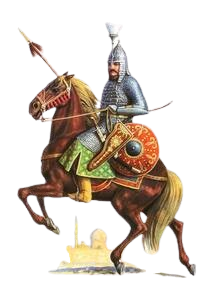
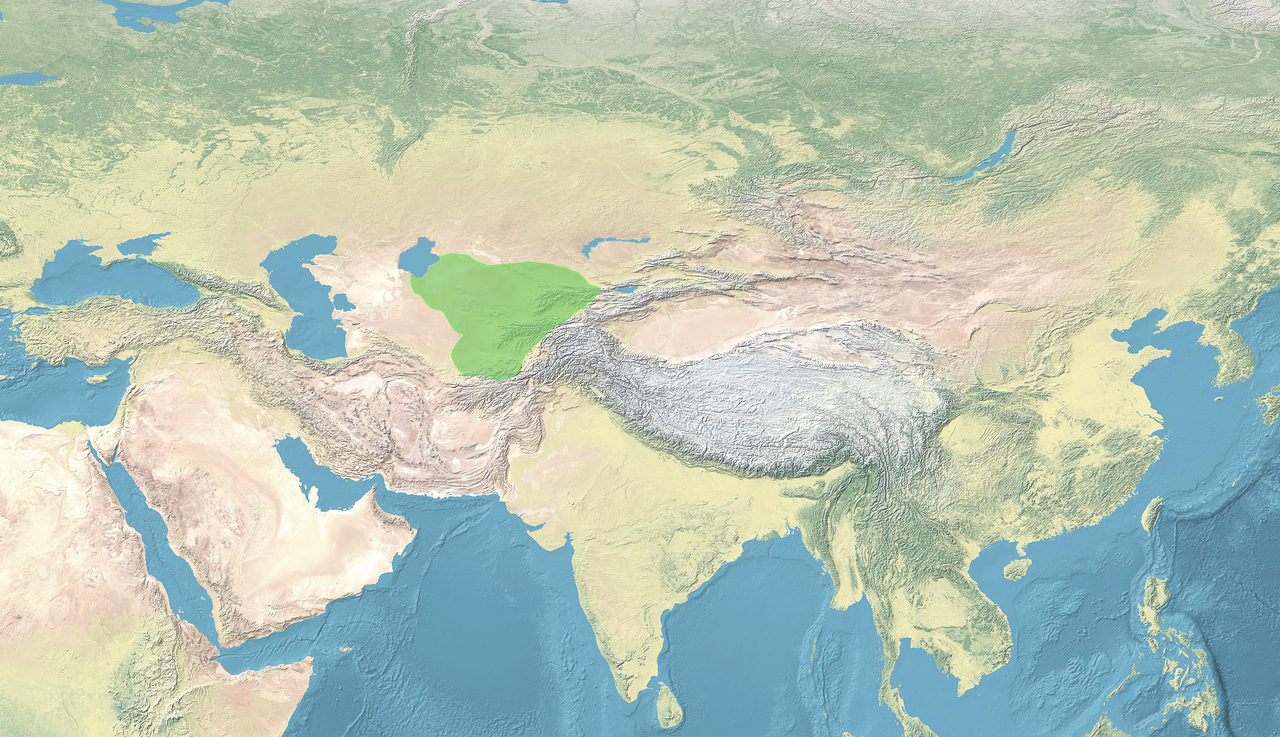
The Uzbek Khanate. The Uzbek Khanate was a powerful Turco-Mongol state that swept down from the northern steppes to violently conquer Central Asia in the early 16th century. Led by Muhammad Shaybani, these nomadic warriors completely destroyed the remnants of the Timurid Empire and seized wealthy cities like Samarkand and Bukhara. This state is historically significant because it permanently established the Uzbek ethnic presence in the region and forcefully reinforced strict Sunni Islam. Their conquests created a massive cultural and religious barrier between Central Asia and Safavid Persia.
The khanate grew incredibly wealthy by controlling the vital, heavily irrigated agricultural basins of the Amu Darya and Syr Darya rivers. However, the state suffered from constant internal power struggles among ambitious royal family members. By the late 16th century, the unified khanate fractured completely into three separate and highly competitive states, most notably the Khanates of Bukhara, Khiva, and Kokand. These smaller successor states constantly warred with one another, deeply weakening the entire region just as the Russian Empire began looking southward for imperial expansion.