 Go Back

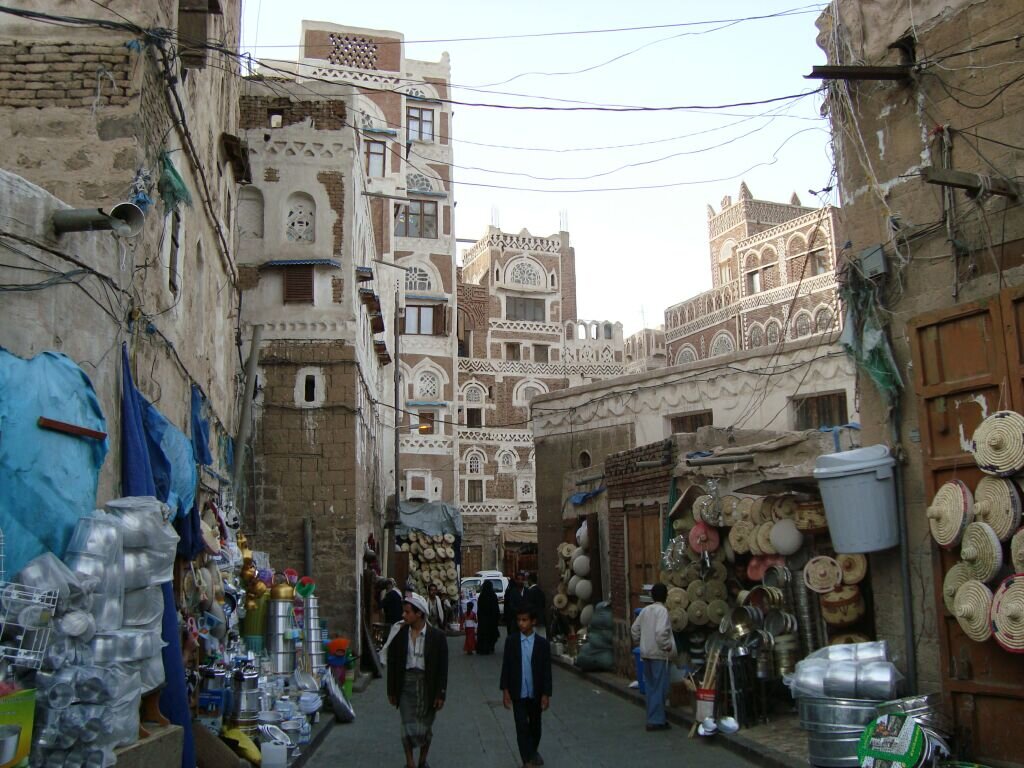
The Mutawakkilite Kingdom of Yemen. The Zaydi imamate of Yemen - one of Islam's longest-lived states - ruled the Yemeni highlands for three centuries, and in its last form, the Mutawakkilite Kingdom, survived into the modern age. The first Qasimi imam, al-Mansur al-Qasim, had raised the Zaydi tribes against the Ottomans in 1597, and his successors expelled them in 1635; thereafter the imams of the Qasim line - chosen, in Zaydi theory, by rising with the sword as learned descendants of the Prophet - ruled from Sanaa and the highland towns, in shifting contest with tribal shaykhs, the coastal powers, and after 1839 the British at Aden.
The Ottomans returned in 1872 and held the coasts and Sanaa for forty years against the imams' stubborn revolts, until Imam Yahya Hamid al-Din fought them to exhaustion and won recognition of his authority by the Treaty of Daan (1911). When the Ottoman Empire collapsed in 1918, Yahya re-established the imamate over all of highland Yemen, ruling from Sanaa as Mutawakkil ('relying on God') - a deliberately sealed kingdom: few roads, no banks, foreign contact minimal, Jewish craftsmen, qat afternoons and medieval governance preserved into the age of radio.
Yahya was assassinated in a failed 1948 coup, and his son Ahmad - poet, autocrat and survivor - reigned on, playing Egypt and the Saudis, joining and quitting Nasserist federations, while his son Badr courted the new Arab nationalism that would destroy them.
In September 1962, a week after Ahmad's death, army officers under Abdullah al-Sallal shelled the Imam's palace in Sanaa and proclaimed the Yemen Arab Republic. Imam Badr escaped to the hills and fought an eight-year civil war - Egyptian expeditionary force against Saudi-backed royalists - before the republic was confirmed in 1970. The imamate's fall ended Zaydi theocracy, but its legacy - highland tribal power and Zaydi identity - still shapes Yemen's wars.
 Britannica: Yemen
Britannica: Sanaa