 Go Back

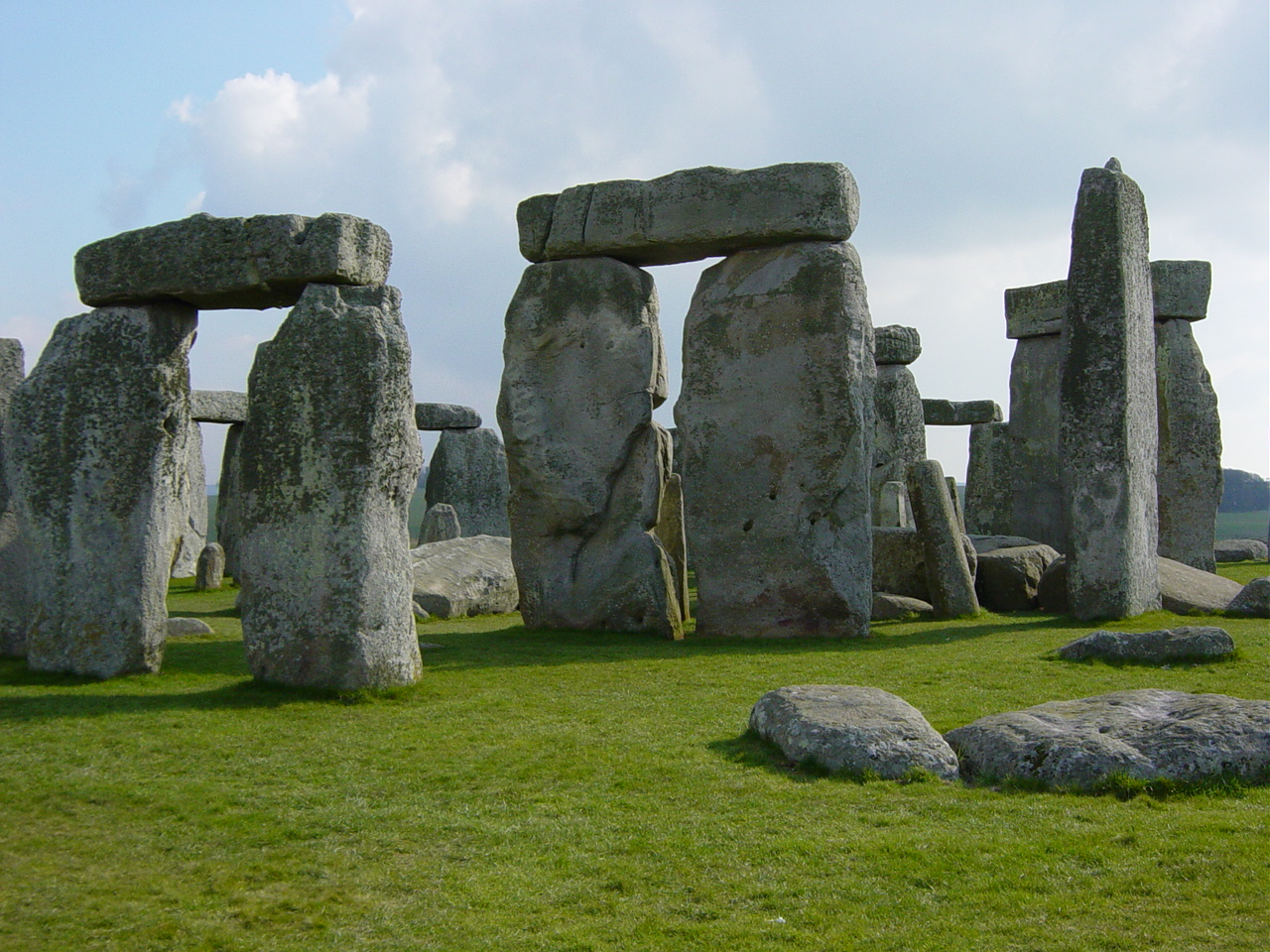
Ancient Britain. Ancient Britain's story is written not in books but in the ground - no pre-Roman Briton left a written word, so everything we know comes from archaeology and, increasingly, ancient DNA. Hunter-gatherers like 'Cheddar Man' (c. 8300 BC) held the island for millennia; then, around 4000 BC, farming arrived with migrants whose ancestors had come from Anatolia, and the Neolithic farmers who replaced them raised Britain's first great monuments: long barrows, stone circles, and Stonehenge itself (c. 3000-2500 BC).
The Bronze Age brought another wave: the Bell Beaker people, arriving around 2500-2400 BC, replaced over 90% of the earlier population - one of the most complete population turnovers known from ancient DNA - and brought metalworking and steppe ancestry to the island. Through it all, Britain was never cut off: Cornish tin, hunting dogs, and animal skins flowed out to Europe in trade, and ideas flowed back.
The Iron Age (from c. 750 BC) made Britain a land of farmers and hillforts. Iron ploughs opened new land, wheat farming flourished, and some 3,300 hillforts crowned the hilltops. Most Britons now spoke Brythonic, the ancestor of Welsh - whether we call them 'Celts' is debated, but their gold work, chariots, and tribal kingdoms were unmistakably part of the La Tene world. In the last centuries BC, Belgic tribes from Gaul crossed the Channel and settled the south.
Recorded history begins with Julius Caesar's expeditions of 55-54 BC; the full Roman conquest came in AD 43. But the ancient Britons did not disappear - their language survives today in Welsh, Cornish, and Breton, and their greatest monuments, Stonehenge above all, still stand where their builders raised them five thousand years ago.
 Britannica: Britain
 World History Encyclopedia: Ancient Britain
 BBC: History: British Prehistory
 British Museum: Ancient Britain