 Go Back

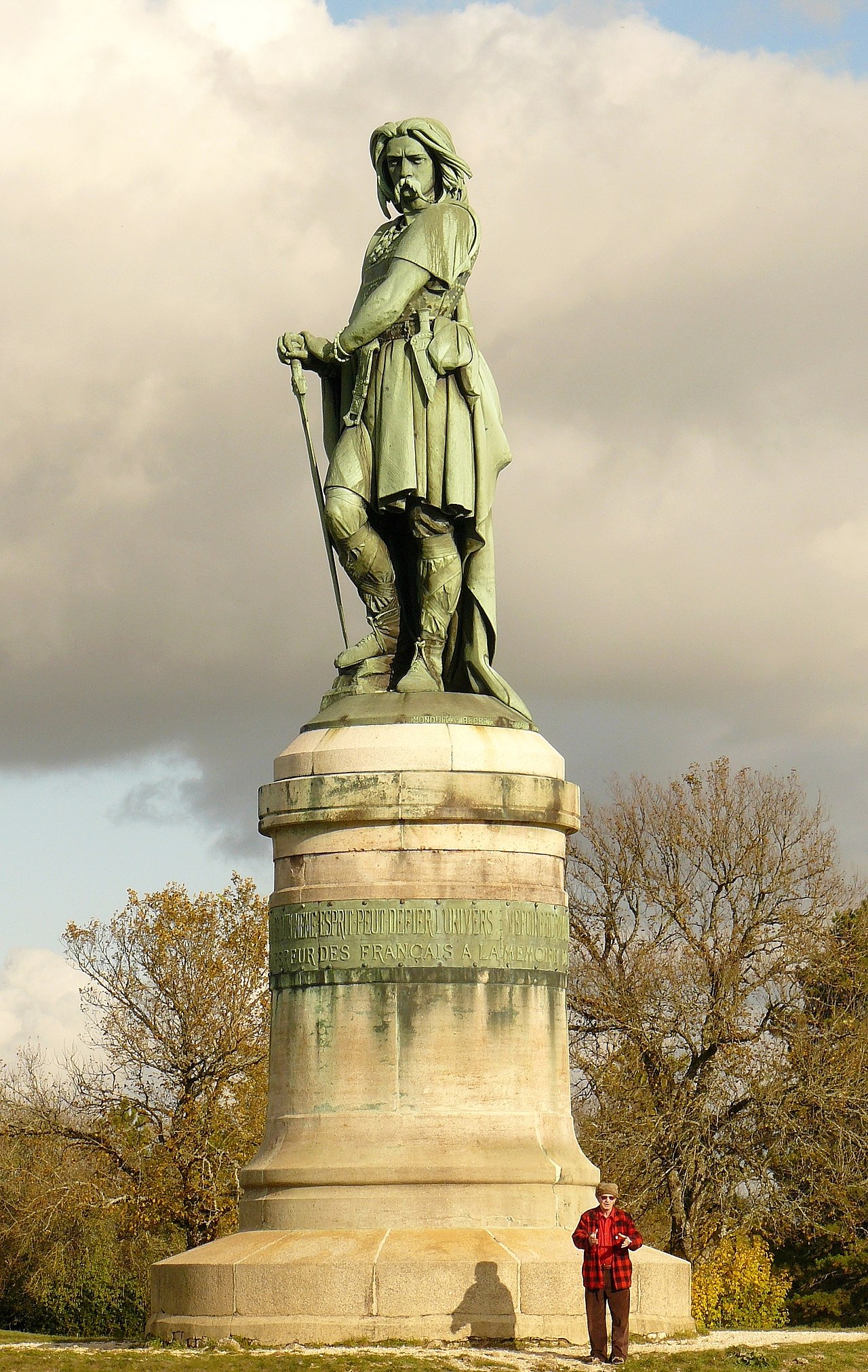
Celtic Gaul. Celtic Gaul was the land of the Gauls - the Celtic peoples who, in the centuries before Rome, dominated Western Europe from the Atlantic to the Rhine. Emerging with the La Tene culture around the 5th century BC, they spread over modern France, Belgium, Switzerland, and beyond, controlling the great river trade routes of the Rhone, Seine, Rhine, and Danube. Gaul was never a single state: it was a patchwork of dozens of tribes, each with its own chiefs, fortified towns (oppida like Bibracte), and coinage - sharing a language, a religion overseen by druids, and a warrior culture that made their name feared across the ancient world.
At their peak in the 4th and 3rd centuries BC, the Gauls exploded outward. They settled northern Italy and, under the war leader Brennus, crushed a Roman army and sacked Rome itself in 390 BC - a humiliation Rome never forgot. Others crossed into the Balkans, threatened Delphi in 278 BC, and finally settled in central Anatolia, where they became the Galatians of the New Testament.
The tide turned at Telamon in 225 BC, and a century later came the reckoning: Julius Caesar's Gallic Wars (58-50 BC). Tribe by tribe, Caesar subdued Gaul in eight brutal campaigns; the great coalition raised by the Arvernian chief Vercingetorix nearly stopped him, but broke at the siege of Alesia in 52 BC. Gaul became a Roman province - the conquest that made Caesar's career and, by Roman accounts, cost a million Gallic lives.
Yet Gaul did not vanish: it fused. Out of Roman rule grew the Gallo-Roman world - cities, roads, Latin, and law laid over Celtic tradition - and eventually the very identity of France. The Gauls' language died out centuries ago, but their name lives on in 'Gaul' itself, and their fierce independence still defines how France remembers its origins.
 Britannica: Transalpine Gaul
 World History Encyclopedia: Gaul
 Livius: Gaius Julius Caesar: Conquest of Gaul - Livius
 National Geographic: Who were the Celts?