 Go Back

The Hellenistic Kingdoms. When Alexander the Great died at Babylon in 323 BC, his generals tore his empire apart. Out of forty years of wars between these 'Successors' (the Diadochi) emerged the Hellenistic kingdoms - Greek-ruled states stretching from Greece to India: the Ptolemies in Egypt, the Seleucids in Asia, the Antigonids in Macedon, and later Pergamon, Greco-Bactria, and even an Indo-Greek kingdom on the Indus.
For three centuries these kingdoms made Greek the world's shared culture. Greeks emigrated by the hundreds of thousands to new cities named for kings - Alexandria, Antioch, Seleucia - and a common Greek dialect, Koine, became the lingua franca from Sicily to India, the language in which the Septuagint and later the New Testament would be written. Local cultures fused with Greek ones: Egyptian gods became Greco-Egyptian Serapis, and in Bactria Greek art met Buddhism.
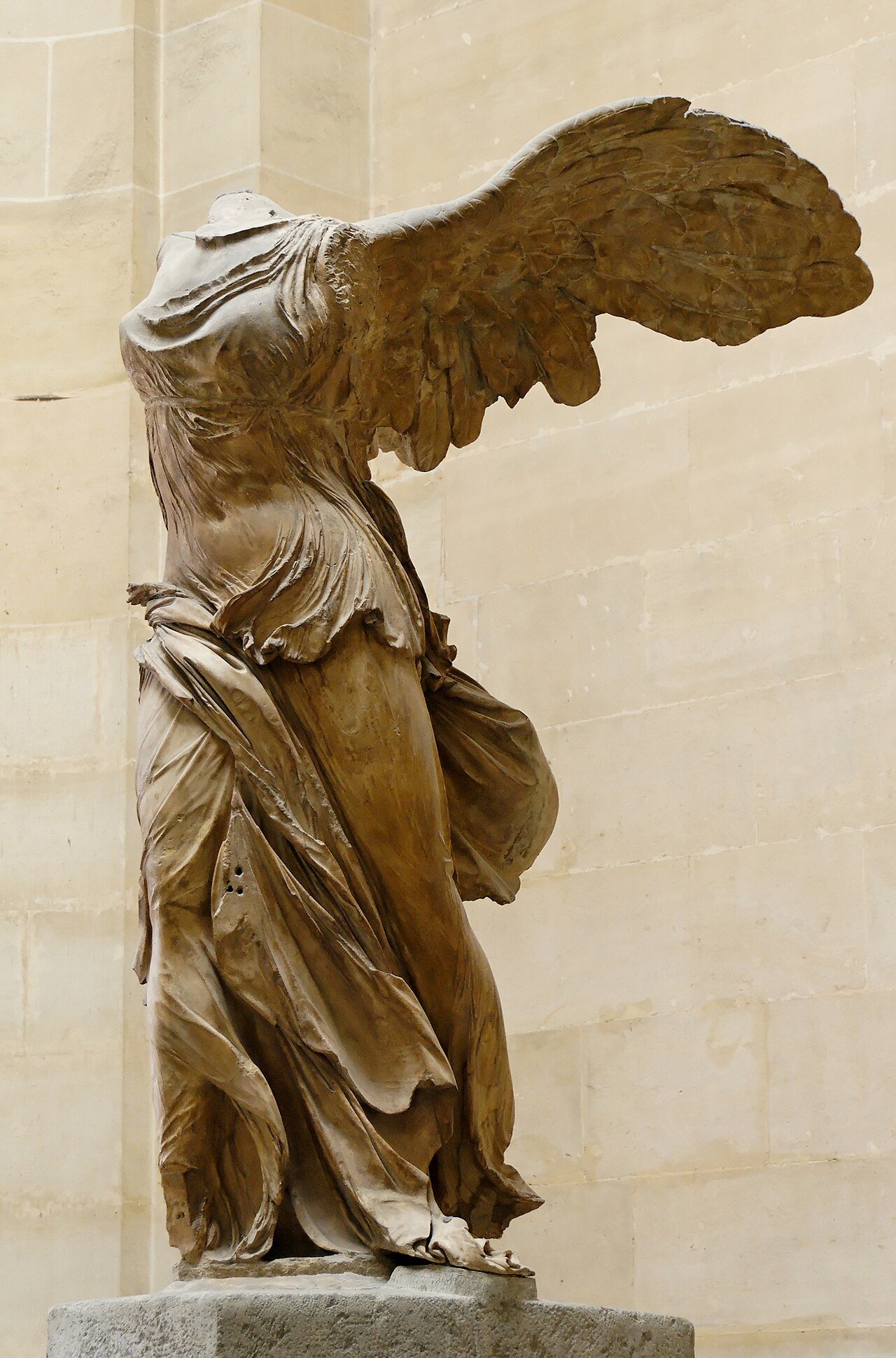
The Hellenistic age was also antiquity's greatest age of science and learning. Alexandria's Library and Museum drew the world's scholars: Euclid wrote his Elements and Archimedes his physics there. Its art - the Venus de Milo, the Dying Gaul, the Pergamon Altar - prized drama and emotion over classical calm, and its philosophies - Stoicism, Epicureanism - taught individuals how to live in a world too big for the old city-state.
The kingdoms fell one by one to Rome: Macedon and Greece by 146 BC, the Seleucid remnant soon after, and finally Cleopatra's Egypt after Actium in 31-30 BC, ending the Hellenistic age. But Greek culture did not fall: the Roman Empire itself ran partly in Greek, and the eastern half of Rome's world remained Greek for another thousand years - the Hellenistic world's longest afterlife.
 Britannica: Seleucid empire
 World History Encyclopedia: Hellenistic Period
 Humanities LibreTexts: 7.4: The Hellenistic Monarchies
 The Metropolitan Museum of Art: Pergamon and the Hellenistic Kingdoms of the Ancient World: Three Centuries of Greek Art from Alexander the Great to Cleopatra