 Go Back

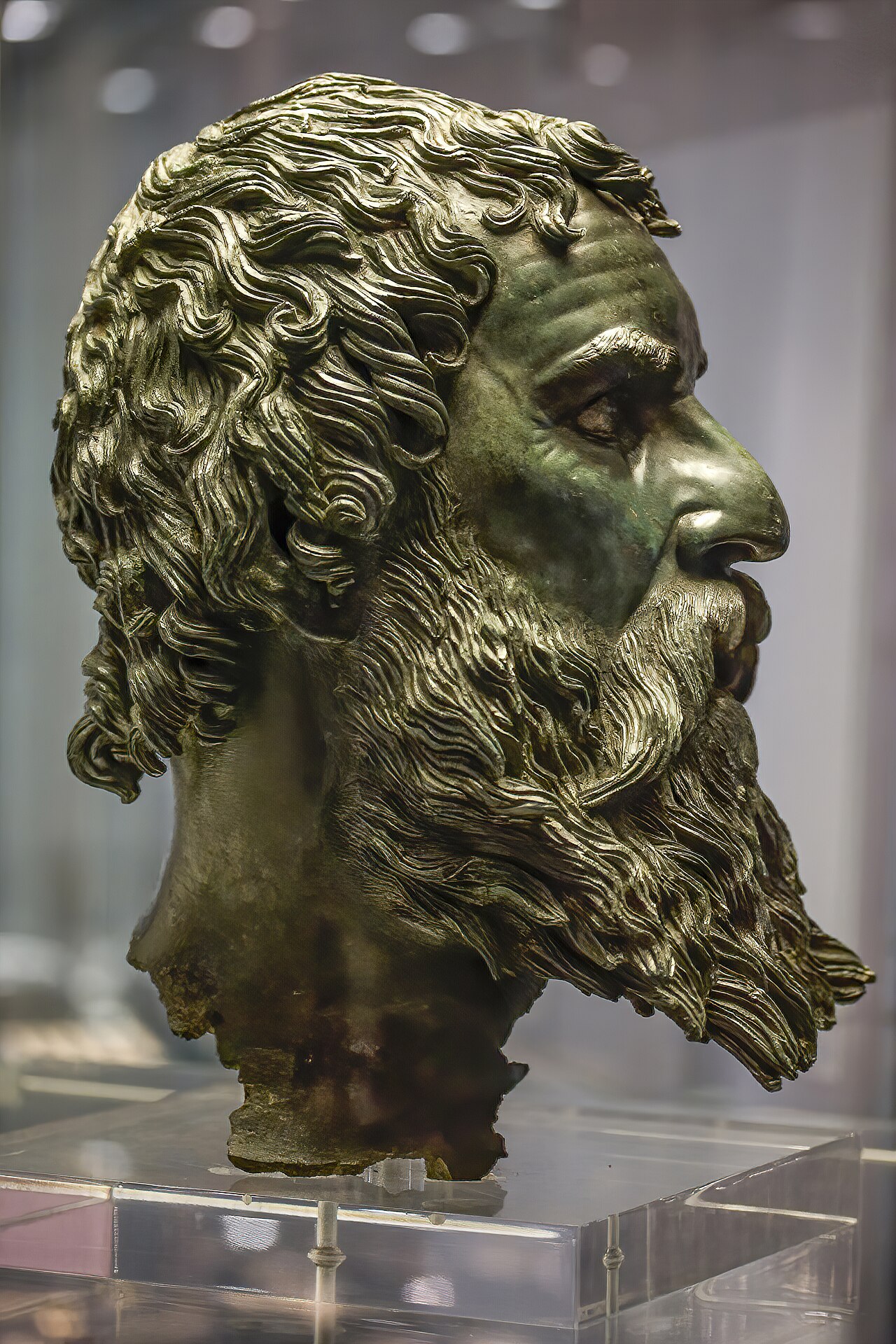
The Thracians. The Thracians were the ancient people of the southeastern Balkans - the lands of modern Bulgaria, northern Greece, and European Turkey - famed across the ancient world as fierce warriors, superb horsemen, and musicians, yet never united enough to found a lasting empire. Greek writers called them numerous and warlike, and Thracian horsemen were famous from Homer onward - the Iliad gives them King Rhesus and his snow-white horses. The cult of Orpheus, the legendary musician, flourished in their lands.
Thracian culture was old - flourishing from the Bronze Age - but politically the tribes stayed divided until the early 5th century BC, when King Teres I founded the Odrysian kingdom in the vacuum left by Persia's failed invasion of Greece. Under Teres and his son Sitalces it became one of the most powerful states of its day, allied with Athens in the Peloponnesian War; but after 400 BC it weakened, and around 340 BC Philip of Macedon absorbed it.
Thracian nobles went to their graves with their horses and chariots, to serve them in the afterlife - a custom their tombs still attest. And their treasures tell the story their lack of writing cannot: only four Thracian inscriptions survive, but the goldwork found in Bulgarian soil shows a rich, sophisticated aristocratic culture trading with Greece and Persia alike.
Rome swallowed Thrace slowly: from the mid-2nd century BC the region slid under Roman power, and in AD 45-46 the last client kingdom became the province of Thracia. The Thracians Romanized and disappeared as a distinct people - but they had already given the ancient world two of its most famous rebels and heroes, and the Bulgarians, Greeks, and Turks of today walk on their tombs.
 Britannica: Thracian
 World History Encyclopedia: Thracian Art
 Livius: Thracians - Livius
 National Geographic: This 2,400-year-old royal tomb was found by accident during WWII